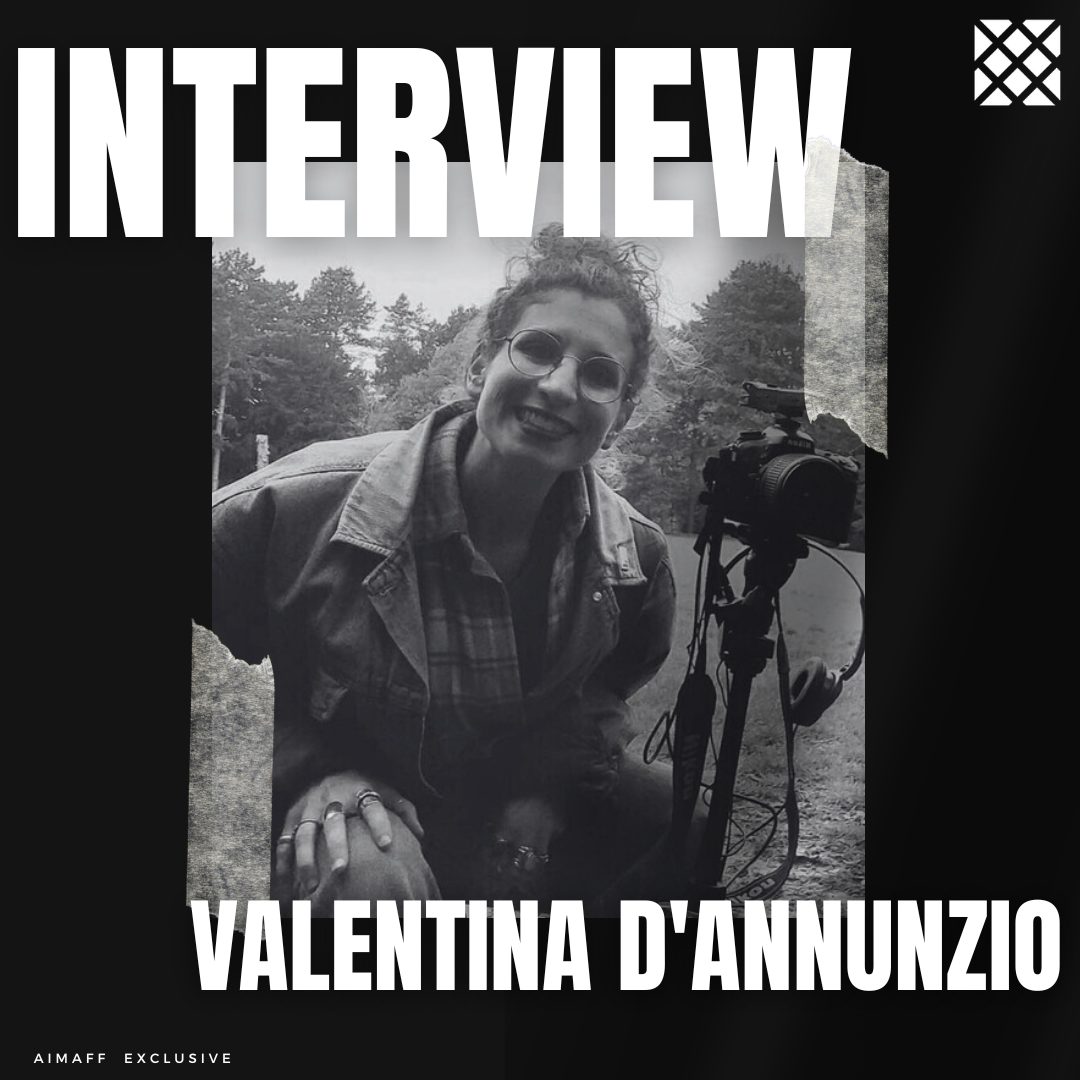
Portrait of a Storyteller: Valentina D’Annunzio
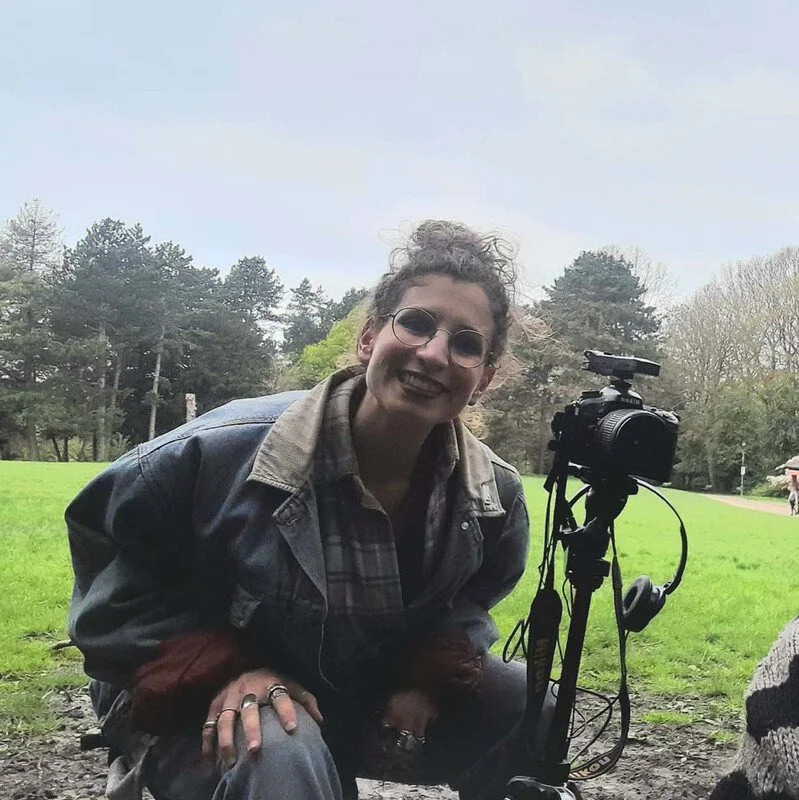
Welcome Valentina, we are very excited to have you today with us to discuss about your work.
Who is Valentina D’Annunzio and how did the passion for creating begin?
I’m an independent documentary filmmaker drawn to portraying people’s stories and the unique ways they see the world. I believe everyone carries a universe within them—shaped by beliefs, experiences, cultures, and ways of living—and that every point of view holds value. For me, filmmaking is a way to immerse myself in someone else’s reality and translate their vision through the art of documentary. Spirituality is a core part of my life and has naturally become integrated into my work.
I can’t pinpoint a single moment when I began creating; it feels like something that has always been part of me. My dad encouraged my creativity from childhood, giving me space to draw, paint, and explore. I went on to study in an Art School and later earned a Bachelor’s Degree in Visual Communication, where my passion for video creation and editing truly began. Moving from a small city to London awakened something new—its diversity of faces, cultures, and stories felt like an endless source of inspiration. My fascination for people intensified, and travelling with my husband opened even more worlds. At some point, my two great loves—film and human stories—naturally merged, and I realised I was meant to make documentaries.
Can you tell us a bit about your previous work?
My first short documentary was created more than ten years ago, without knowing it would become the path I’d follow later in life. Editing has always been my main passion; I’m fascinated by how it can breathe life into images and reveal emotions. In the beginning, because I had nothing to edit, I carried a camera during my travels just to capture footage. This led to a series of short documentary “portraits” called I Woke Up In…, each one a small homage to a place, its people, and its culture. The series is still ongoing.
Around five years ago, my curiosity for people and their stories grew into a desire to document their realities. I began filming friends whose life experiences moved me deeply. Story of a Stray Fox follows my musician friend Anthony, who had recently come out of homelessness and rebuilt his life through music (and an angel). Tales of a Space Pirate Coming from the Moon portrays my friend Daniela, who sees the world through a magical lens. It felt beautifully meaningful to realise that my very first documentary—An Extraordinary Place, about a blind man and how he perceives the world—was the seed of everything I’m doing today.
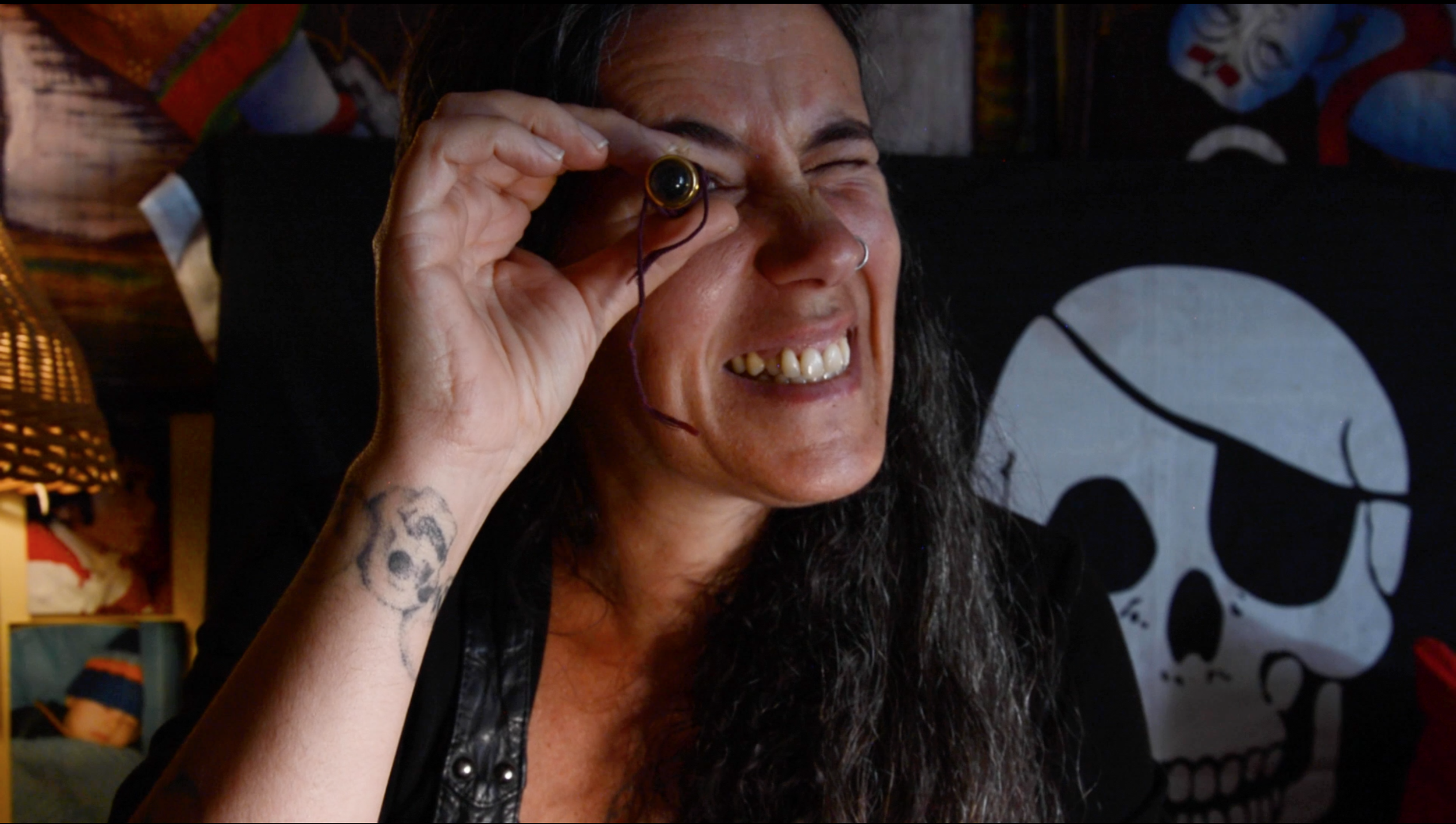
What drew you to Daniela’s story, and what makes her reality worth exploring on screen?
Daniela is a dear friend who brought magic into my life long before I realised I was spiritual. She carries an inner childlike spark—joyful, free, unfiltered in her wonder for life—while being a devoted mother and a deeply intuitive woman. Spending time with her felt like stepping into a fairytale: she runs through forests searching for fairies, hides behind trees, climbs them, and sees magic in ordinary moments.
When I decided to make a documentary about her, I went to her house simply intending to ask, “Why are you a pirate? Tell me your story!”—because she first introduced herself to me as a pirate and still identifies as one. Instead, I entered a world of extraordinary stories and supernatural experiences from her life. I hadn’t expected any of it, and every word surprised and fascinated me. Something inside told me this magical afternoon needed to be recreated for others to witness as well.
I followed that intuition, she trusted me, and we recorded what became Tales of a Space Pirate Coming from the Moon. I never anticipated the response it would have, but I’m grateful that her honesty, magic, and courage reached so many people.
CONVERSATION ABOUT: '‘Tales of a Space Pirate Coming from the Moon.''
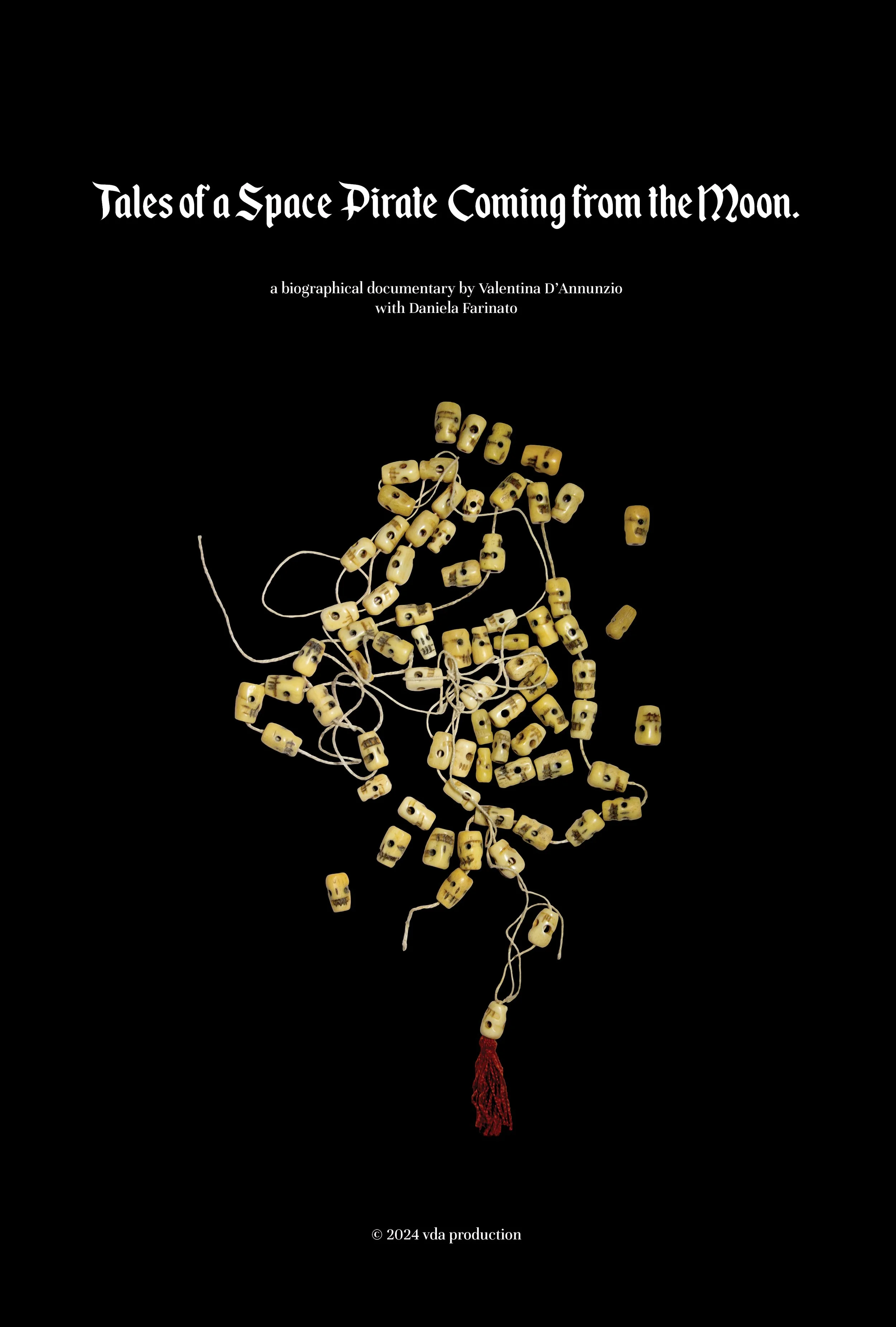
Do you see this project as pushing the boundaries of what a documentary can be?
I don’t think it pushes boundaries—I believe it stays true to what documentary is: a film that captures real experiences, told in a raw and unscripted way. What I portrayed is simply a friend sharing her life stories. Yes, some of them may sound supernatural, but they truly happened in her reality. My role was to give her space to express her world and allow the audience to listen openly.
I admit I still feel slightly uncomfortable calling it a documentary about “supernatural” events, because to me, all of this is natural—we just don’t speak about it often enough, so it sounds extraordinary. Magic is simple and ever-present. Miracles occur daily. When we align with ourselves and remain open, we realise that reality stretches far beyond what we can imagine.
This film isn’t trying to redefine documentary—it simply portrays a reality that many people live quietly. Maybe the boundaries it challenges are the ones within us: the limits of what we consider possible. And that, to me, is the beauty of storytelling.
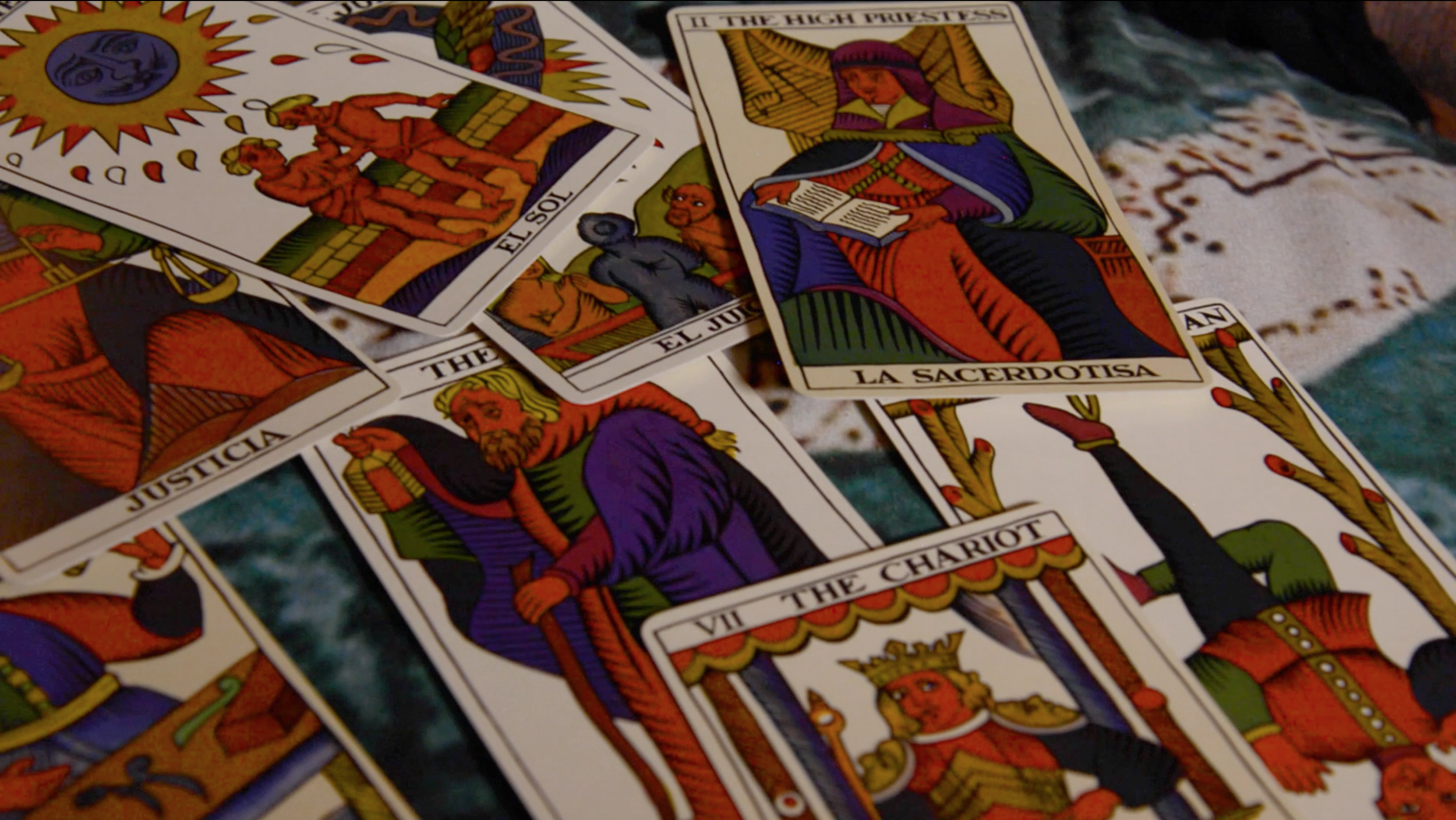
Are audiences hungry for this kind of imaginative, spiritual storytelling?
Absolutely—and the film’s premiere confirmed it for me. When we reconnect with the imagination and magic hidden inside us, we remember the thread that unites us. We are all one, and our collective consciousness is where magic resides.
Whether or not someone identifies as spiritual, it is part of who we are—we are both spirit and body. When one person embraces their spiritual side openly, it gives others permission to rediscover theirs. After the screening, people shared stories, emotions, and experiences with me that made me realise how needed these conversations are. Many told me the film helped them feel less alone.
I now see that people crave stories that remind them of wonder, connection, and meaning. Fairies exist, magic is simple, and miracles happen every day—we just need to stay open, listen to ourselves, and keep our inner child alive. The world is far more magical than we often allow ourselves to believe.
How do you visually represent dreams or visions without cliché?
I believe that not showing something can allow people to imagine it more deeply. That’s why I often chose absence over illustration—using words and sound to create space for the audience’s own imagination. Sound and language are powerful tools; they place images directly into our subconscious.
During editing, I focused on balancing when to show an image and when not to. For real places or deities, I provided visual references—like Stonehenge or the goddess Kali—so viewers could understand the context. But for Daniela’s visions, dreams, or deeply personal encounters, I left the imagery to the audience. For example, during her Stonehenge experience, I showed the location but not her vision of the giant or the aliens—it felt too intimate and specific to impose a fixed image. For her vision at the Tor in Glastonbury, I paired images of the Tor with only the sounds of chains and fire, letting the mind fill in the rest.
My main influence came from an earlier study I did on sound’s ability to create imagery, as well as the documentary El Sicario by Gianfranco Rosi, which taught me that simplicity and rawness are powerful. Imperfections can be authentic, emotional, and real—emotion is always my first criterion for a cut.
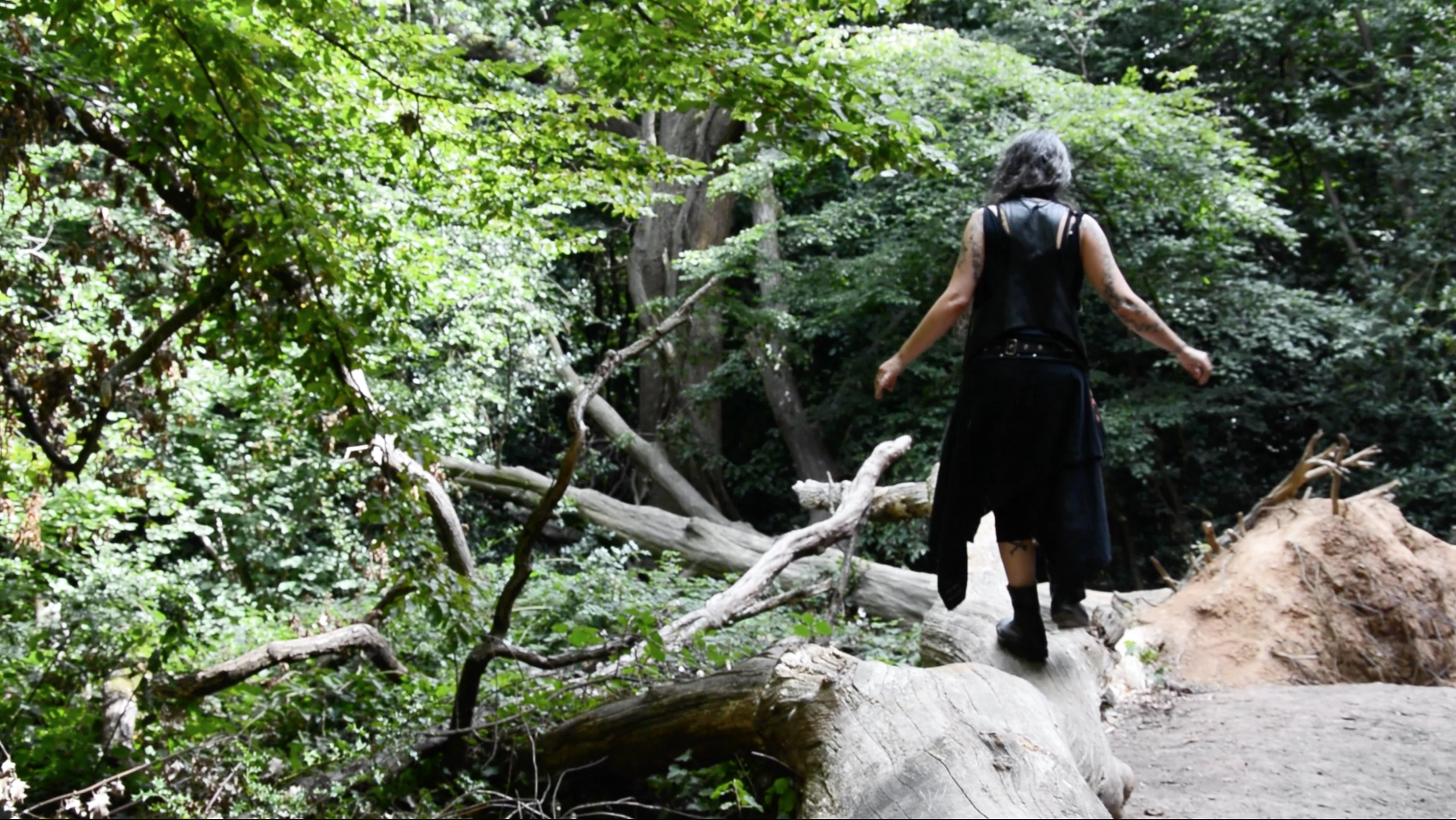
What conversations do you hope the film sparks?
My work is rooted in the belief that seeing the world through someone else’s eyes enriches our own. With this film, I had no expectations—I was actually worried about criticism. Instead, I received messages filled with gratitude, recognition, and emotional connection. The conversations that unfolded have surprised and deeply touched me.
If the film continues to open spiritual discussions, help people feel less alone, or inspire someone to reconnect with a forgotten part of themselves, I’ll be incredibly grateful. I hope it invites viewers to explore curiosity, magic, and alternative ways of seeing the world—even if only for a moment.
This film is niche, yes, but I believe that those who find it are meant to see it. I like to think of it as a beacon for a “magical tribe” that may not know yet how many they are. The conversations it creates—big or small—are part of that magic.
In future projects, do you plan to explore similar genre intersections, or are there other genres you're eager to explore ?
Yes. After the film’s premiere, I realised how needed these stories are and felt a very clear spiritual call toward what comes next. A friend told me, “spiritual people are often alone,” and it shocked me. Because I work in a spiritual shop, I’m surrounded by magical and intuitive people every day—I never realised how lonely others feel without a safe space to speak about these things.
That conversation shifted something in me. I suddenly understood that I’m in a unique position: I know many spiritual people, I have the tools to film and edit, and I feel guided to give these stories a voice. So I’m following that call fully.
I’m now working on a Trilogy of Magick—a series of three medium-length documentaries about three individuals deeply connected to magic. They don’t know each other, yet their stories are mysteriously interlinked. The connections forming between them feel divinely orchestrated; the way each film leads to the next is something I could never have planned. I feel guided, protected, and carried by something higher.
I’m surrendering to this process completely. It has been the most magical creative journey of my life, and I cannot wait for the world to experience it.
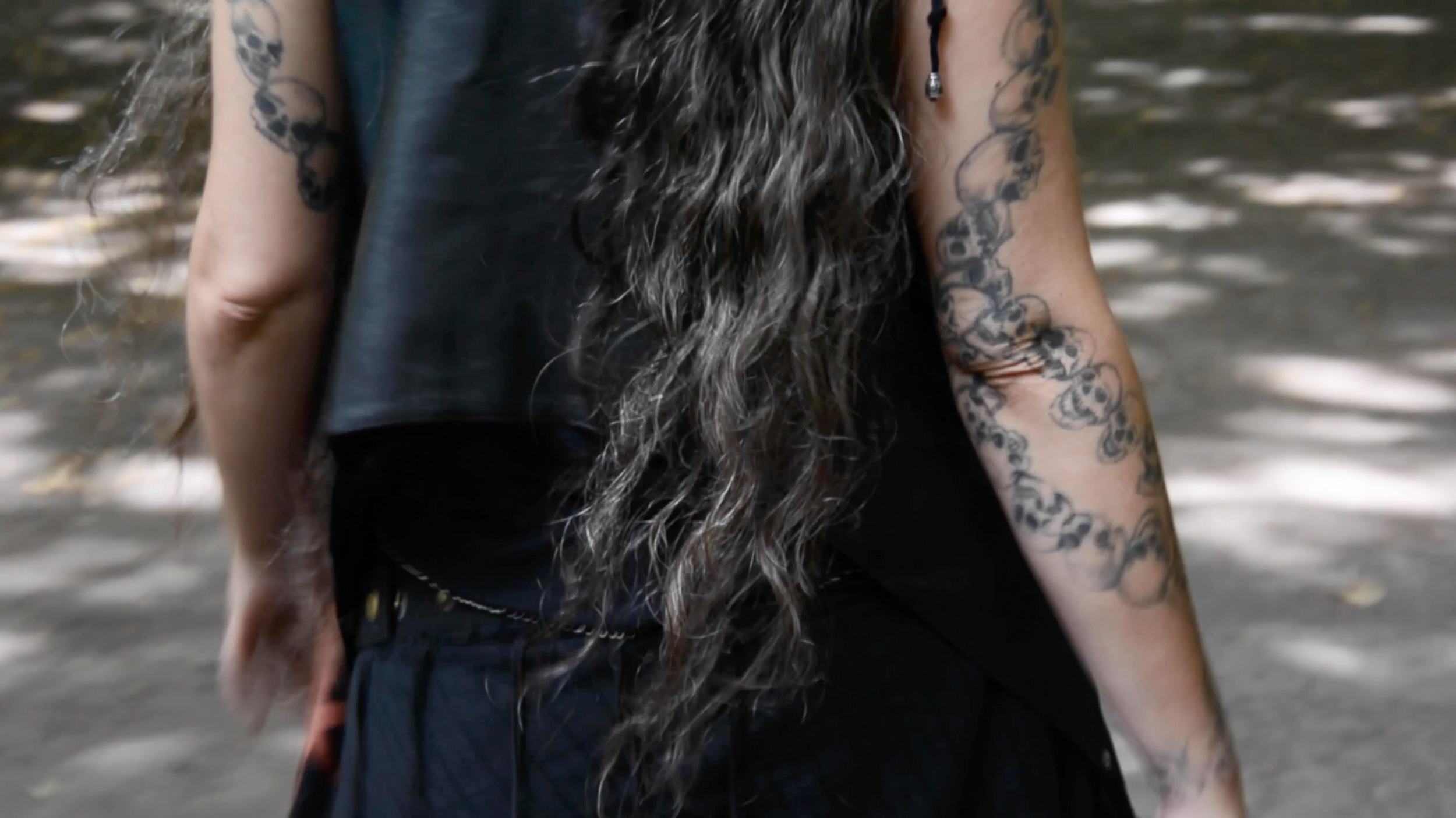
If you could sum up the film’s core question in one sentence, what would it be?
Everything you can imagine is real—and if you believe in magic, fairies, or the unseen but have always felt alone in it, this film will remind you that you’re not alone at all.