Bruce Wabbit Paints a Portrait of Urban Anxiety
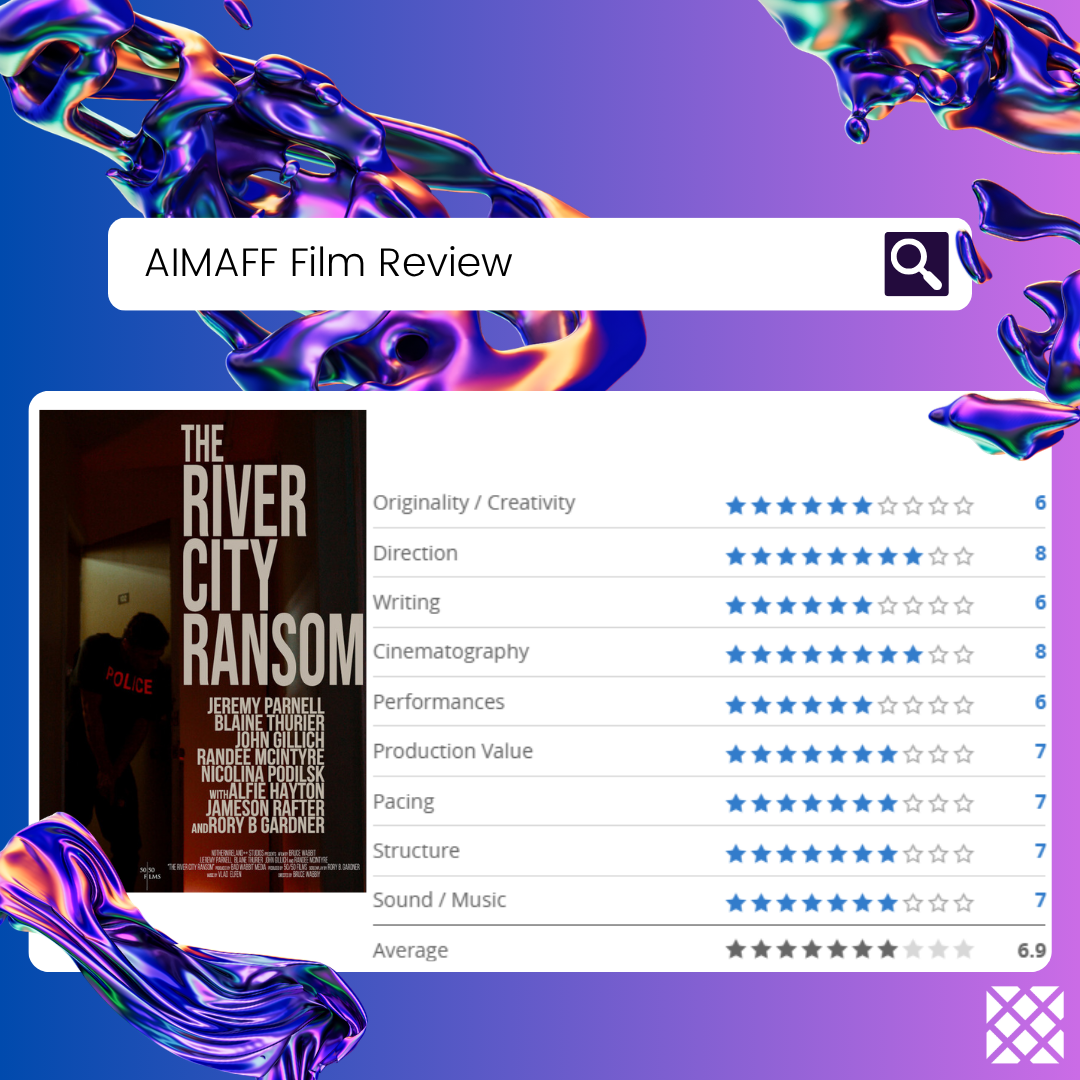
Cities have a way of hiding their fractures. The streetlights stay on, traffic keeps moving, people go to work but underneath, pressure builds. Quietly. Relentlessly. The River City Ransom, directed by Bruce Wabbit, taps into that tension, delivering a gritty crime thriller that feels less concerned with who committed the crime and more interested in what kind of environment creates it.
The story begins with a disappearance. A police officer vanishes while responding to a distress call in one of the city's most volatile zones, leaving his former partner to piece together what happened. It's a familiar setup on paper, but Wabbit approaches it from a different angle.
One of the film's strongest weapons is its visual confidence. Wabbit, whose background includes visual effects work on major productions, clearly understands the power of composition. Frames are carefully constructed, often using architecture and negative space to make characters appear isolated within their own city. Particularly effective is the use of split-screen techniques, a bold directorial choice that injects energy into the investigation while allowing multiple perspectives to coexist simultaneously. It's a stylistic gamble that pays off.
The cinematography is equally impressive. Muted colors and carefully controlled grading create an atmosphere that feels worn-in and authentic, while the editing keeps the mystery moving with purpose. Combined with a strong sound design that subtly amplifies tension rather than announcing it, the film develops a steady pulse that carries the audience through its darker corners.
Beneath the missing-person case lies a broader reflection on economic instability and social pressure.How much strain can individuals absorb before something breaks?
Not every element lands with equal force. Some performances lack the emotional weight needed to elevate key moments, occasionally preventing dramatic scenes from reaching their full potential. Likewise, the pacing briefly loses momentum in the middle stretch, lingering a little longer than necessary before regaining its footing.
Still, these are relatively minor shortcomings in a film that consistently demonstrates ambition and craftsmanship. The visual storytelling remains compelling throughout, and Wabbit's willingness to experiment separates the project from more conventional indie crime dramas.
In many ways, The River City Ransom feels like a city itself rough around the edges, occasionally uneven, but full of character and hidden details worth discovering.