The Strange Calm of Bhandari’s Visualizing Hope
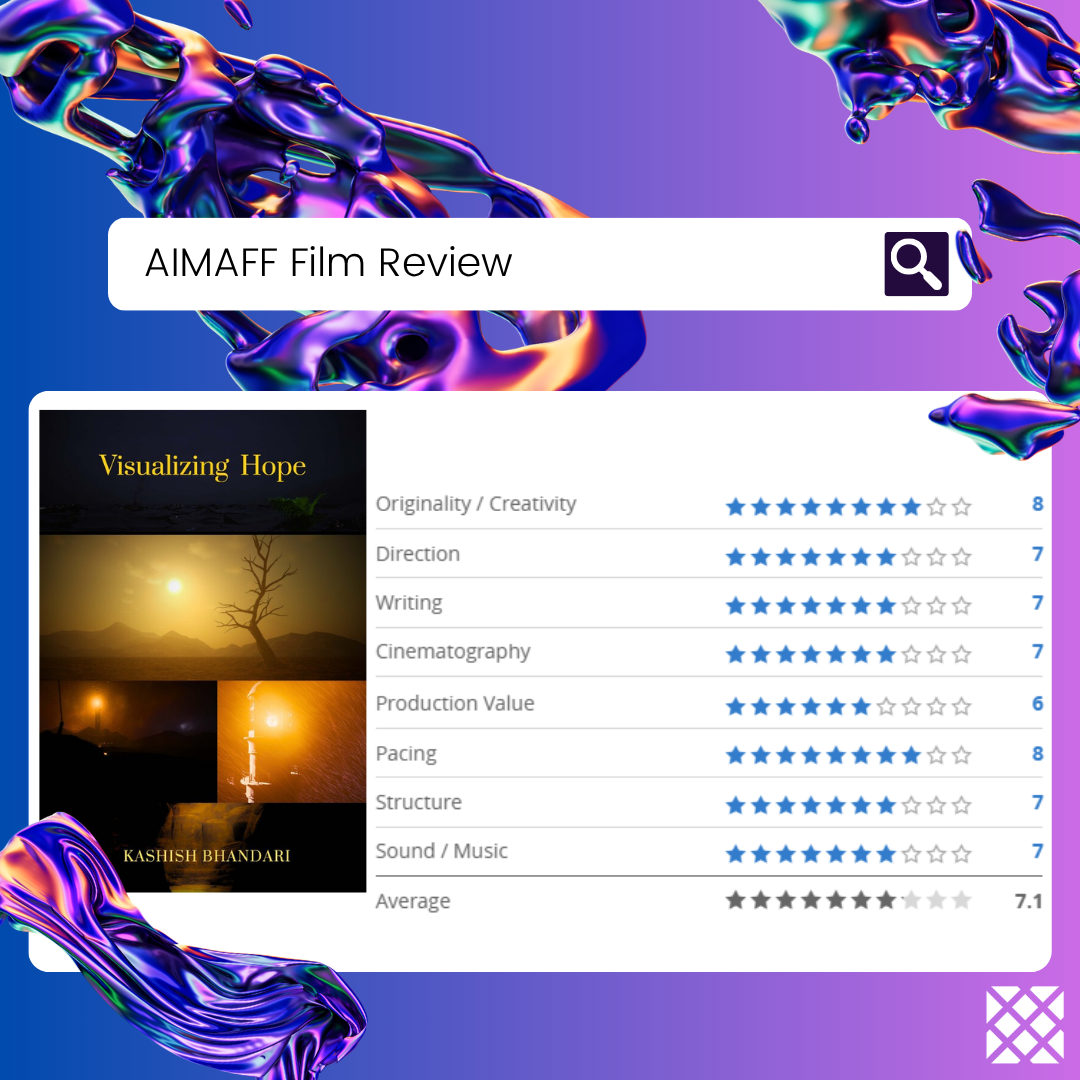
There are films that tell stories, and then there are films that suggest them whispering rather than declaring, inviting rather than insisting. Visualizing Hope, the experimental animated short by Kashish Bhandari, belongs firmly in the latter category. It doesn’t hold your hand and It doesn’t explain itself.
Rather than following a conventional plot, Bhandari constructs a sensory experience an atmospheric drift through abstract imagery and emotional suggestion. Shapes dissolve, textures breathe, and colors seem to carry intention. The result is something closer to a moving painting than a traditional short film, existing comfortably within the space of video art.
For a debut animation, the level of visual polish is striking. The textures, in particular, feel tactile, almost touchable, as if each frame has been sculpted rather than rendered. There’s a quiet confidence in the film’s aesthetic language nothing feels accidental. Every visual choice appears to serve a symbolic purpose, though the meaning remains just out of reach, like a half-remembered dream.
The soundscape plays an equally vital role. Music and sound design don’t simply accompany the visuals. There’s a rhythmic conversation between what we see and what we hear, creating a meditative flow that carries the viewer forward. At times, it feels as though the audio is the film’s true narrator, speaking in tones instead of words.
And yet, this is where Visualizing Hope may divide its audience. Its strength, its abstraction is also its barrier. For some, the lack of a clear narrative or concrete meaning may feel alienating. The symbolism, while powerful, is deliberately opaque. One might ask: is the film offering hope, or merely the idea of it?
But perhaps that ambiguity is the point.
Bhandari isn’t interested in delivering answers. Instead, the film becomes a mirror, reflecting whatever the viewer brings into it.
It’s an art piece, a mood, a question mark suspended in motion. Not everyone will connect with it but those who do may find themselves lingering in its afterglow, searching for meaning long after the final frame fades.