Dancing Inside the Canvas: Sylvie Kay’s VERTIGO
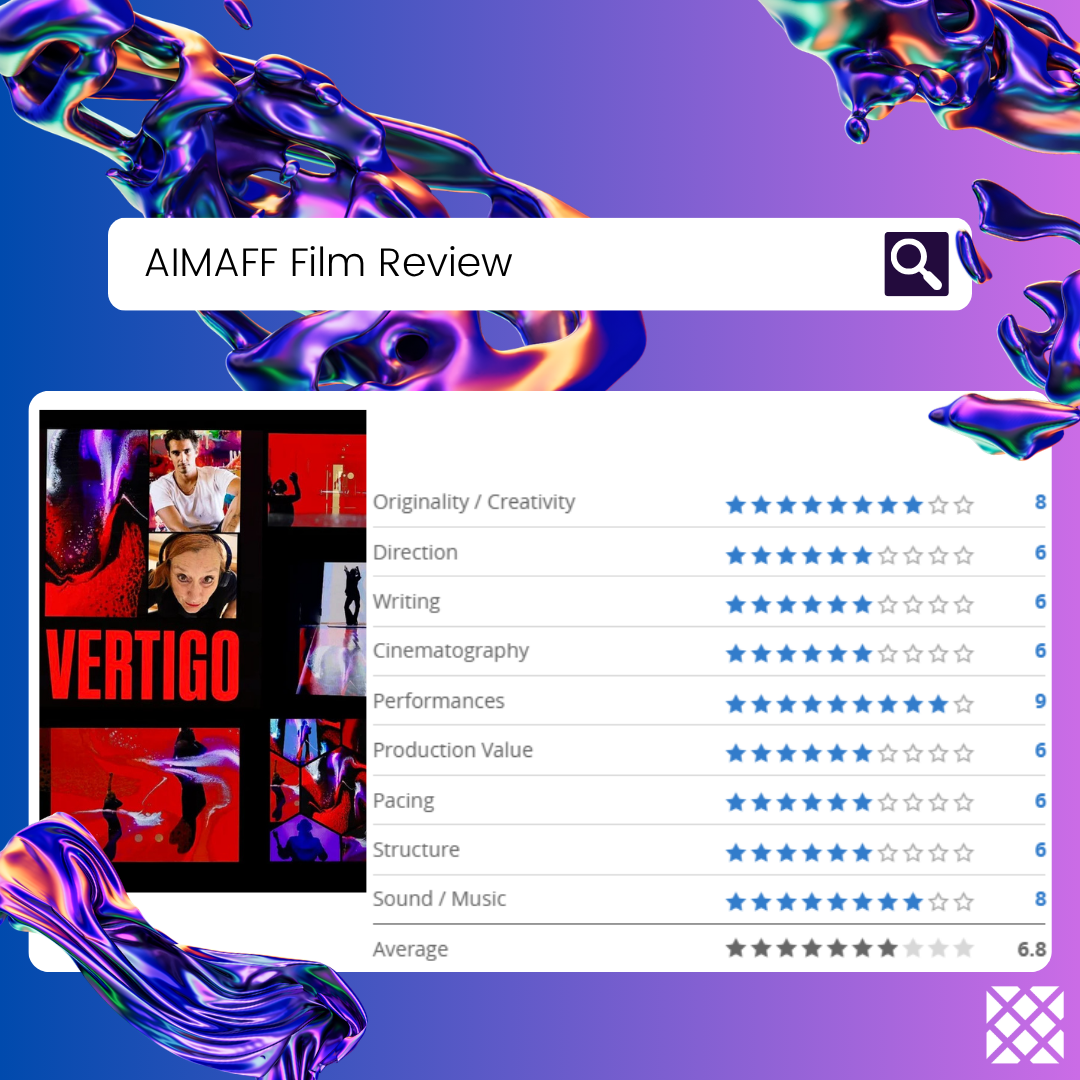
VERTIGO, the experimental art project from Sylvie Kay pulls the viewer into a swirling collision of dance, painting, music, and emotion. Narrative becomes secondary here. Mood is the language. Movement is the dialogue.
Following her earlier works SILK and SLY, Sylvie Kay creates what she describes as a “Hymn to Life,” though the film often feels closer to stepping inside a living canvas.
What makes VERTIGO compelling is its fearless devotion to experimentation. Sylvie Kay approaches cinema less like a director and more like a conductor orchestrating sensation. Her background in dance and choreography is evident in every gesture and every carefully fractured movement. At times, she appears almost ghostlike a chiaroscuro figure drifting between darkness and neon, simultaneously fragile and defiant.
The sound design and music become essential to the film’s hypnotic atmosphere. Composer Igor Dvorkin delivers a score that feels alive, shifting between tenderness and chaos with remarkable fluidity. Combined with the film’s textured visual effects and unapologetic indie DIY spirit, VERTIGO often achieves moments of genuine visual poetry.
There’s also something refreshing about how unpolished the film allows itself to be. In an era where independent cinema often strains for artificial perfection, Sylvie Kay embraces instinct and raw creativity instead. The film feels handmade in the best possible sense personal, risky, and deeply committed to its artistic identity.
That said, VERTIGO occasionally becomes trapped within its own hypnotic rhythm. The pacing can feel repetitive, lingering too long on certain visual motifs without always pushing them into new emotional territory.
But perhaps that’s the point. Vertigo itself is disorientation. Repetition. The sensation of spinning while standing still.
Whether one views it as dance cinema, video art, or experimental performance piece, VERTIGO refuses to sit comfortably inside labels. It’s strange, excessive, beautiful, and at times frustratingly indulgent.
And honestly, that kind of artistic risk feels increasingly rare.