Kurt Grech’s Second Chance Carries the Weight of Judgment
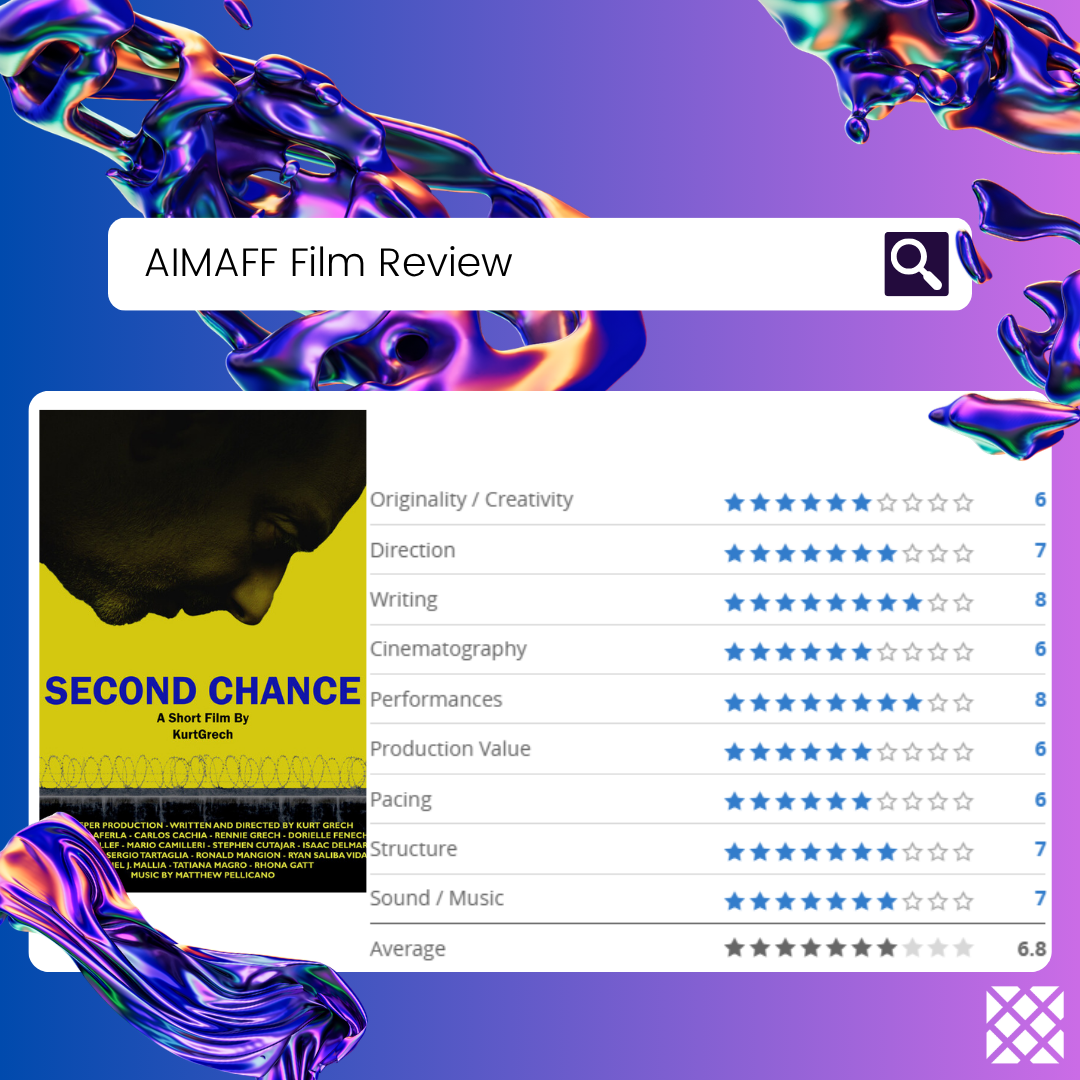
There’s something quietly admirable about watching a filmmaker grow in real time. Having followed his earlier works Il-Logħba and Identity, this latest effort feels more focused, more emotionally grounded, and noticeably more confident behind the camera. The rough edges are still there, yes, but so is the passion. And sometimes passion leaves a stronger bruise than perfection ever could.
The premise cuts straight into uncomfortable territory. Jason, released after serving 30 years in prison for double murder, steps back into society only to discover that freedom and acceptance are two very different things.
What gives Second Chance its emotional pull is sincerity. Grech approaches the material with empathy rather than sensationalism, avoiding the clichés many redemption dramas fall into. Jason is neither glorified nor demonized. He simply exists a fractured man trying to breathe in spaces where judgment arrives before conversation. That grounded humanity becomes the film’s strongest weapon.
Technically, there’s visible growth in Grech’s direction. The framing feels far more deliberate compared to his previous projects, with several compositions carrying a surprisingly cinematic weight. The sound design is also effective, adding texture and emotional tension without becoming intrusive. And hearing the Maltese language used so naturally on screen gives the film a distinct identity rarely explored in independent cinema.
At the same time, the film’s indie limitations remain noticeable. The pacing occasionally drifts, particularly in quieter stretches where scenes linger longer than necessary. Visually, the color grading feels somewhat flat, and parts of the production design reveal the modest scale of the project a little too clearly.
Still, Second Chance succeeds because it understands something many larger productions forget: emotional honesty matters more than polish. Beneath its imperfections lies a filmmaker genuinely wrestling with ideas of forgiveness, isolation, and whether people are truly allowed to change or merely punished forever for who they once were.