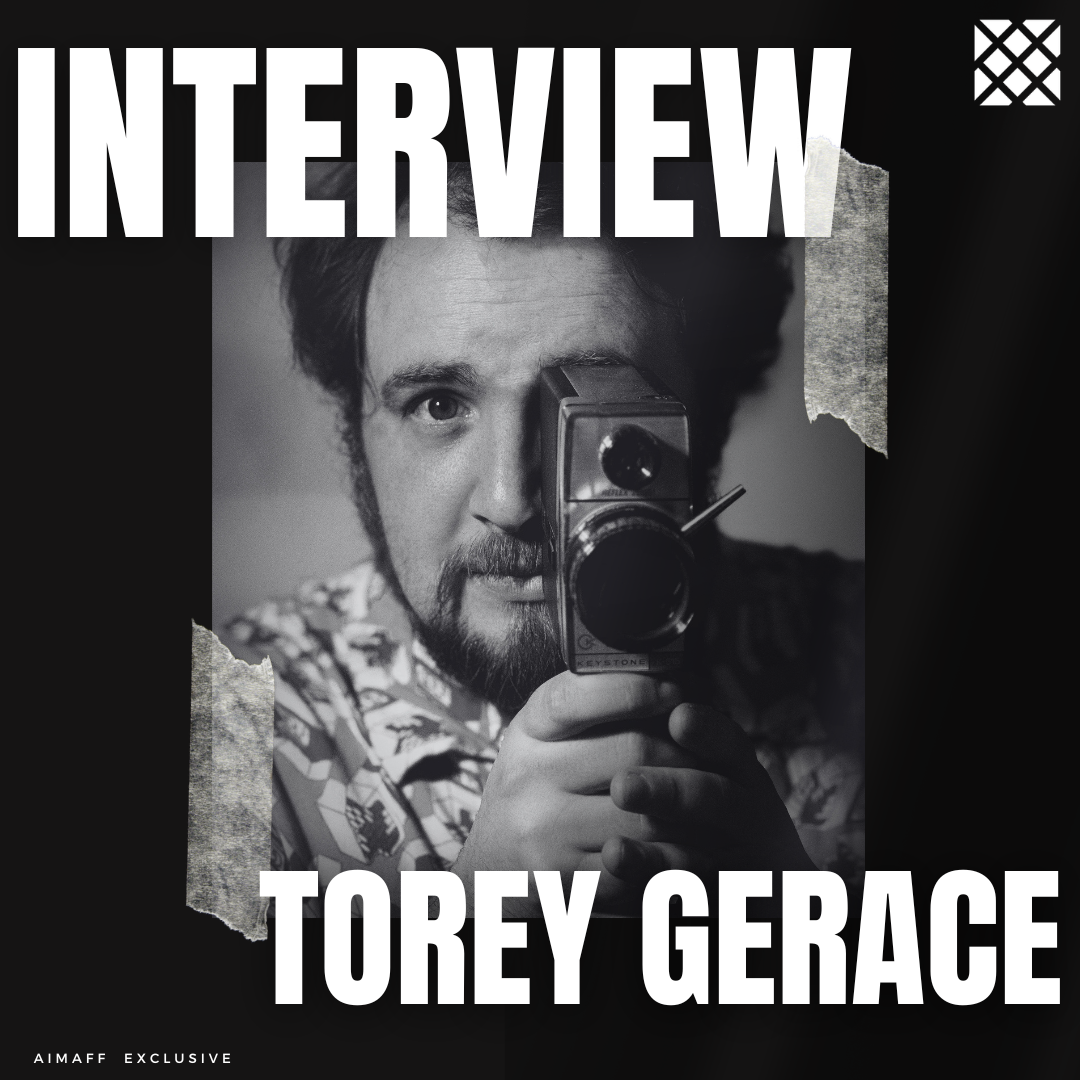
Welcome Torey, we are very excited to have you today with us to discuss about your work.
Who is Torey Gerace and how did the passion for creating begin?
I’m a filmmaker based in Orange County, California, and the founder of TAG Movie Productions. My passion began in childhood. Every Friday night, my family would spend hours renting films from local Hollywood Videos. Those early experiences sparked a desire not just to watch movies, but to create films that could move, challenge, or inspire people. That realization set me on a path to becoming a filmmaker, with the goal of making films that resonate emotion through human experiences and past traumas.
Can you tell us a bit about your previous work?
My career began with smaller college projects, many of which remain unreleased, but my first project was Between Two Houses (2016). After a 4 year break, I wanted to do more experimental shorts such as Stare. (2020), which marked a new direction I wanted to focus on. Since then, I’ve produced several short films under the TAG Movie Productions banner and directed a few shorts including Pour Your Heart Out (2022) and my latest project, You’re Perfect (2026). Every project I take on has allowed me to go further and explore the human conditions through different cinematic lenses.
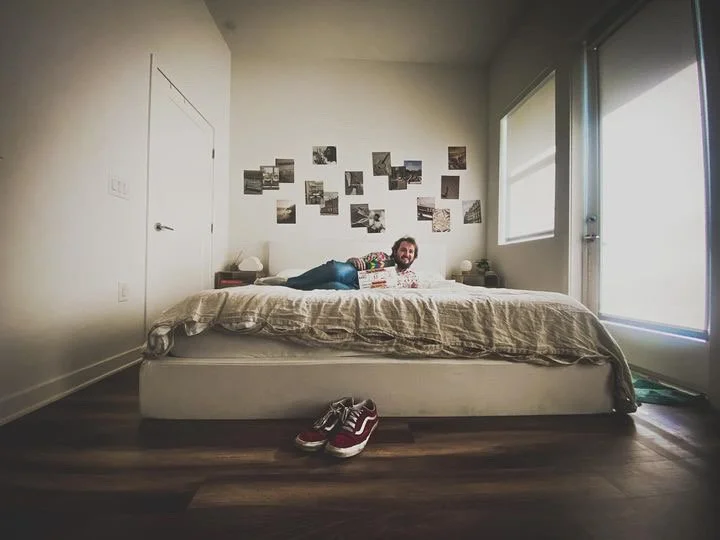
You're Perfect! tackles body dysmorphia through a horror lens — what inspired you to merge psychological vulnerability with a genre traditionally associated with fear and suspense?
I’ve always found human vulnerability to be more unsettling than conventional horror tropes. True psychological terror often lies within the human experience, and I wanted to explore that through deep personal trauma. By using body dysmorphia within the horror genre, I’m not just aiming to scare but to evoke empathy and conversation when the film ends. My personal motto is always "Cinema Is Therapy", and using horror as a vehicle, it can be used like a therapeutic experience not only for me as a creator, but hopefully for the audience too.
CONVERSATION ABOUT: ‘‘You're Perfect!’’
Body dysmorphia is a deeply internal struggle. How did you translate such an intangible psychological experience into something visual, visceral, and cinematic?
Using body dysmorphia into film requires both personal insight and creative sensitivity. As someone who has experienced body dysmorphia, I approached the story from an emotional perspective. The goal was to show Amber’s internal battle by using unsettling visuals and a surreal atmosphere to reflect the distorted perceptions and anxieties. We wanted the audience to not only witness Amber’s experience but to feel it too. The story becomes an exaggerated, cautionary tale about how far someone can go to correct themself.
Horror often relies on atmosphere. How did you use sound, lighting, and framing to heighten the psychological tension?
In the film, everything is filtered through Amber’s eyes and emotions dictate the world around her. Sound design was very crucial in the film; the inner voices, ambient tones, and music were all shown to express Amber’s thoughts and feelings. We also drew inspiration from directors like Yorgos Lanthimos and David Cronenberg, blending body horror with visceral surrealism. The lighting and color palette also reflect a ‘70s Italian Giallo influence, paying homage to Italian auteurs like Dario Argento and Mario Bava. This stylized approach gave us an immersive atmosphere where everything serves the story’s psychological horror.
What was the most challenging scene to shoot — emotionally or technically — and why?
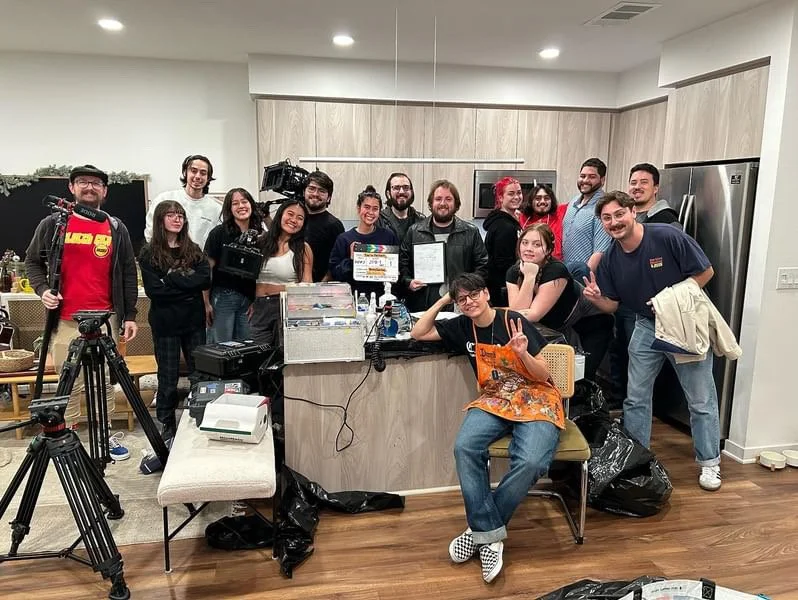
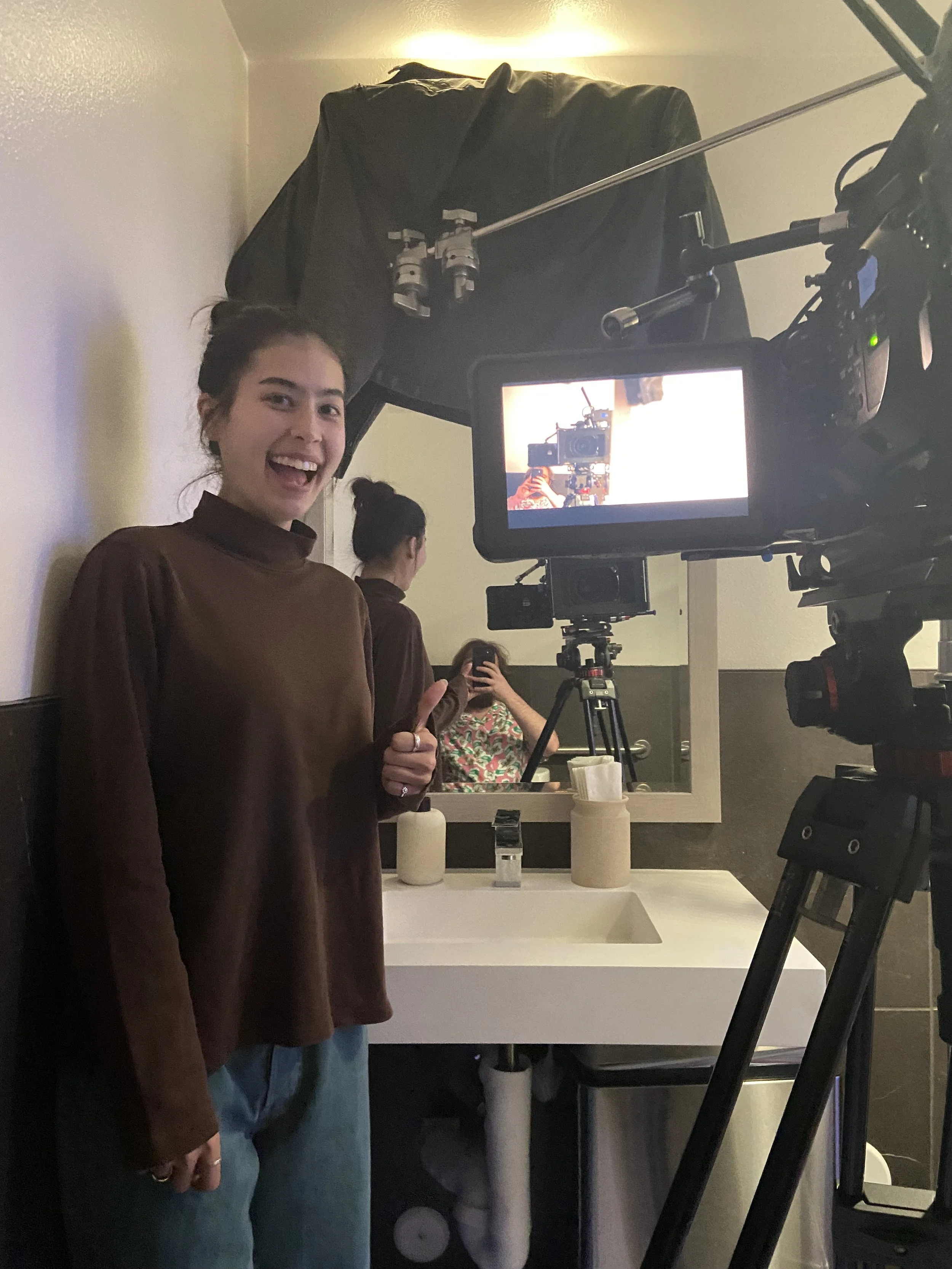
The bathroom climax was undoubtedly the most emotional scene. On a technical level, the smaller space made it challenging to execute the shots we needed. But what truly elevated the difficulty was the raw, incredible performances from Lily Penner and Audrey Forrester. During a rehearsal before lunch, they delivered such powerful emotional depth that the entire crew was left speechless. It was an intense, unforgettable moment on set that confirmed we were creating something deeply affecting.
What reactions do you hope to elicit from audiences watching your project?
I hope this film sparks conversation when the credits roll. Whether the reactions are positive or critical, I want the audience to come away thinking about the themes and the emotional story behind them. Cinema, as a whole, is about shared experience. That’s what I’m aiming for: not just entertainment, but impact.
In future projects, do you plan to explore similar genre intersections, or are there other genres you're eager to explore ?
Currently, I’m working on three more shorts that tie into my other work (Stare., Pour Your Heart Out, and You’re Perfect!) kinda like a thematic trilogy. These will eventually build up to a future feature that ties the narrative threads together like a big bow. Looking ahead into the future, I’m excited to explore new genres like action or science fiction, while still maintaining the emotional core that defines my work. I’m always experimenting to see what resonates both creatively and with audiences.
You describe yourself as a 'freedom thinker' in cinema. What does that look like on set or in your storytelling choices?
Being a freedom thinker means embracing creative independence in any art form. On set, I also encourage collaboration. I want my cast and crew to bring their ideas to the table because I truly believe filmmaking is a collective art form. TAG Movie Productions is rooted in this philosophy: empowering storytellers to express their vision freely and authentically. That’s what drives me to create a space where artistic freedom isn’t just allowed, but celebrated.