Oakley Fugate: Six Years of Crafting Invisible Scars
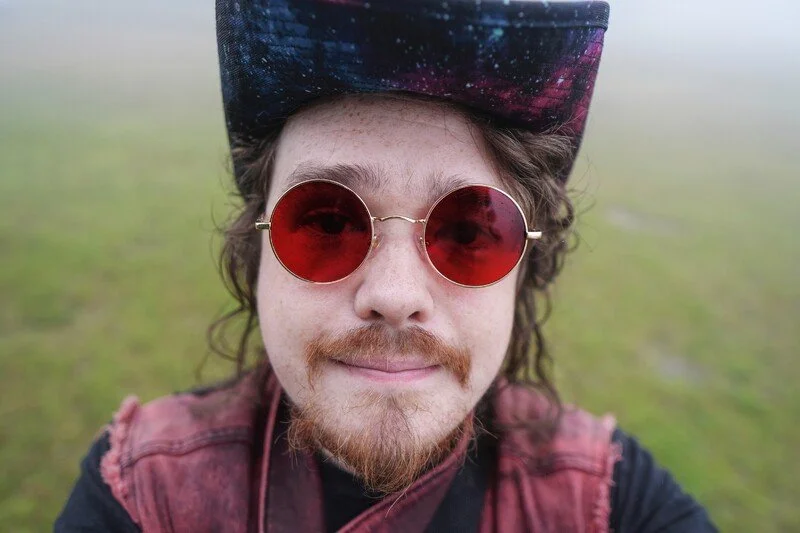
Welcome Oakley Fugate, we are very excited to have you today with us to discuss about your work.
Who is Oakley Fugate, and how did your passion for creating begin?
I was born in Letcher County, Kentucky and grew up in a small place called Carcassonne deep in the Appalachian Mountains. Ever since I was a kid, I explored the woods and it was like every day was its own little adventure. It wasn't until my twenties when someone visiting was mesmerized by the pre-morning light illuminating the mist in the mountains that I realized I was blessed to have been born here and I feel destined to create something. At the very least to preserve it for others to be mesmerized by the view.
Growing up isolated during the DVD boom helped ignite that passion. I had a metal box copy of the Texas Chainsaw Massacre and I watched that behind the scenes documentary until the bonus disc wore out. I loved getting to see every step of creation and when I was twelve, I bought a $20 camera from a dollar store that shot fifteen seconds of video at a time and I've been making films since I was thirteen and watchable films since around nineteen twenty.
Can you tell us a bit about your previous work?
I primarily make documentaries. I produced several with Appalshop and was a part of the Appalachian Media Institute program for around fourteen years. I always loved getting to hear people's stories and empower their voice. One of my films "Not a Daughter" was accepted into the Margaret Mead Film Festival.
On the other side of the film making world, I have been making fictional films much longer. Primarily of the slasher genre. Alongside Invisible Scars, I have two other cheesy horror features called Fallen Souls and Hamartia. And I just made them to put on YouTube and to let anyone who wanted to be a part of it have the opportunity and get them out there. It wasn't until this one that I even talked to a distributor.
I also do ambient soundscapes and various other editing gigs. I actually do it in my spare time for fun, it has been a blessing or curse countless times throughout my existence.
Invisible Scars is a title that immediately suggests wounds people carry but rarely speak about. What was the first image, memory, or emotion that inspired the film?
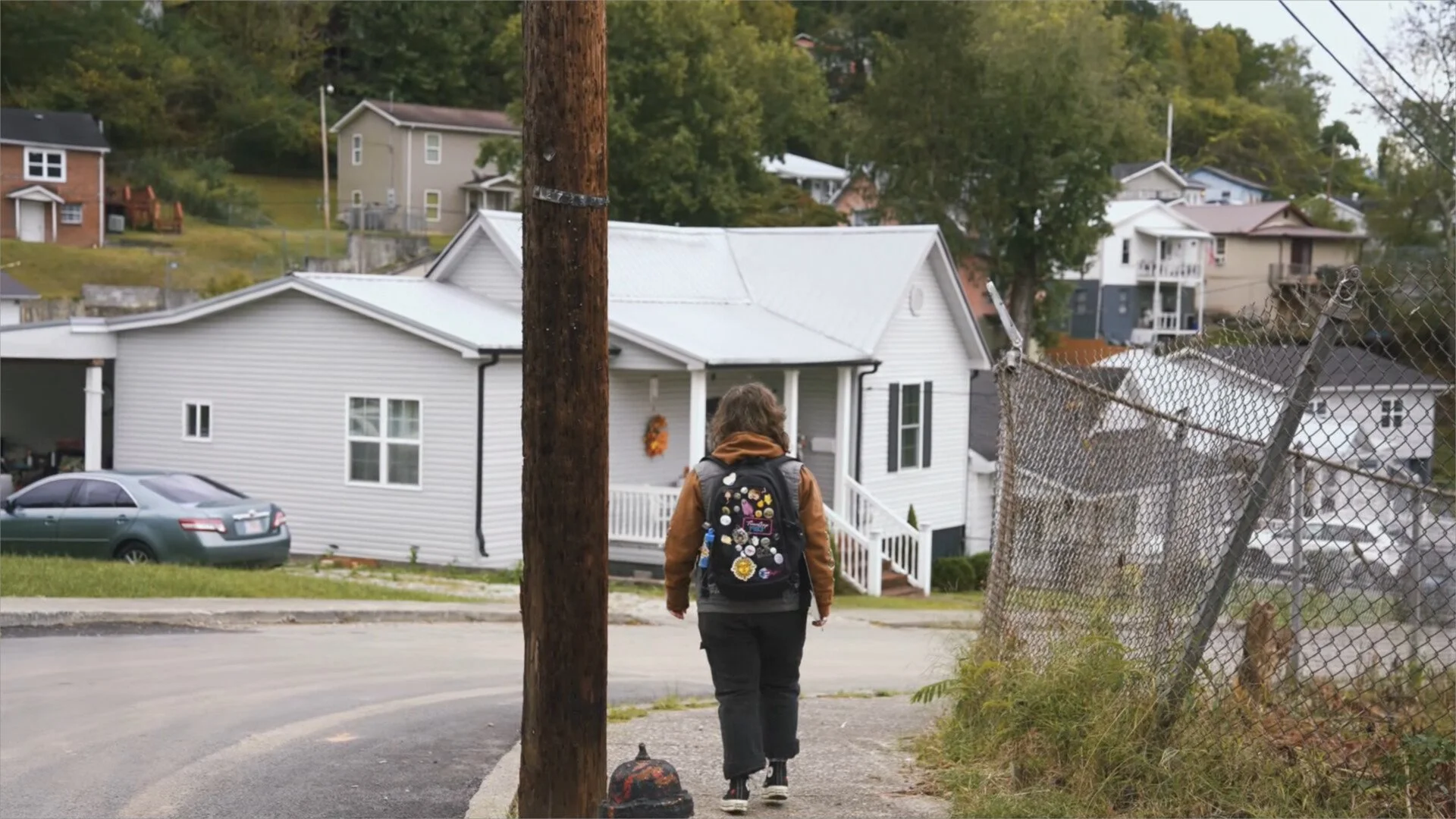
It was inspired by a friend that knows so much about our region and it's history but just didn't feel like they belonged or really fit in with people here. And they were telling a story about a relative and how this person didn't talk about anything and it was all of these unseen wounds that had created this divide that made things unreconcilable.
And I just thought of what if I made a movie that was like the aftermath of a traditional one. Everyone graduated high school and went their own separate ways, nobody keeps in touch or cares about what's going on and everything just kind of falls apart. It's so hard to keep bonds and friendships alive in the mountains, what if the isolation wins and the worst of us takes over?
CONVERSATION ABOUT: ‘‘Invisible Scars’’
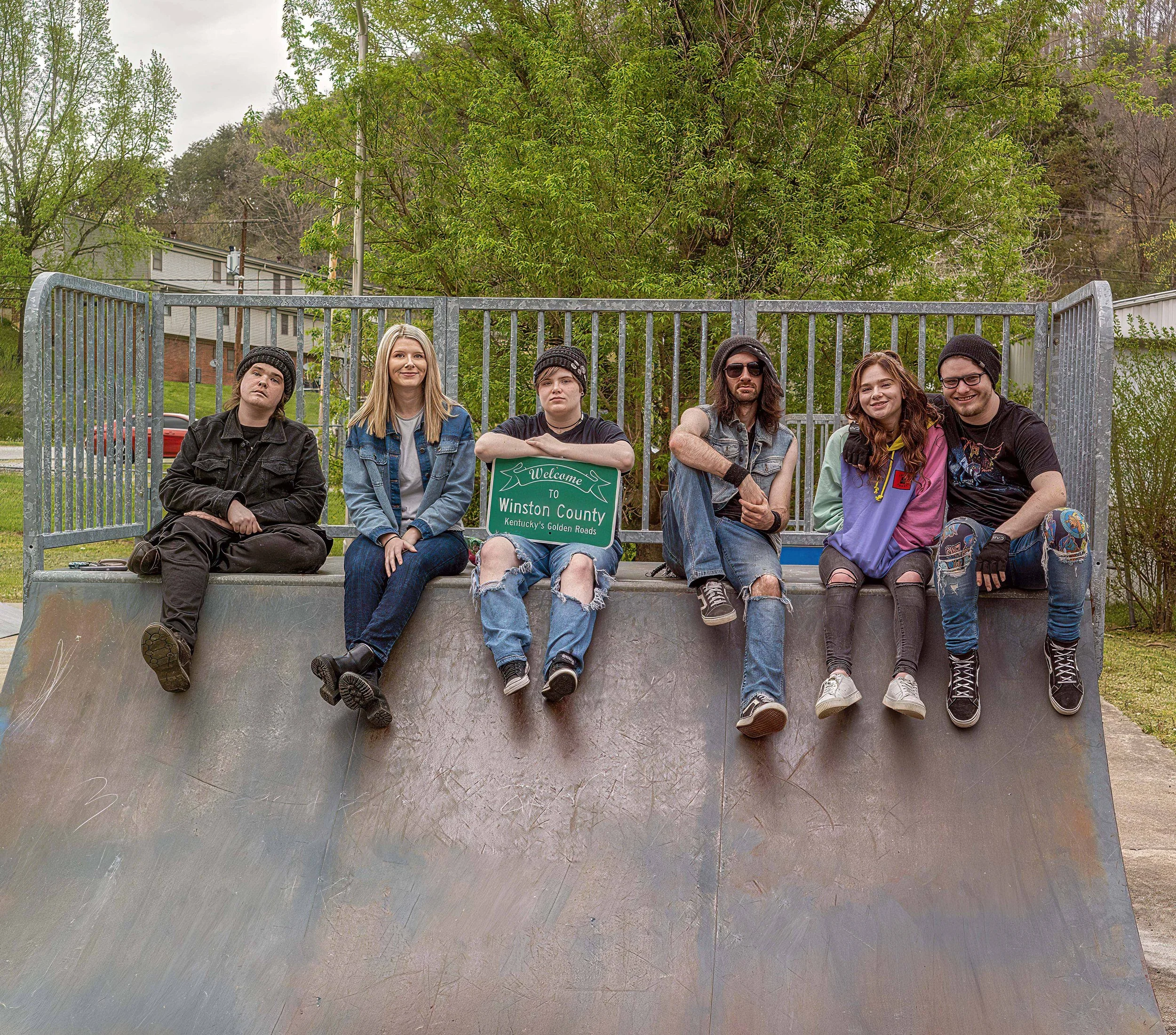
At its heart, Invisible Scars is about belonging in the place you call home while feeling that home doesn't fully accept you. How personal was that emotional conflict for you?
I think everyone here feels it at some point or another. It's really hard growing up here in the mountains and especially when you don't fit in and have a lot of different viewpoints. And I think everyone goes through that. In their life where the group goes their own ways, life hits everyone at different speeds and intensities and things just kind of start going in motion and sweep you away before you realize it and if you grow up in a small community that is already well spread apart and you're not able to get around, isolation becomes part of your being in a way.
And I had several close friends move away from here that I miss dearly and so many relatives that these roads kind of seem empty and all those riding trails just don't look the same to me.
You also encouraged actors to shape their own roles. Were there moments where an actor fundamentally changed your understanding of a character?
Very much so , I feel each actor gave the character their own unique breath of life. Al Star actually helped decide one of Danny's core character aspects, deep down he wants to see the good in people and even if his armor holds tight , he will leave himself vulnerable for those around him.
Other characters such as the notorious Johnny Neurontin, portrayed by Adam Brewer, did all of the dialogue and even directed the beat of the main scene he's in. I only said how it was going to end and we did 10 long takes and... a number of short ones. Rachel isolates because she feels she has to take care of and watch over people, Jane will never give up on her town but a fear of losing what's left stops her, a lot of the titular villains' mannerisms are all aspects that were provided outside of the script.
Do you hope local audiences see themselves reflected in the film, or do you hope outsiders leave questioning their assumptions about Appalachia?
I would hope it's a warning more than anything and something people around here can see as a film shot here with familiar locations and our distinct insects in the background. The town Winston is compiled of the worst aspects about growing up here and dialed up to 11.
I don't think any of the main cast are really role models, some have their moments. Jane wants a better world as it's falling apart around her, Rebecca lost her entire family and is still persevering, even when losing that personal connection. The only one who really gets away is Rachel who had detached herself from the town and everything around it emotionally by the end.
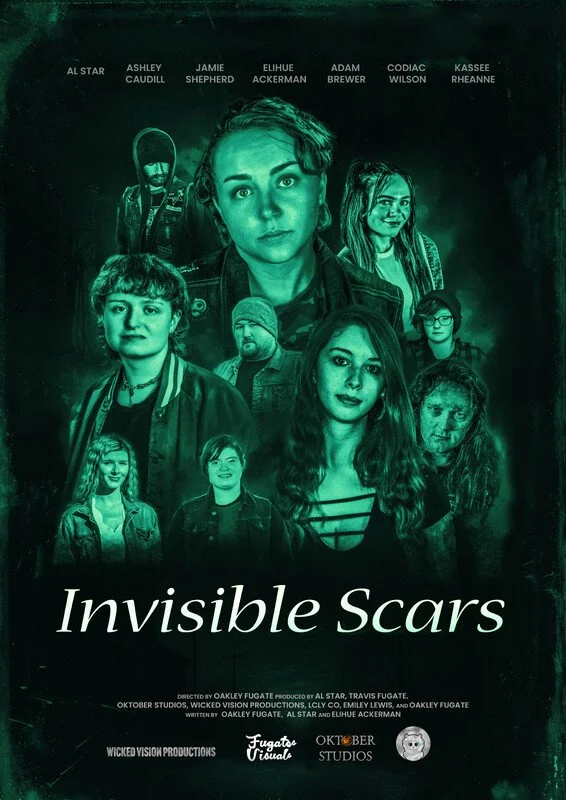
Six years is an extraordinary amount of time to spend on a short film. How did your visual style, storytelling, or artistic vision evolve throughout production?
I was certainly not ready mentally for such a gloomy film to take place over 6 years of production.
Everything changed over time. The original A-cam lasted the whole production and one of the lights did. The runtime back in 2019 was 105 minutes and to transform that into a 90 minute film featuring several new cast members in an otherworldly experience that confuses and intrigues me to this day. A lot of the actors were people living real lives and some of them were not able to come back, some retired.
I think the message of why we stay also rings true. I had actors play a role for 5+ years, we had so many setbacks with people canceling, canceling day of , life getting in the way and we were attempting production during the pandemic, a shoot got cancelled due to a 1000 year flood that returned a couple years later to delay a shoot with the same actor, and they continued to show up. I had locations that I was nervous to approach repeatedly greet and welcome my crew with open arms for years. Only in Eastern Kentucky.
In future projects, do you plan to explore similar genre intersections, or are there other genres you're eager to explore ?
I really want to try fantasy and comedy. If not for Budget reasons, I probably would have already delved into the field in some form. I feel like my documentary films have a place in my life for the foreseeable future as I still have two currently in production. Horror is what showed me that I could pick up a camera, some tubes and some questionably edible mixture of red food coloring and other things and create.
A decade of working on my own projects, not even counting the various films I've assisted with or done still photography for or any other things, leaves me wanting to try new things and show other genres that inspired me some love as well. But most of my projects, such as this one, give me some rest, a crew of six people and three actors or actresses, I would probably be ordering stage blood as I complete this sentence.
If you could sum up the film’s core question in a single sentence that would make someone want to watch it immediately, what would it be?
Invisible Scars is a tragedy about isolation prevailing over a group of friends that have all gone through their separate ways and stages of life living the last year of many of their lives amidst a looming spree of violence and death.