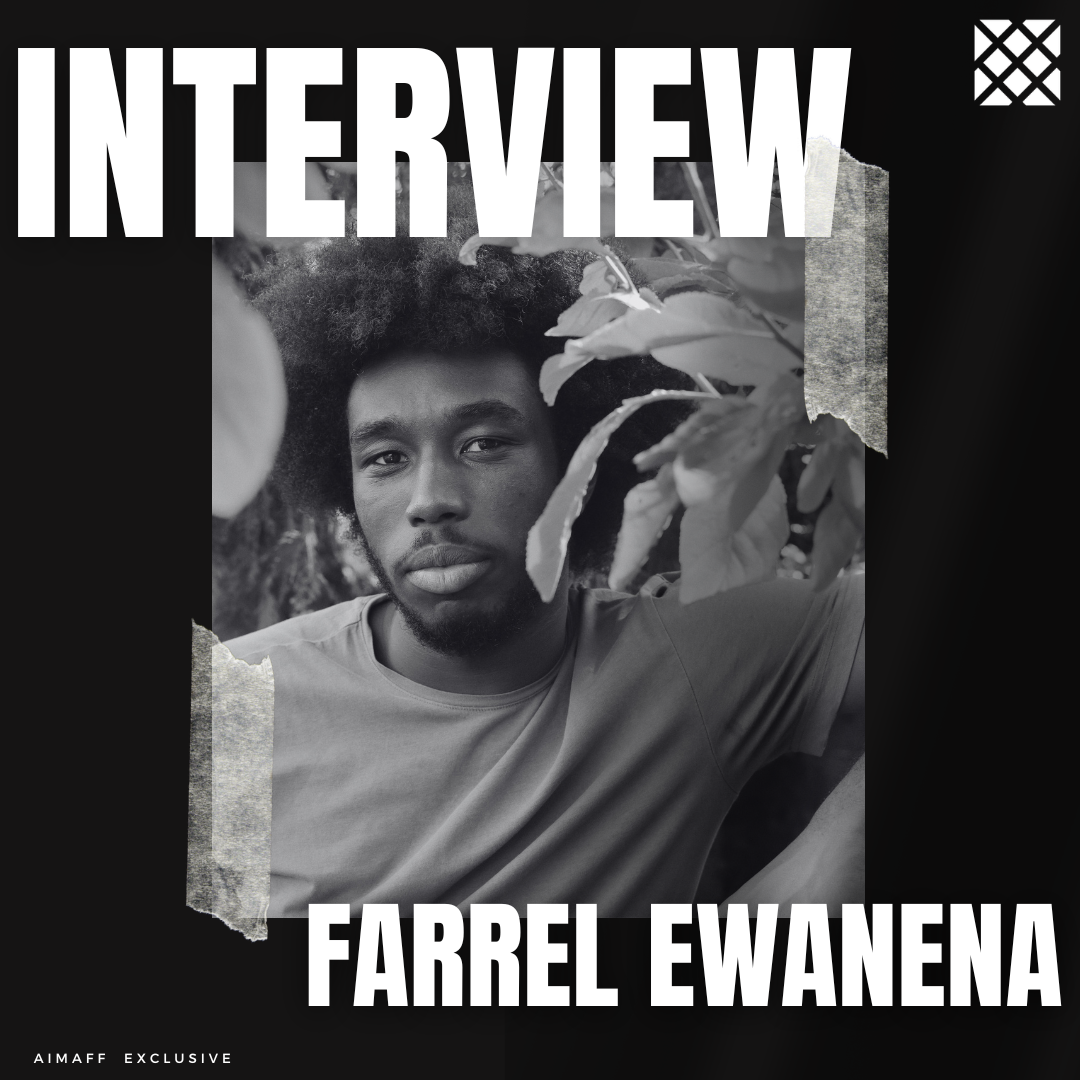
Farrel Ewanena's Say It: A Film That Refuses to Whisper
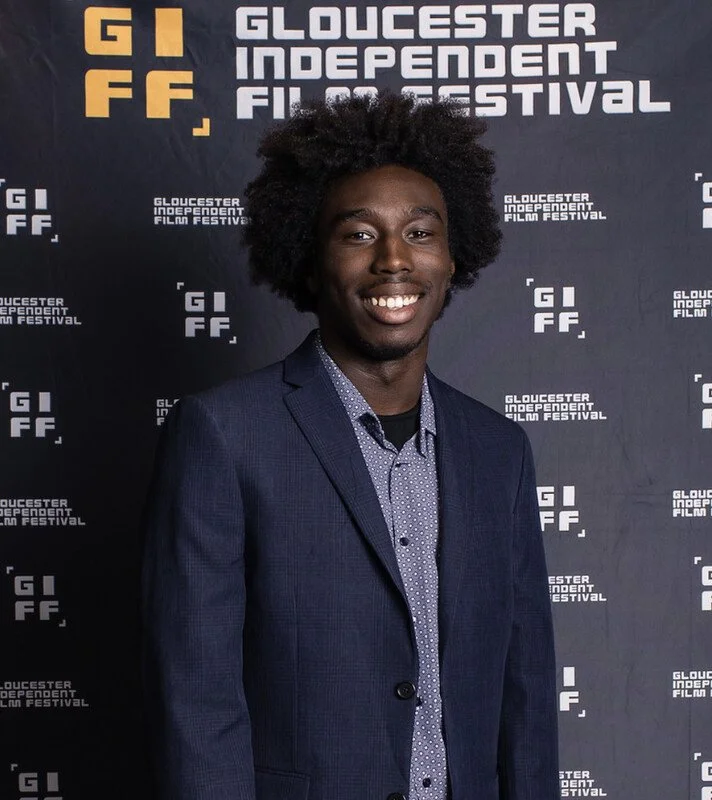
Welcome Farrel, we are very excited to have you today with us to discuss about your work.
Who is Farrel Ewanena and how did the passion for creating begin?
I’m a 21-year-old writer, director, actor and musician. I grew up in Belgium, Ghana, the Isle of Man and the UK, and as a result, I’m a polyglot. My passion for creating began as a child, through my love of singing and musicals. After forcing my family and friends to be in short films and plays growing up, I eventually started film school in 2023 where I specialised in directing. I often get asked which route specifically I’d like to go down, and I always say all of the above, as I believe the creative passions we like to pursue shouldn’t be constrained to just one art form!
Can you tell us a bit about your previous work?
Say It is my first film in the festival circuit, so all of my previous work is work I made during my time at university. Say It was made in my second year at university and apart from that I’ve made 6 other pieces of work. Some I’m proud of and others I hope never see the light of day. But it’s all part of the learning process. One of the films I made had the requirements of no more than five lines of dialogue, and we had to build one set location. It’s called Peppercorn and follows two friends in the 1940s, trying to escape the war by using their talents.
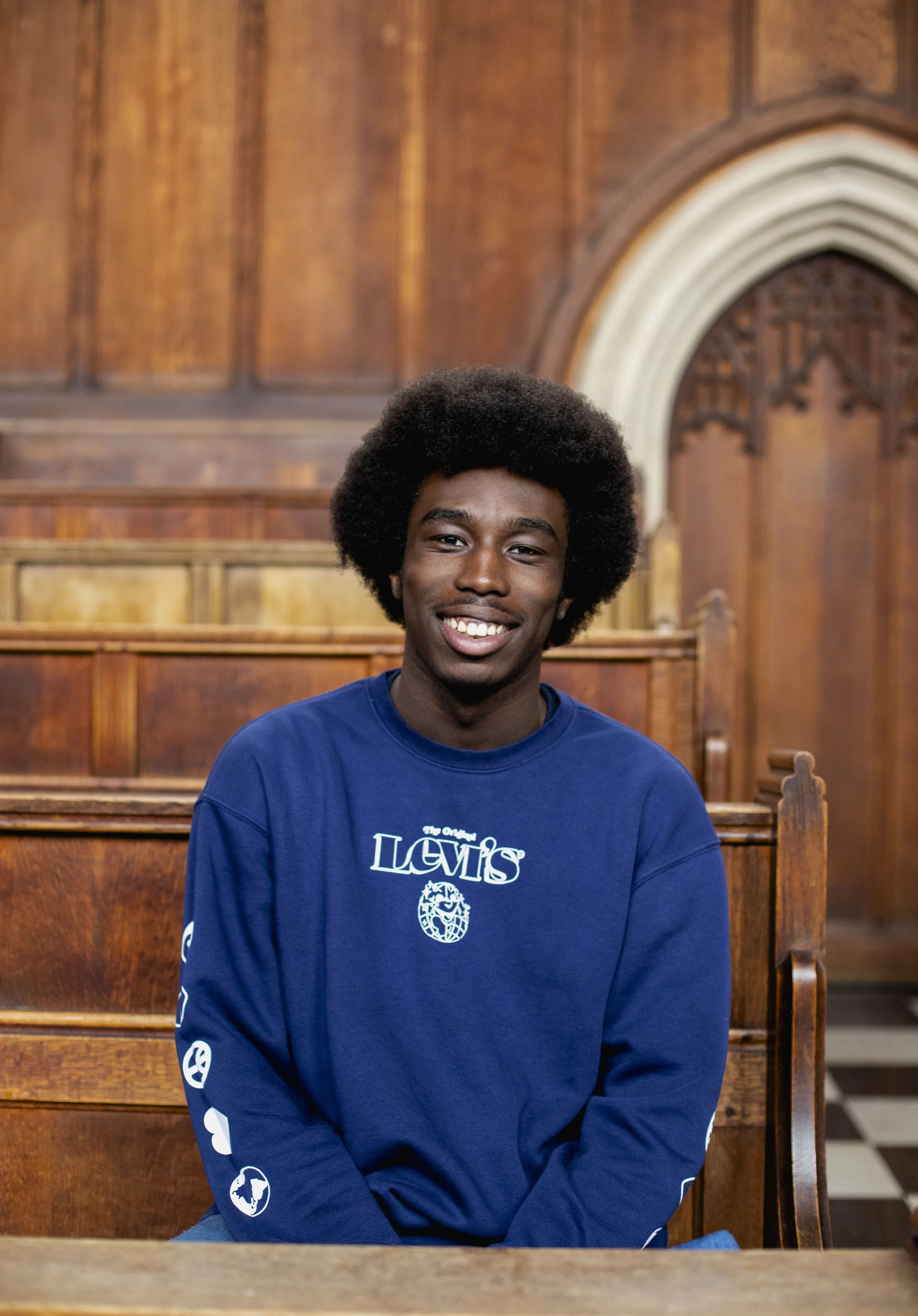
Every film begins with a spark. What was the first image, emotion, or question that inspired ''Say It'' ?
Well Say It is inspired by true events, specifically the systemic racism I experienced during boarding school. What inspired me to create a film about it was my frustration with nothing being done to solve the issue, as well as people not fully understanding my experience. I tend to create pieces of work from all the experiences in my life and Say It was no different. In terms of what inspired the film’s style and tone, it would have to be ‘The Hate U Give’ and the short film ‘Two Distant Strangers’
CONVERSATION ABOUT: ‘‘Say It’’
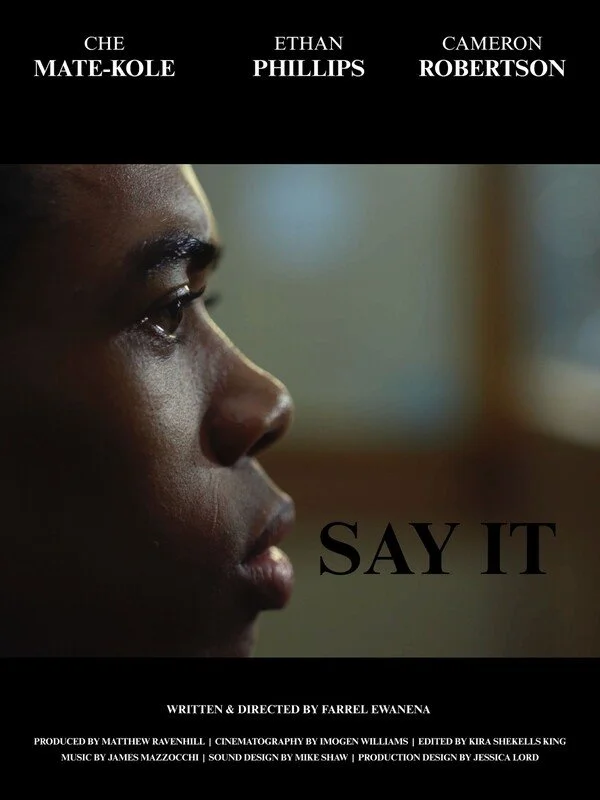
You write that "realising the system is against you is the first step towards freeing yourself from it." How did that realization change you, not only as a person, but as a storyteller? Was writing Say It emotionally cathartic, emotionally exhausting, or a combination of both?
That realisation changed me as a person in many ways. Specifically, as a black man. It made everything click for me. After years of being told how the world was built against people like me, I still had a slight optimism that this might not be the case. But going through the experience is what I needed for it to fully register. It made me less naive and more aware of the world we live in, and as a storyteller, empowered me to use my voice to make a change. Writing Say It was very cathartic. Some of the dialogue is verbatim to conversations that were had. It was very therapeutic to get it all down on paper and look at it from a bird’s eye view.
Much of the film takes place in a single location. What were the biggest creative challenges in keeping the tension escalating without relying on changing environments? How did cinematography help reinforce the feeling of confinement while also reflecting the emotional shifts between the characters?
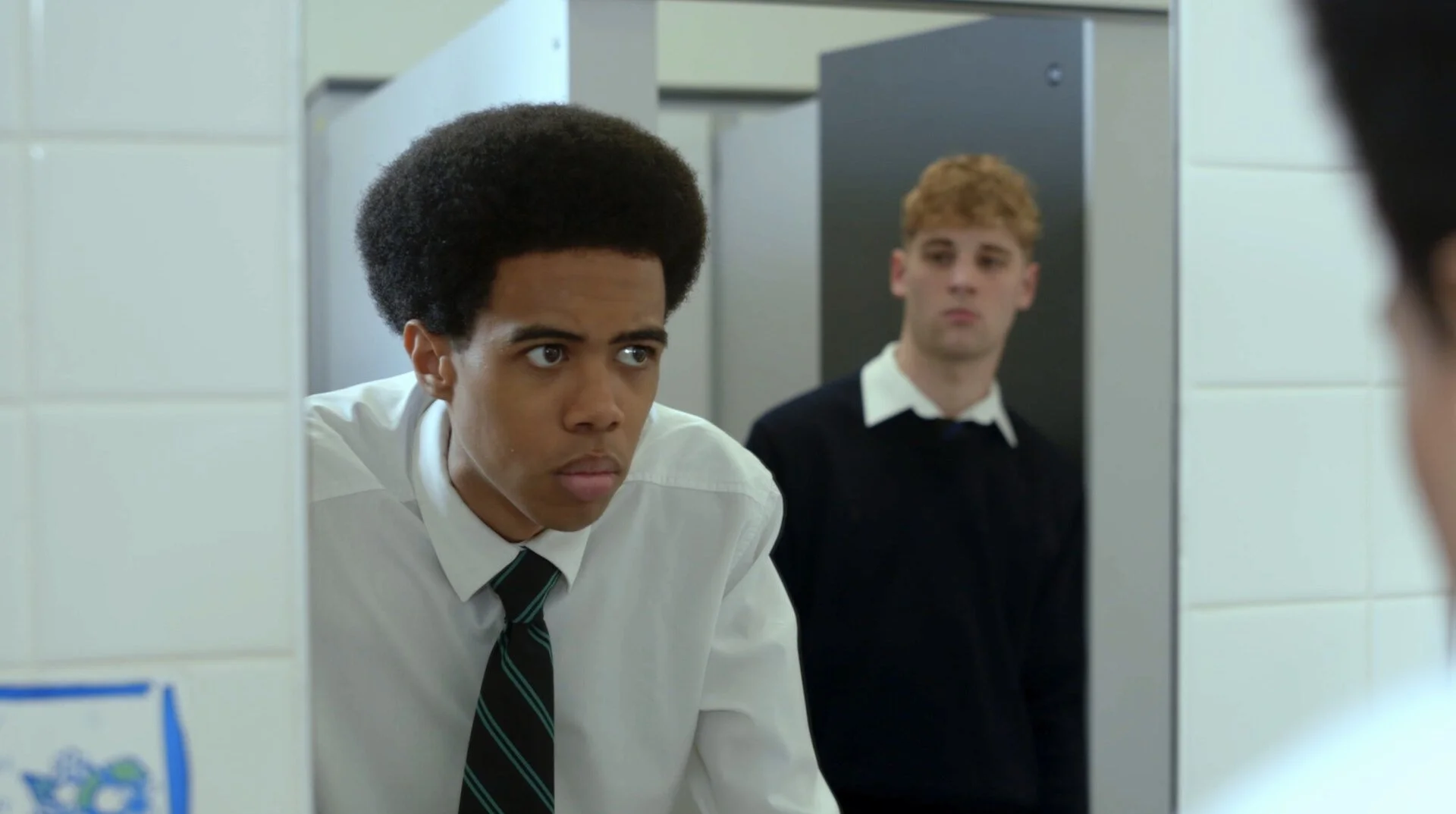
Finding the bathroom location was one of the hardest parts of production and it was the last thing we did. From the start we knew it would be challenging to shoot in there, and my wonderful cinematographer (Imogen Williams) and I had many meetings and conversations about how to keep it engaging. Since it was character driven, we made sure every shot enhanced the drama while remaining visually engaging.
For instance, when the boys first see each other, it’s through the mirror to represent their fractured view of each other. But when they see each other for the last time, it’s through close ups to show that the veil is lifted and they see each other clearly. We also have them start at separate ends of the room, and we enhance their distance with wider over the shoulder shots and move in closer as the tension rises. We also utilised the mirrors throughout the film as a way to show that they were trapped, both physically and metaphorically.
Having grown up across four different countries, how has that multicultural experience shaped the stories you're drawn to tell?
I often get asked this question, and I would say that I don’t know any other way to tell if that makes sense? Because for me the fact that I grew up in several countries is normal to me, and so I don’t see it as something different but rather something regular in terms of how I view the world. In terms of the stories, I’m drawn to tell, I enjoy highlighting the outsiders, or the misunderstood people of society. Growing up in different countries often meant I was the odd one out and what I learned from this was that although being different can be isolating, the different ones often have the most interesting stories, and those are the ones I strive to tell.
Do you see filmmaking as a form of activism, personal expression, or something that exists somewhere between the two?
I think it definitely exists somewhere between the two. Every film has a message, a central dramatic argument. For me, films are a way to express myself and to give people an insight into my head and my experiences. Sometimes the way it manifests is through activism, depending on the film’s story and message. But I think filmmaking is definitely a tool that can be used for both.
In future projects, do you plan to explore similar genre intersections, or are there other genres you're eager to explore ?
I love making dramas, but I also love watching psychological thrillers, comedies and musicals. In terms of directing those genres, I’m definitely open to exploring those. I see it as a fun challenge. Comedy is one I’m excited about, as I find that my work always has elements of comedy, but a full on comedy is something I’m looking forward to making. I also directed a psychological thriller short film a few months ago and that taught me so many things like certain rules and directorial choices which are necessary for the genre.
If you could sum up the film’s core question in a single sentence that would make someone want to watch it immediately, what would it be?
I guess the core question is How far are you willing to go the get the justice you deserve? The film’s main message is that as a black person, realising that the system is against you is the first step in being free from it. When seeking justice, are you willing to play it safe or will you do whatever it takes?