Welcome Darene, we are very excited to have you today with us to discuss about your work.
Who is Darene Puttergill, and how did your journey from journalism and holistic mental health to documentary filmmaking begin?
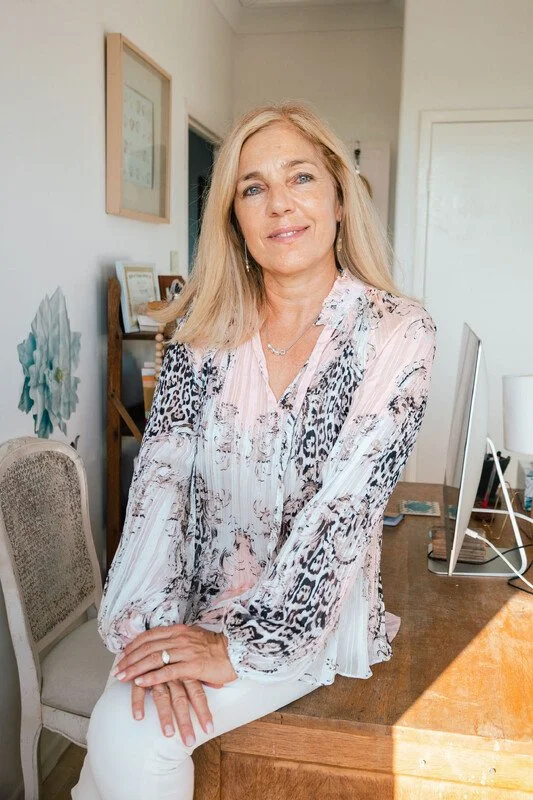
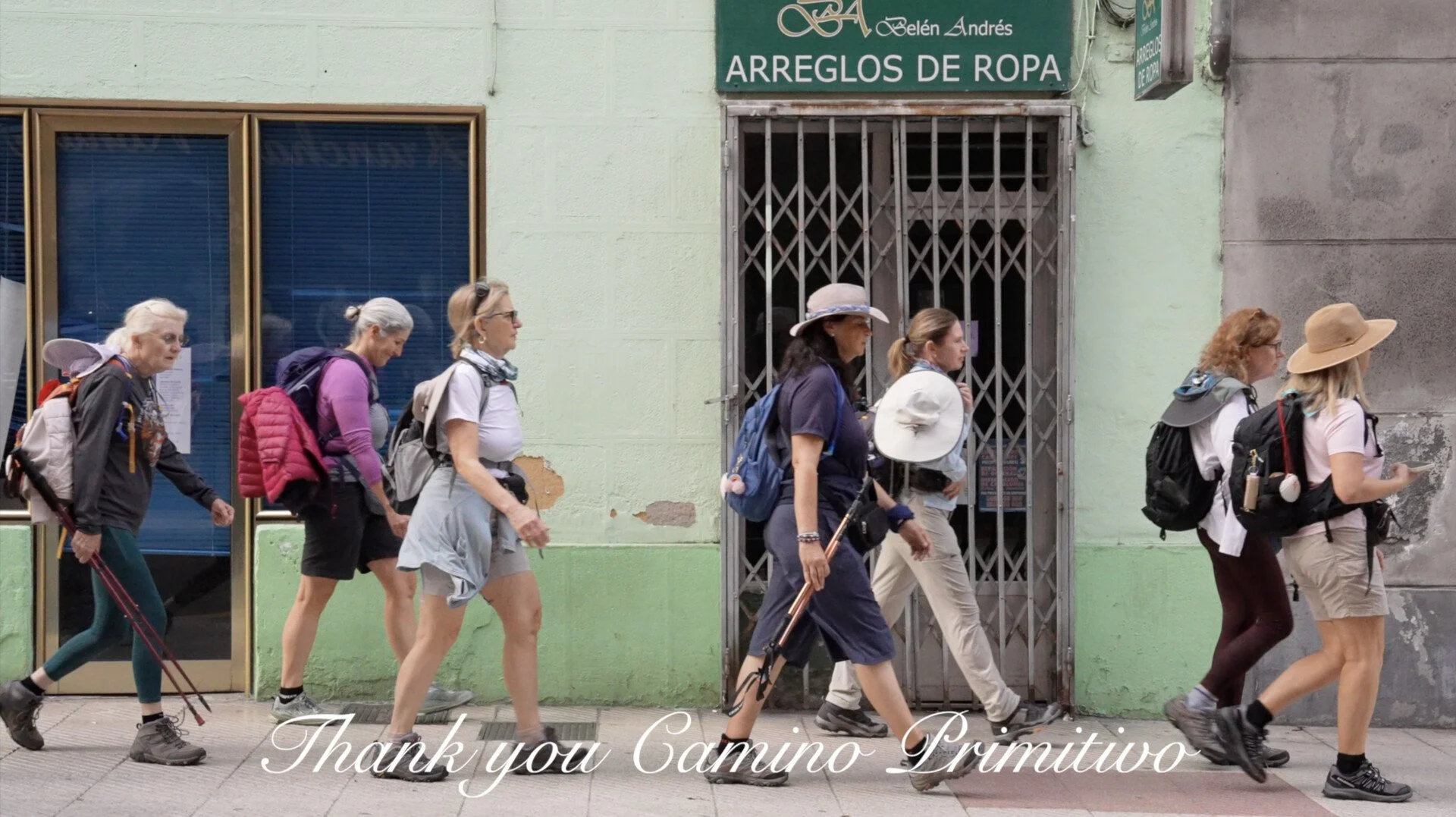
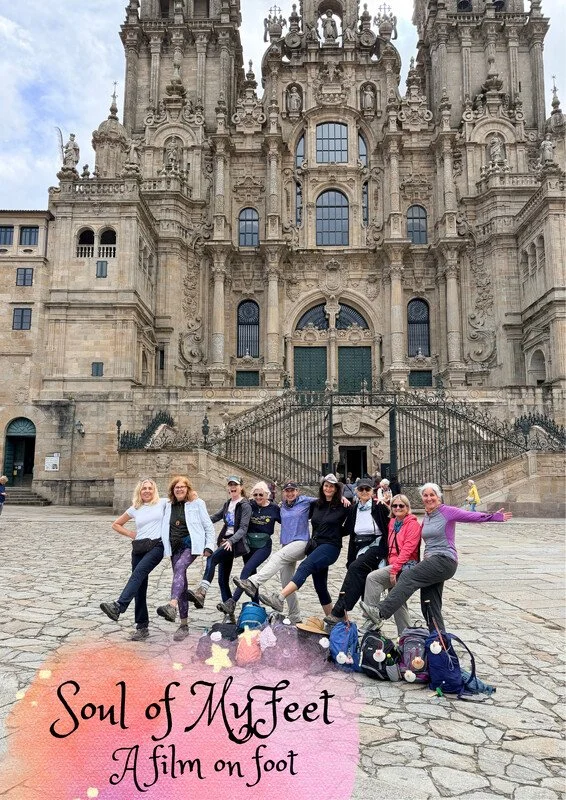
I began my career as a newspaper journalist in South Africa, reporting on the historic release of Nelson Mandela from prison. Next, I devoted much of my time to raising my children. In my early 50s I studied FasterEFT, a healing modality, and had sessions on myself to ultimately reverse Hashimoto’s Thyroiditis, an auto-immune condition. In 2017 I walked the 800km Camino de Santiago in Spain, a key piece in rewiring my nervous system and restoring my immune system. Soon I was guiding women annually on different, heart-opening pilgrimage routes, excited to share the profound connection between nature, movement, authenticity and wellbeing. These journeys inspired me to create my documentary, Soul of My Feet, in collaboration with talented Australian cinematographer Capucine Merlant-Pilonchery. The film follows nine international women (including me) walking 300 kilometres of the Camino Primitivo in Spain, exploring the unexpected ways a pilgrimage can change us. I wanted the movie to follow these women in real time as they share their trials, transform, and walk closer to their essence. I bring together storytelling, pilgrimage and transformation, with a particular interest in what becomes possible when women step outside their familiar lives and discover who they might become.
Can you tell us a bit about your previous work?
For nearly a decade, I've been walking and guiding women along sacred pilgrimage routes in Spain, Italy, Portugal and South Africa. I founded Walk To Heal Retreats, bringing women together to experience the physical, emotional and spiritual dimensions of pilgrimage. I also work as a transformation coach in Australia and online, using FasterEFT tapping, hypnotherapy and neuroscience, helping midlife women in particular, release trauma, navigate change, reconnect with themselves and embrace new possibilities. My documentary, Soul of My Feet, brings these interests together through the stories of nine women walking the Camino Primitivo, Spain’s oldest route. Along the way I encouraged self development in sharing circles, and some of the women took advantage of EFT tapping sessions to work through personal issues.
The title Soul of My Feet is beautifully poetic. What does it mean to you, and how does it capture the relationship between physical movement and inner transformation?
I would describe Soul of My Feet as the meeting place between the physical journey and the journey within. Our feet carry us across landscapes, but they also carry us through the layers of our own lives - our stories, our struggles, our hopes and the parts of ourselves we may have lost touch with. There is something profound about walking. Step by step, the noise of everyday life begins to fall away. We become more present, more receptive and often more willing to listen to what is happening inside us. The body leads, and sometimes the heart and mind follow. For me, pilgrimage is not simply about reaching a destination. It is about allowing the journey to change you. The title speaks to that beautiful connection: our feet may be doing the walking, but our souls are on the journey too. And sometimes, by walking our way through the world, we find our way back to ourselves.
CONVERSATION ABOUT: ‘‘Soul Of My Feet’’
For someone who has never experienced the Camino de Santiago, how would you describe what makes this centuries-old pilgrimage so different from an ordinary long-distance hike?
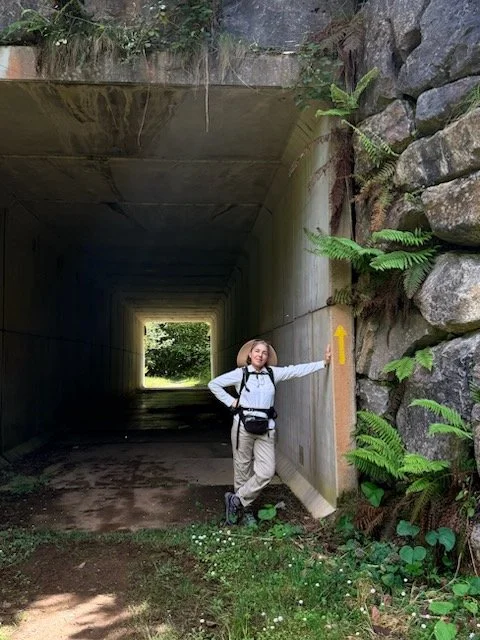
I think the biggest difference is that the Camino is not simply a walk from one place to another; it is a journey with a history, a spirit and a life of its own. For more than a thousand years, pilgrims have travelled these routes in search of something - faith, healing, answers, adventure, or perhaps something they cannot quite put into words. Unlike an ordinary hike, the Camino invites you into a rhythm of walking, connecting and letting go. You share the path with people from all walks of life, often forming unexpected friendships with strangers who become part of your story. There is a wonderful simplicity to it: carrying what you need, walking one day at a time, and allowing the experience to unfold. For many people, the greatest journey is not the kilometres covered or the destination reached, but the inner shifts that happen along the way. The Camino has a way of stripping life back to what matters and reminding us of who we are and what is possible.
Your film brings together nine women from different parts of the world, each carrying her own experiences, fears, and expectations. How did you bring this particular group together?
The group came together through a shared connection to pilgrimage, emotional wellbeing and a desire to step outside the familiar patterns of everyday life. Some of these women have walked with me several times and keep returning each year. Some have been clients. Some are friends and friends of friends. I had been guiding women on Camino journeys since 2019, and over time I became fascinated that women from all over the world can bond so strongly. It is also an exercise of opening your heart and being tolerant of everyone’s individual journey. What united these women wasn't necessarily a shared experience, but a willingness to say yes to the unknown. I was interested in creating a space where they could put aside their everyday roles and expectations and simply be women walking together, supporting one another, discovering their own strengths and seeing what might emerge. I couldn't have scripted what unfolded. That was the beauty of it. The Camino became the common ground on which nine very different journeys began to intersect.
Your cinematographer and editor, Capucine Merlant-Pilonchery, describes the camera as "a gentle witness rather than an interruption." How did that philosophy shape your approach to filming emotionally vulnerable moments?
That philosophy was central to the way we approached the film. We wanted the women to feel that they were on their own journey, not performing for a camera. The Camino can bring up unexpected emotions - exhaustion, grief around life events, joy, uncertainty and moments of profound connection. We felt it was important to allow those experiences to unfold naturally, without directing or interrupting them. The ladies were very obliging and Capucine has a beautiful sensitivity as a filmmaker. She understood when to move closer and when to give someone space. During tapping sessions there were tears and vulnerable moments. Capucine was very respectful and I think that gentleness helped create an atmosphere of trust. The women could be themselves, with all their vulnerability and strength. Ultimately, we wanted the camera to honour their stories.
Was there a moment during filming or post-production when the project revealed something unexpected about itself and changed your original creative intentions?
There was a very raw moment during one tapping session in the hotel room which Capucine captured. Ilka (also a FasterEFT practitioner) and I were leading a tapping session together on Catherine that was highly emotionally charged. Capucine and I decided to include a clip of this in the movie even though the lighting was dim, as the moment was so real and illuminating of the burdens we carry, and that walking a Camino can heal and free us. This right here was the focus of the movie, to show the world that the combination of therapy and walking a pilgrimage is transformational. There's a fascinating story behind EMDR (Eye Movement Desensitisation Reprocessing). In 1987, psychologist Francine Shapiro noticed during a walk in a park that some troubling thoughts seemed to lose their emotional charge as her eyes moved spontaneously from side to side. This observation sparked her exploration of eye movements and emotional processing, eventually leading to the development of EMDR therapy.
In future projects, do you plan to explore similar genre intersections, or are there other genres you're eager to explore ?
I feel like I would like to keep exploring similar genres: healing and transformational journeys. This is my great passion. Next year I am taking a group to walk the ancient Kumano Kodo in Japan. I can’t help but think what incredible material lies ahead for another documentary
What would you most like audiences to carry with them after the final image fades?
I would like to leave the audience with the exciting idea that if you’re feeling stuck, miserable, jaded by routine, there are these sacred paths waiting for you to place your feet there, and will be a catalyst for rejuvenation, your inner exploration and liberation. You may begin with a heavy backpack - all the burn out, disappointments, pain and grief - but by the end you will have walked yourself into a new beginning of hope, acceptance and love. These are paths of love. That’s basically it. Don’t hesitate to take this sweet, life-giving journey.