Imbi Männik Paints a Portrait of Pride
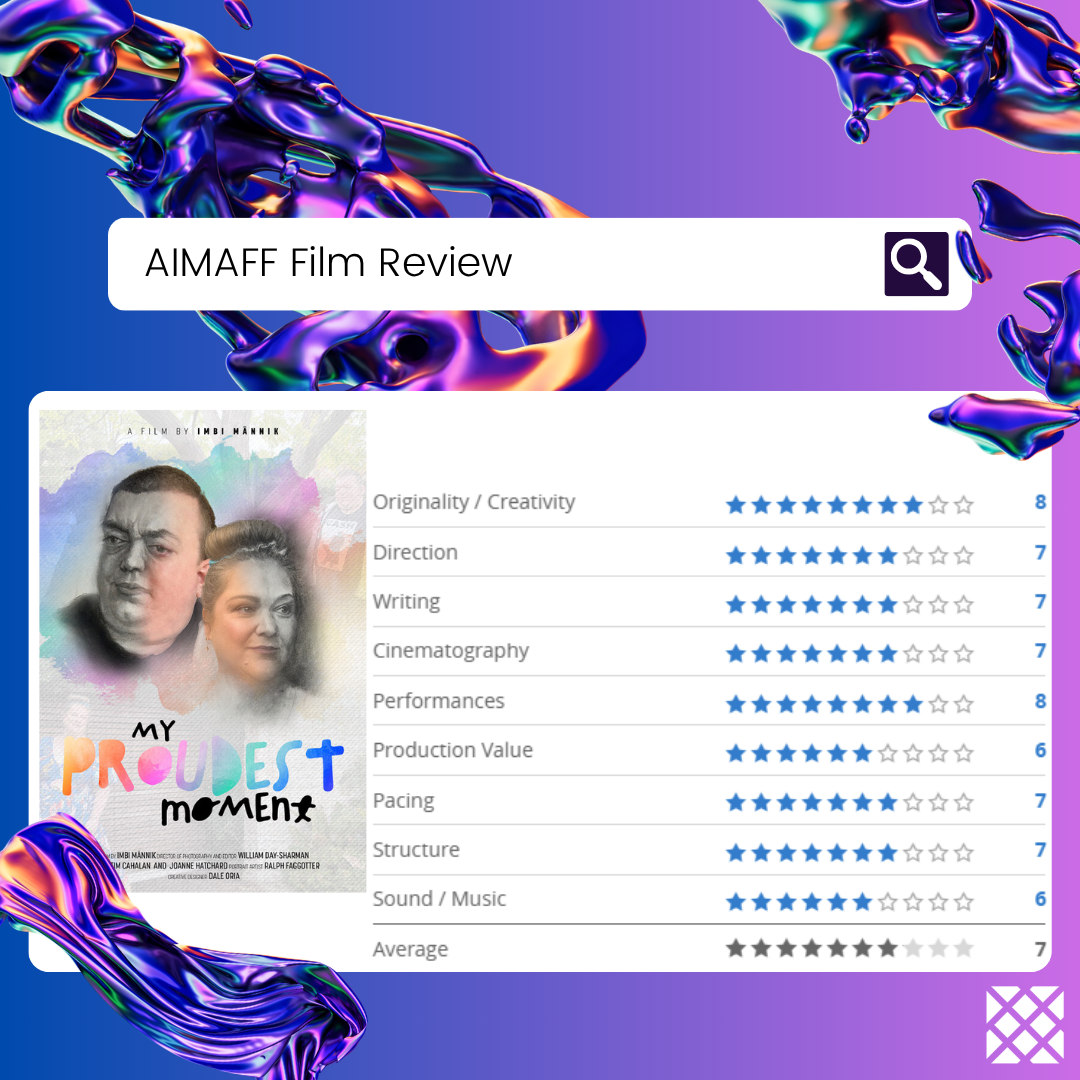
What defines a proud moment? Is it a trophy, a milestone, or simply finding the courage to rewrite the way the world sees you? My Proudest Moment, directed by Imbi Männik, chooses the latter, offering a heartfelt micro-documentary that celebrates resilience not through spectacle, but through authenticity.
In just a few minutes, the film introduces two remarkable Australians, Tim Cahalan and Joanne Hatchard, whose lives have become catalysts for changing conversations around disability and neurodivergence. Rather than focusing on hardship, Männik shifts the lens toward achievement, identity, and self-worth. It's a subtle but meaningful reframing that transforms the documentary from a story about disability into one about possibility.
One of the film's most touching creative choices is the live portrait illustration accompanying each interview.
Visually, the documentary is thoughtfully composed. Clean framing and intimate cinematography allow the personalities of its subjects to take center stage without unnecessary distraction.
More importantly, the film succeeds because of its people. Tim and Joanne possess an effortless warmth that immediately draws the audience in. Their openness, humor, and vulnerability transform what could have been an informational piece into something deeply human.
The documentary's greatest achievement is its optimism. At a time when discussions surrounding disability are often framed through adversity, My Proudest Moment deliberately chooses celebration. It reminds us that advocacy isn't only born from struggle it can also emerge from pride, confidence, and the joy of embracing who we are.
There are areas where the project could evolve further. The sound design occasionally lacks the polish of the visuals, and the single-location format gives the impression of a compelling proof of concept rather than a fully expanded documentary.
And perhaps that's the greatest compliment one can give the film it leaves you wanting more. The people introduced here deserve longer conversations, and Männik's compassionate perspective feels perfectly suited for a feature-length or episodic documentary exploring disability advocacy on a wider scale.