Prashant Singh's RUH Is a Haunting Psychological Puzzle
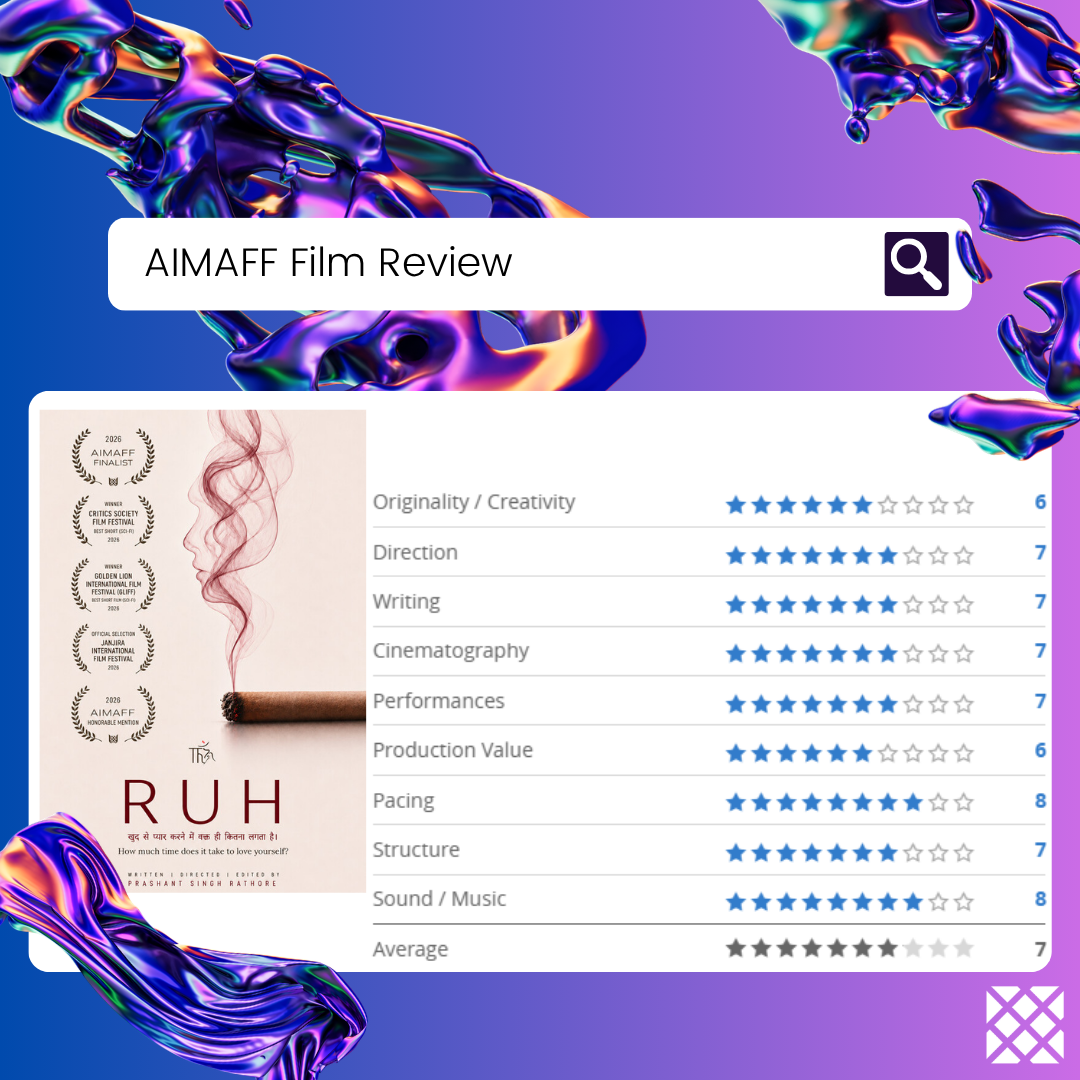
Prashant Singh's RUH begins as a quiet character study before gradually pulling the floor from beneath its audience, transforming an intimate portrait of isolation into a psychological maze where memory, love, and reality become impossible to separate.
At its center is Purushottam, a socially withdrawn engineer whose longing for connection drives him toward an experimental psychiatric treatment that promises companionship instead of cure. What follows isn't a conventional descent into madness but something far more unsettling: a slow erosion of certainty. Is Rachna real? Are memories reliable? Or are we simply watching a lonely mind rewrite its own story in search of comfort?
Singh wisely avoids relying on cheap scares. Instead, RUH builds its unease through atmosphere, allowing silence, repetition, and subtle psychological shifts to carry the weight. The film's strongest asset is its sound design, which quietly manipulates tension without announcing itself, while the crisp editing and confident pacing keep the mystery constantly evolving. The slice-of-life realism grounding the opening acts makes the eventual fractures in reality all the more effective, lending the film an emotional authenticity often missing from psychological horror.
The execution isn't flawless. The heavy use of vignette effects becomes visually repetitive, occasionally pulling attention away from the performances rather than supporting them. Likewise, the opening sequence lacks the dramatic and emotional sophistication that defines the rest of the film, creating a slightly uneven first impression. A more adventurous approach to framing could also have elevated the psychological themes, allowing the visuals to communicate as much as the screenplay does.
Still, these are relatively minor blemishes on an intriguing piece of filmmaking. RUH isn't interested in monsters hiding behind doors—it explores the monsters loneliness quietly builds within us. It's a thoughtful psychological horror film that trusts atmosphere over spectacle and questions over answers.
Sometimes the scariest place to lose yourself isn't a haunted house. It's your own memory.