The Silence Protocol: When the Truth Becomes the Suspect
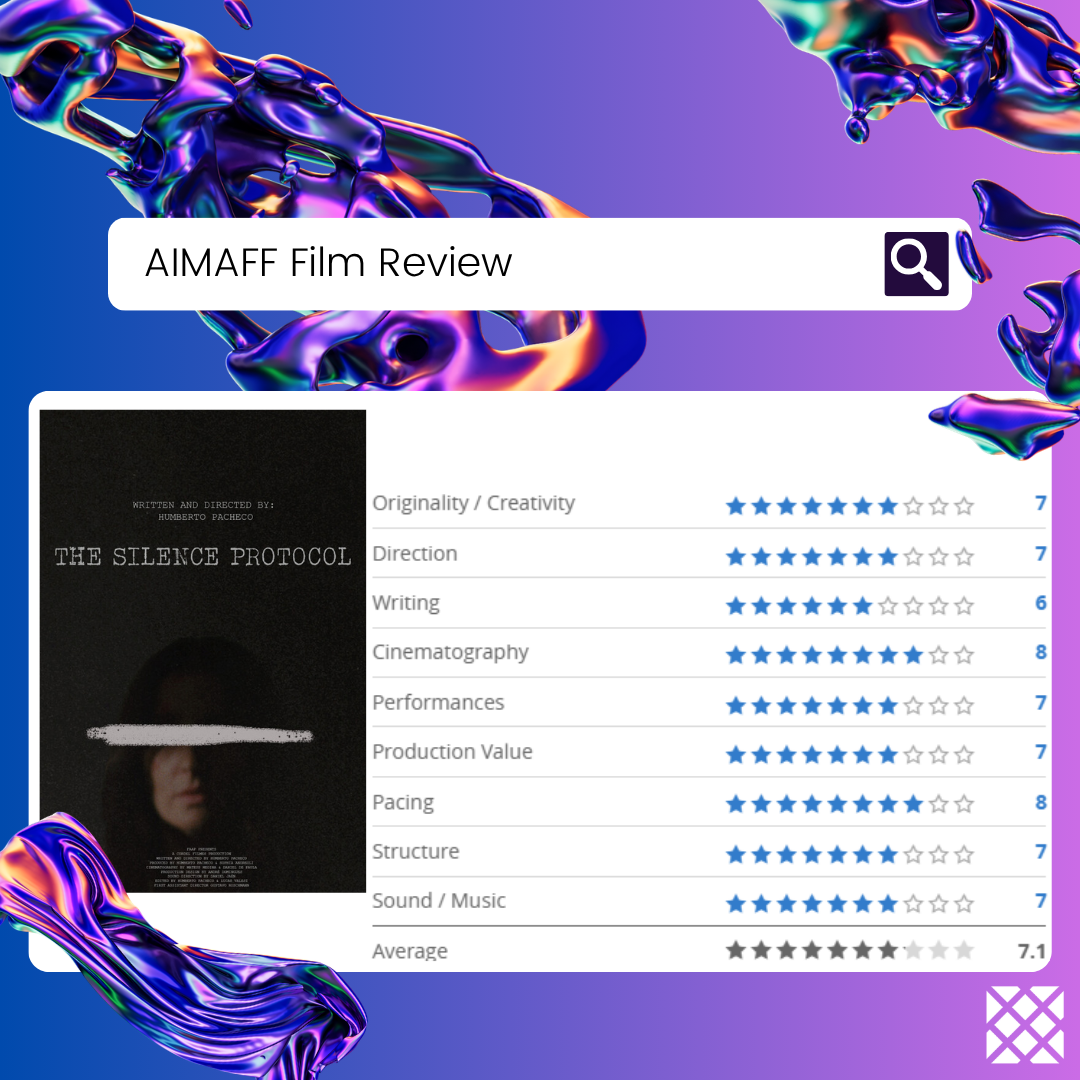
What is more dangerous, telling the truth, or trying to prove it? Humberto Pacheco's The Silence Protocol traps its audience inside it. Part psychological thriller, part institutional drama, the film explores the terrifying gray area where truth becomes negotiable and silence evolves into its own form of violence.
Clara, a newly appointed nurse in a neglected psychiatric hospital, stumbles upon acts of abuse that should never remain hidden. Yet the moment she attempts to expose them, the story shifts. Victim becomes suspect, testimony becomes uncertainty, and every answer she gives seems to tighten the noose around her credibility.
Pacheco demonstrates an impressive command of visual storytelling, using carefully composed framing to reinforce Clara's emotional isolation while never losing sight of the oppressive environment surrounding her. The cinematography is rich with texture, grain, vintage-inspired lenses, and subdued lighting give the film a tactile quality that feels both timeless and unsettling. Combined with crisp editing and deliberate pacing.
The performances further anchor the film's psychological weight. Clara's growing uncertainty feels painfully authentic, while the surrounding characters maintain just enough emotional opacity to keep the audience questioning every interaction. It's a thriller that understands atmosphere is often more frightening than spectacle.
The film isn't entirely without blemishes. Some of the makeup effects occasionally break the illusion, revealing their independent production roots, while the central interrogation sequences lack the visual finesse and dramatic precision found elsewhere in the film. They remain effective, but don't quite reach the cinematic standard established by the surrounding scenes.
For a young director, Humberto Pacheco displays a sophisticated understanding of mood, restraint, and visual language. The Silence Protocol isn't interested in providing easy answers but it invites us into a world where institutions manipulate reality, memories become unreliable, and silence speaks louder than confession.