Irem Koskos and the Beauty of Feeling Lost
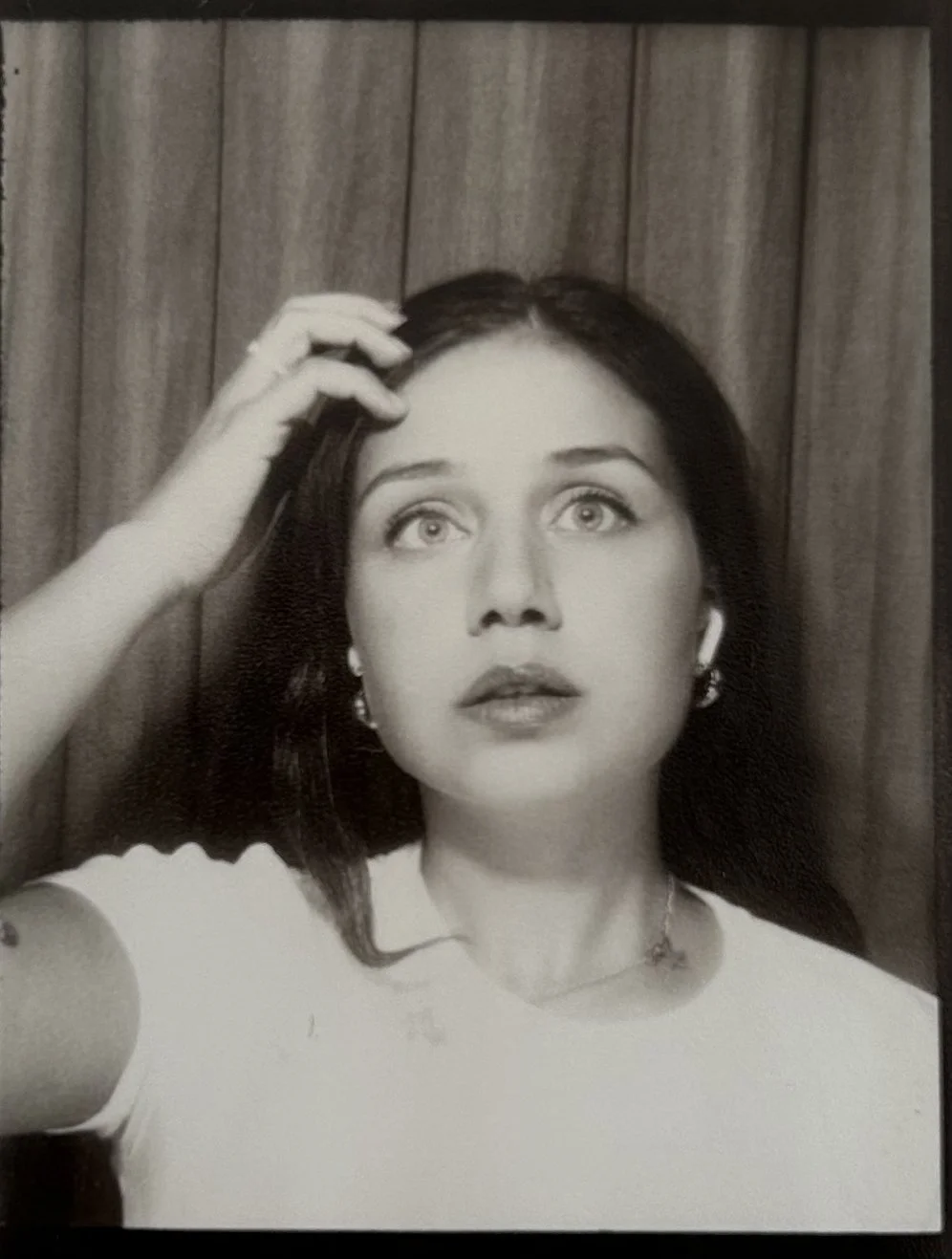
Welcome Irem, we are very excited to have you today with us to discuss about your work.
Who is Irem Koskos and how did the passion for creating begin?
My mother and I used to watch a lot of TV series together when I was little. I remember being so touched by some of them that I would go back to my room afterward, recreating the dialogues in the mirror, pretending I was the villain. I think those moments sparked the first flames of filmmaking in me.
Then I wrote my first mini play when I was in 4th grade, and some of my friends reenacted it on Republic Day at school.
I always thought that making people feel something through the screen was magical.
All of these made me go to film school and choose it as a career.
Can you tell us a bit about your previous work?
I usually work on fashion films, directing visual content for brands and help them create stories.
Cracks On The Road feels both intimate and universal. What first inspired this story of a young woman confronting her anxiety in an unfamiliar city?
I guess the last two years of my life were the loneliest I’ve ever felt. A lot of people in my life changed, and I found myself in a completely new environment. That gave me the urge to take solo trips, usually to places where I knew nobody. I think I wanted to escape that new order and feel free. Although it was really liberating and gave me a lot of confidence, I think I underestimated how lonely it can get. You tend to question things more when you’re in a completely strange city by yourself. That is both a gift and a struggle.
CONVERSATION ABOUT: ''Cracks On The Road''
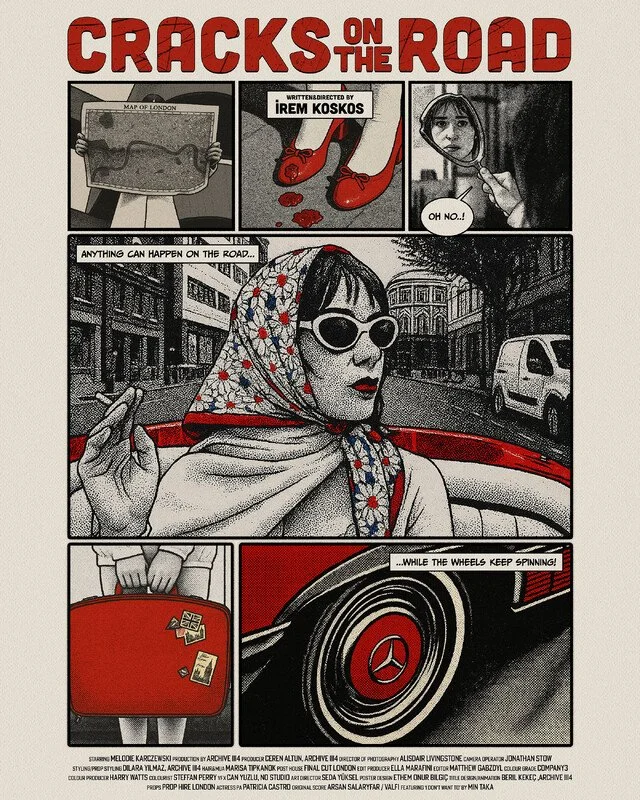
This film blends fashion imagery with experimental storytelling. How do you see fashion functioning within the emotional arc is it armor, expression, burden, or transformation?
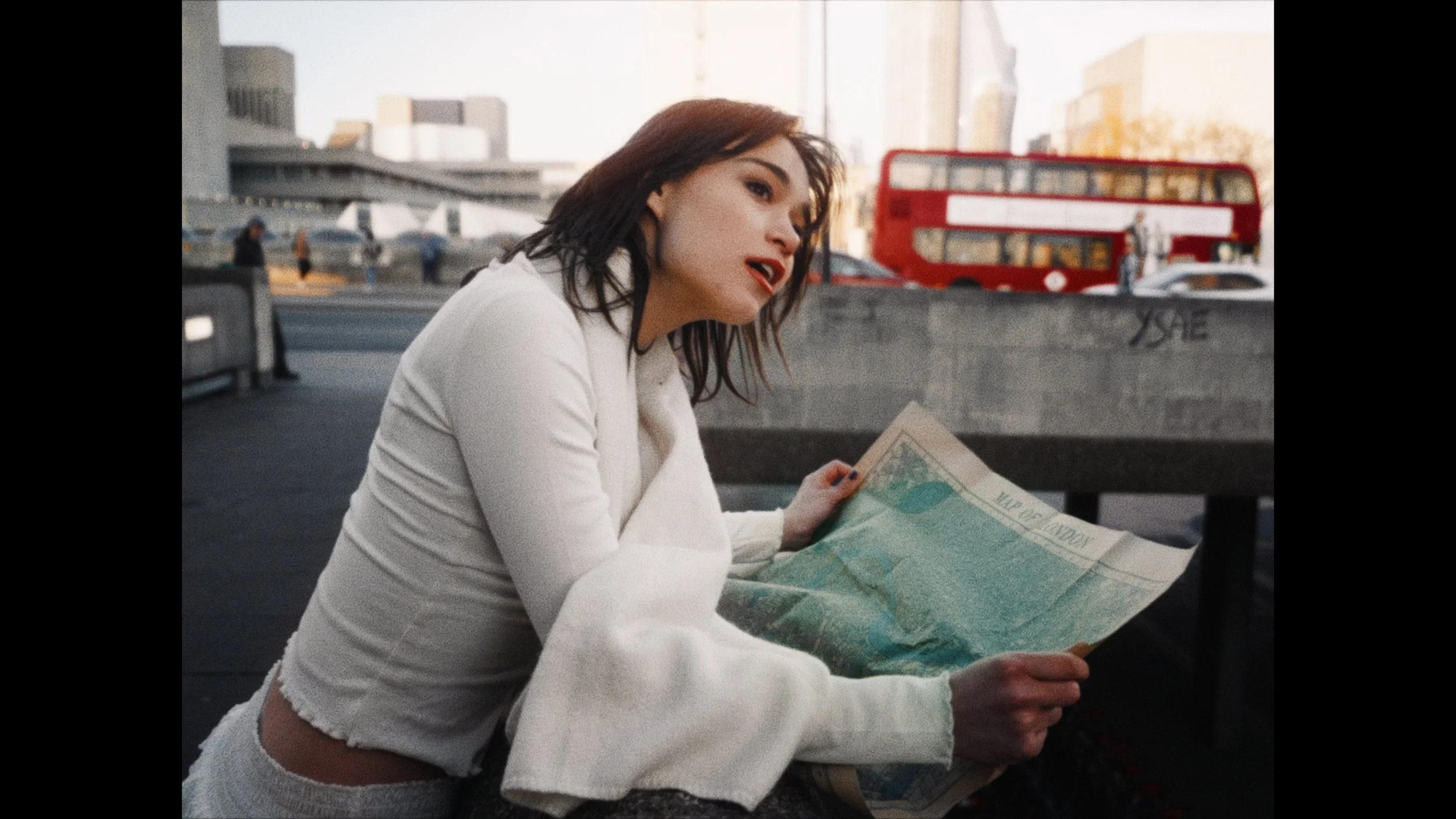
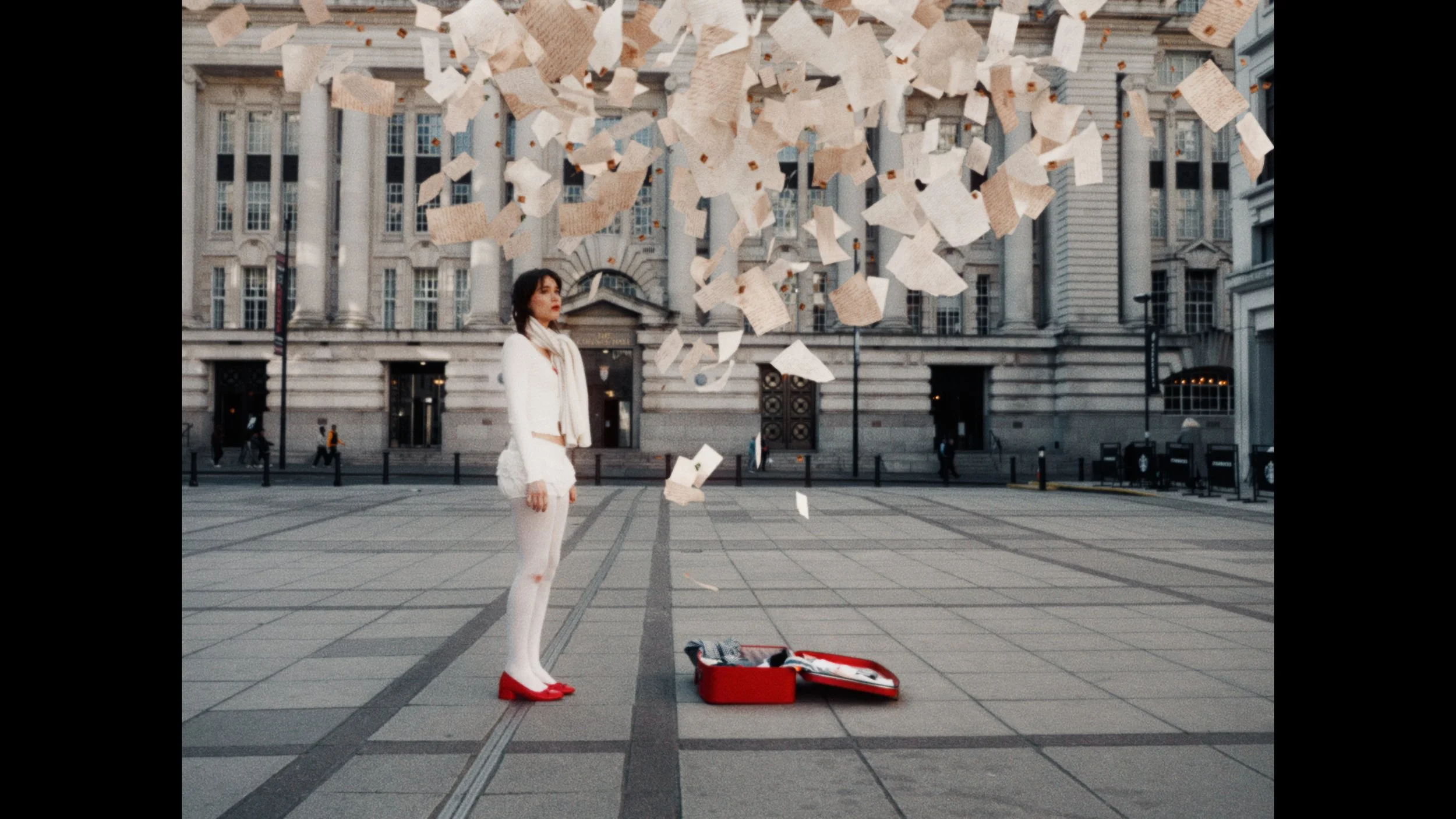
I definitely see it as a tool of expression. In the film, it was intentional for the character to dress a little differently from the crowd—almost a bit ridiculous with the baby shorts—to show how alienated she feels in the middle of strangers. She was also annoyed with her scarf, which felt like a burden to carry, and she eventually got rid of it. The decision to make her wear all white and have it get dirtier was also heavily connected to what she was telling the audience. The funny thing is that even though we filmed with a small crew, everyone kept looking at her while she was acting. Nobody looked at the camera or the crew.
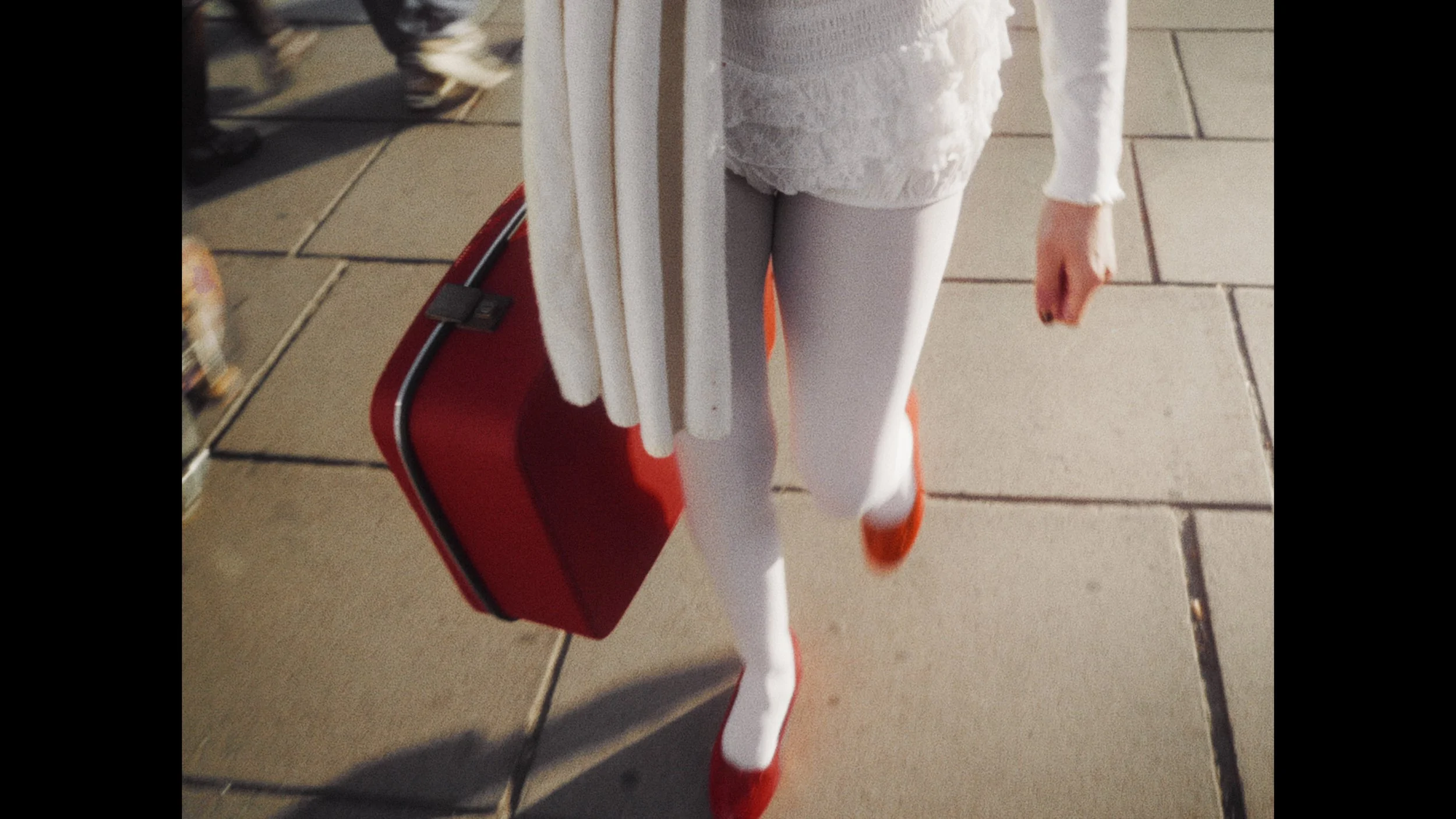
The city itself feels like a character. What does the urban landscape represent emotionally within the film?
London, as a city, is one of the most beautifully chaotic places I’ve ever visited. I shot the film during my second visit, because the first time I was there, I felt everything I wanted to express in the film. Being both a vast, cold city and a home to so many strangers, it felt like the perfect place to reflect the emotional rollercoaster I was in.
Did any unexpected moments or spontaneous accidents during shooting influence the final film?
We were very lucky in that sense, I would say. We only had one day to shoot, and since it was my first time filming in a different country, I was pretty nervous. However, the crew and Melodie made everything so easy. The jam from the donut dropped perfectly, the weather was nice, and the map flew away so beautifully. Everything I was worried about — mainly the donut and the map — ended up working out perfectly.
What emotion do you hope viewers carry with them long after the film ends?
Although the plot is based on a very personal experience, I think the feeling of being trapped in your own thoughts sometimes is universal. Letting go is a choice, even if it becomes possible only after convincing yourself—again and again—that you are not a disappointment. I hope that whoever watches it can establish a bond with her and feel understood, and also remind themselves to break free in the end.
In future projects, do you plan to explore similar genre intersections, or are there other genres you're eager to explore ?
I’ve always been drawn to drama, and I’d say I’m especially interested in exploring it through the perspective of young women. Being in your twenties and trying to figure out life on your own is such an intense experience, and there are so many stories that can be derived from it.
In one sentence: How would you describe Cracks On The Road to someone who’s never seen an experimental fashion film before?
Close your eyes and let the words and visuals take you wherever your mind belongs—you’ll eventually see what you want to see and hear what you want to hear.