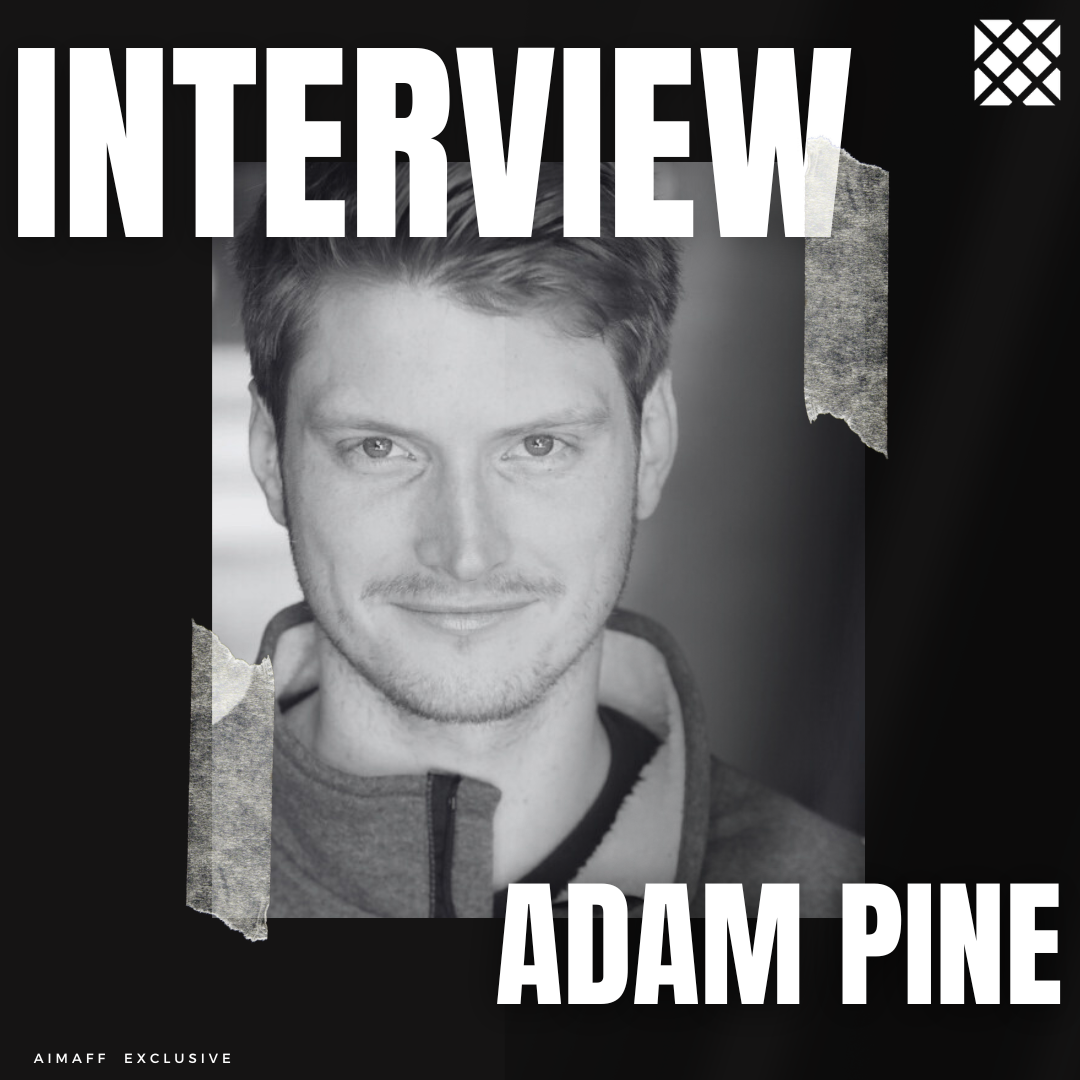
Adam Pine on Urban Fear, Human Connection, and His Biggest Film Yet
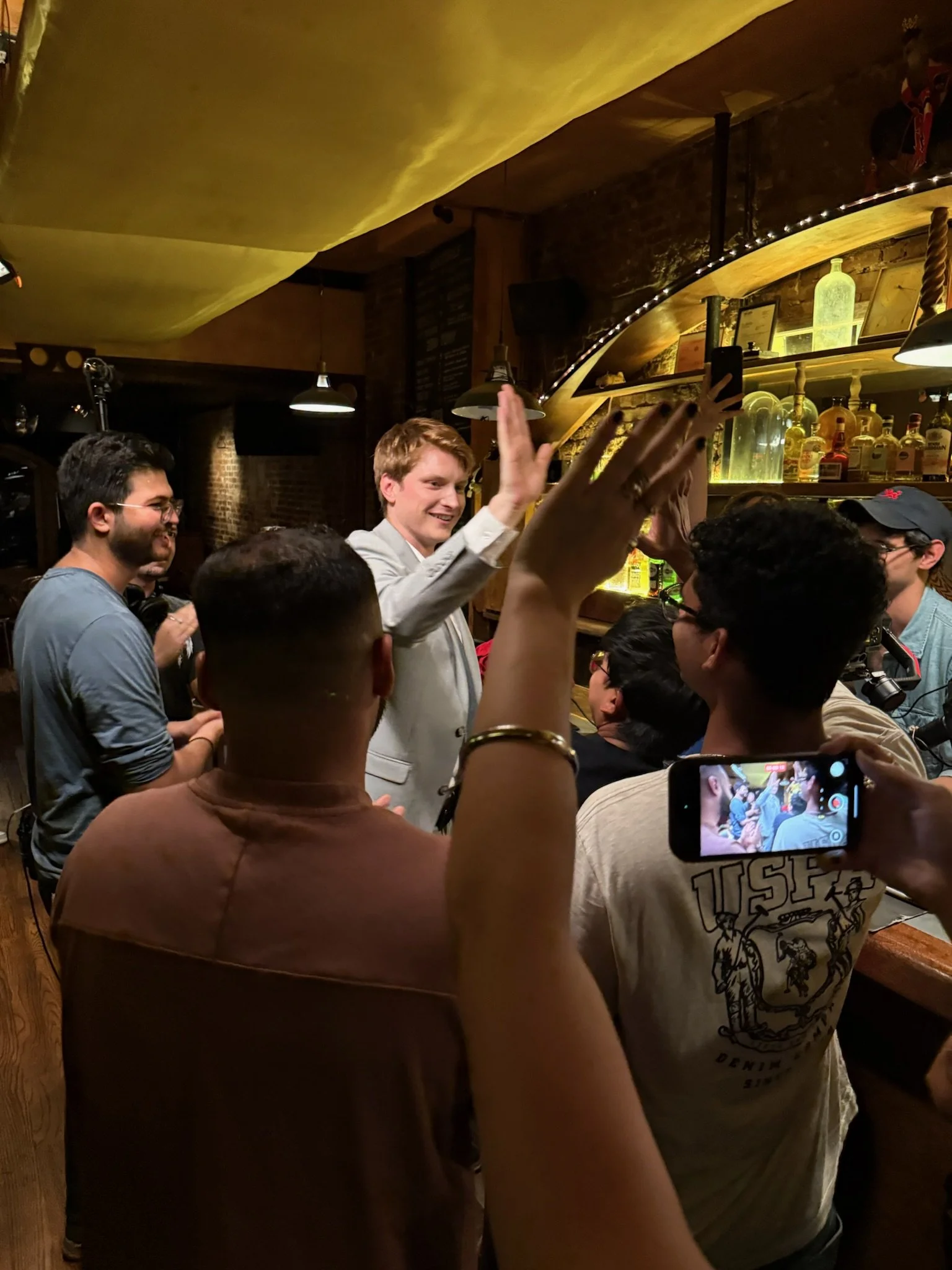
Welcome Adam, we are very excited to have you today with us to discuss about your work.
Who is Adam Pine and how did the passion for creating begin?
Adam Pine is an actor, director, writer and producer from Washington, DC. My passion for creating began later I think than most when I was encouraged to take an acting class for the first time at 19 years old. Before that I was an athlete with dreams of playing professional soccer. I was lucky enough to have a wonderful teacher in my first acting class at the TheaterLab in Washington, DC who believed in me and encouraged me to continue my artistic journey after spotting some talent during our sessions. That led me to studying theater at Hunter College in NYC and on to today with Ward 6 Productions, an independent production company that I started alongside my brother Sean Pine, through which we have produced all of our short films.
Can you tell us a bit about your previous work?
Our previous work has been a wonderful journey to be a part of. Including Another Day in New York we have now made 6 short films in 4 different cities across the United States. We started making them for nothing and have slowly worked our way up to increasingly larger budgets and films of larger scope and scale. It’s been a lesson in self-discovery and collaboration and is by far the highlight of my professional career.
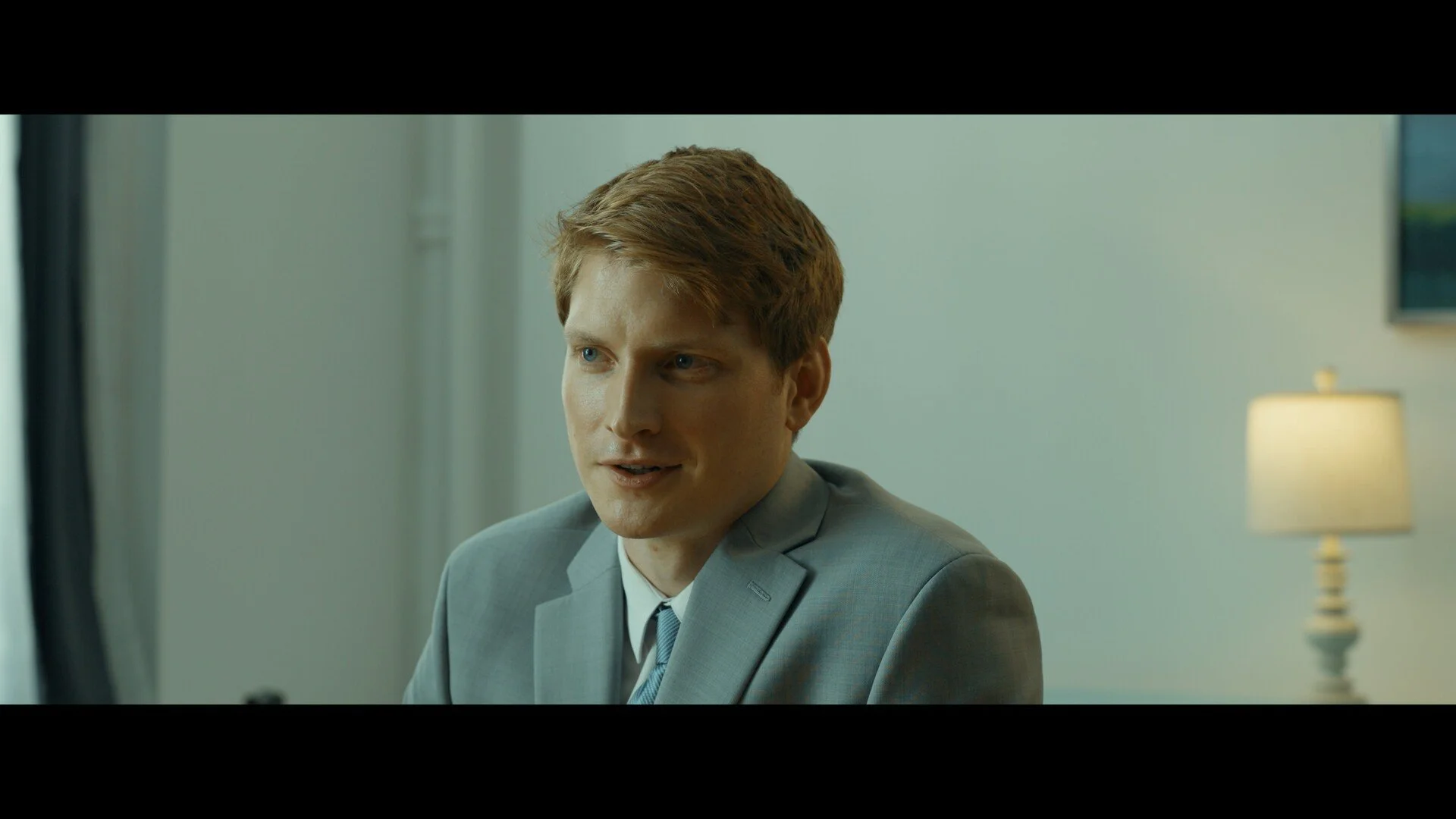
Every project begins with a spark. Was Another Day in New York born from a particular image, a real-life encounter, or simply the question, "What if?" ?
Another Day In New York began in the mind of our writer for the project, Francesco Paola. He has lived in New York City for over 25 years now but would often travel for work. On his trips, he would engage with people who would express their fears of New York or rumors they’d heard or just talk about how dangerous it is. That prompted him to write this story as a sort of “get-back” to those people. A challenge to them to say - it is dangerous, so what? Having lived in New York for several years during college myself, it was a sentiment that I shared. So I jumped at the opportunity once I read the script.
CONVERSATION ABOUT: ‘‘ANOTHER DAY IN NEW YORK’’
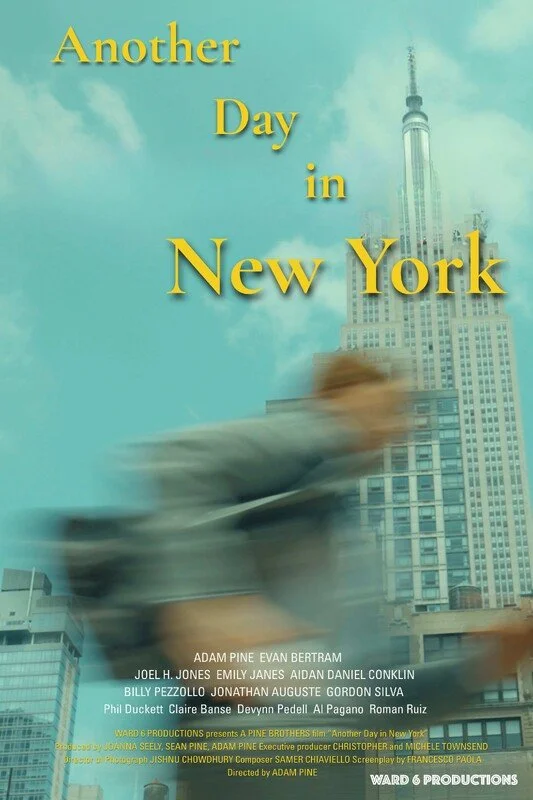
At its core, would you describe Another Day in New York as a thriller, a character drama, or ultimately a film about human connection?
I think it definitely has bits of all of those elements. Ultimately our goal was to express the mundaneity of the dangers that are present in everyday urban life. It definitely leans more towards what you would consider a thriller but the film’s heart is rooted in the dangers and fears of the human experience.
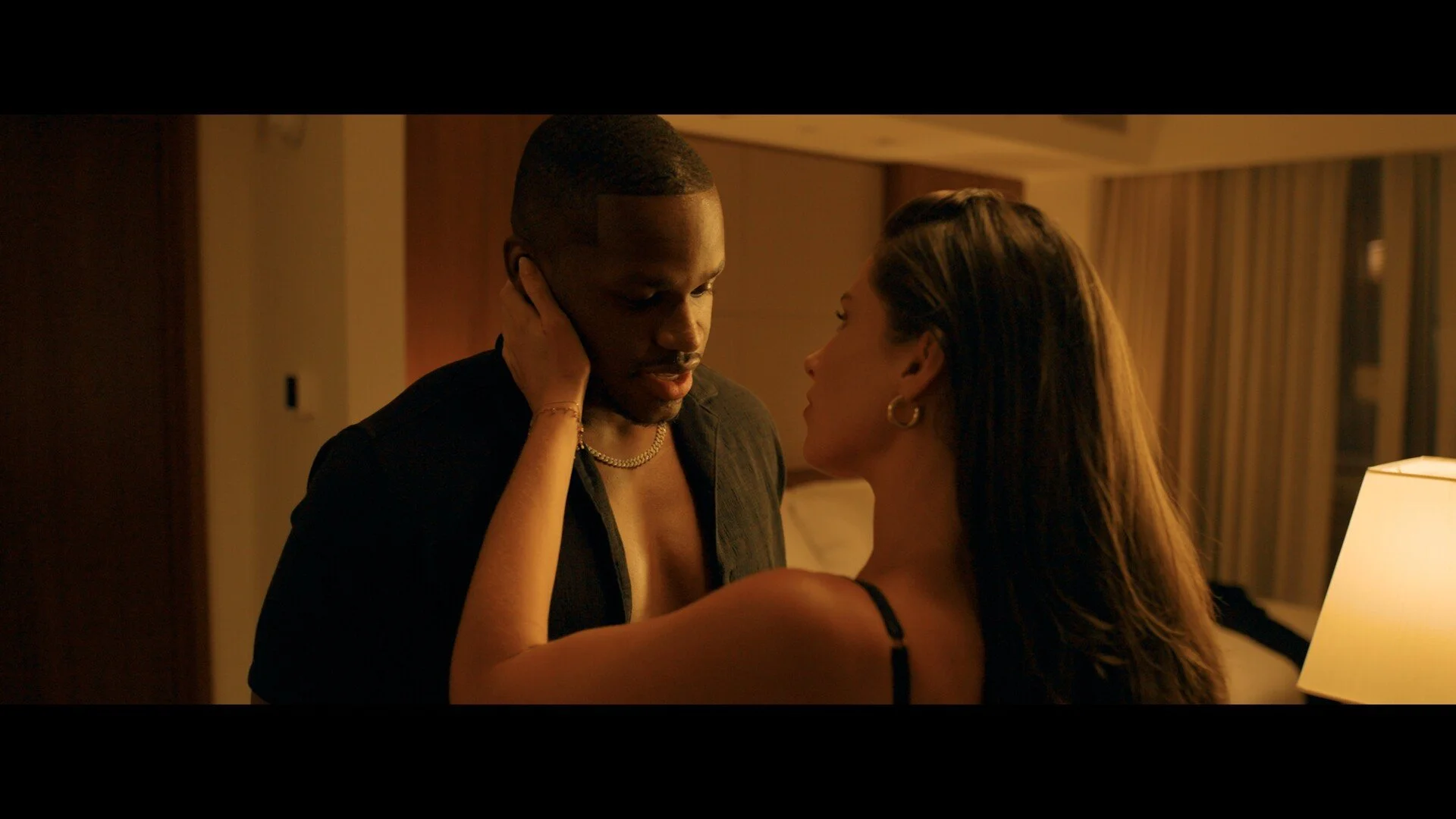
Were there moments during rehearsals or production where your actors revealed dimensions of their characters that weren't originally on the page?
Definitely. Throughout production the performances of the actors made shooting this film extremely simple. I think the best example though would be in chapter 2, during the scene when Carol and John first enter the apartment. We cleared the room and it was just myself, and the two actors. I gave them some brief blocking direction and then let them run through it. You would’ve thought they had been rehearsing it for weeks. I had almost no notes. And what you see in the final cut is essentially what they did in that first walk through. Also in chapter 3, since we shot that chapter first, the energy that all 4 actors brought straight from the offset really set the tone for the entire shoot.
What does New York symbolize for you personally, opportunity, chaos, reinvention, or something entirely different?
New York is the greatest city in America and you could argue the greatest in the world. It symbolizes everything that America is. It’s everything we aspire to be, but it also has everything we try to hide or are afraid of. There’s danger around every corner, but there are also good people around every corner. New York is the best and the worst of everything America has to offer, depending how you look at it. I choose the best.
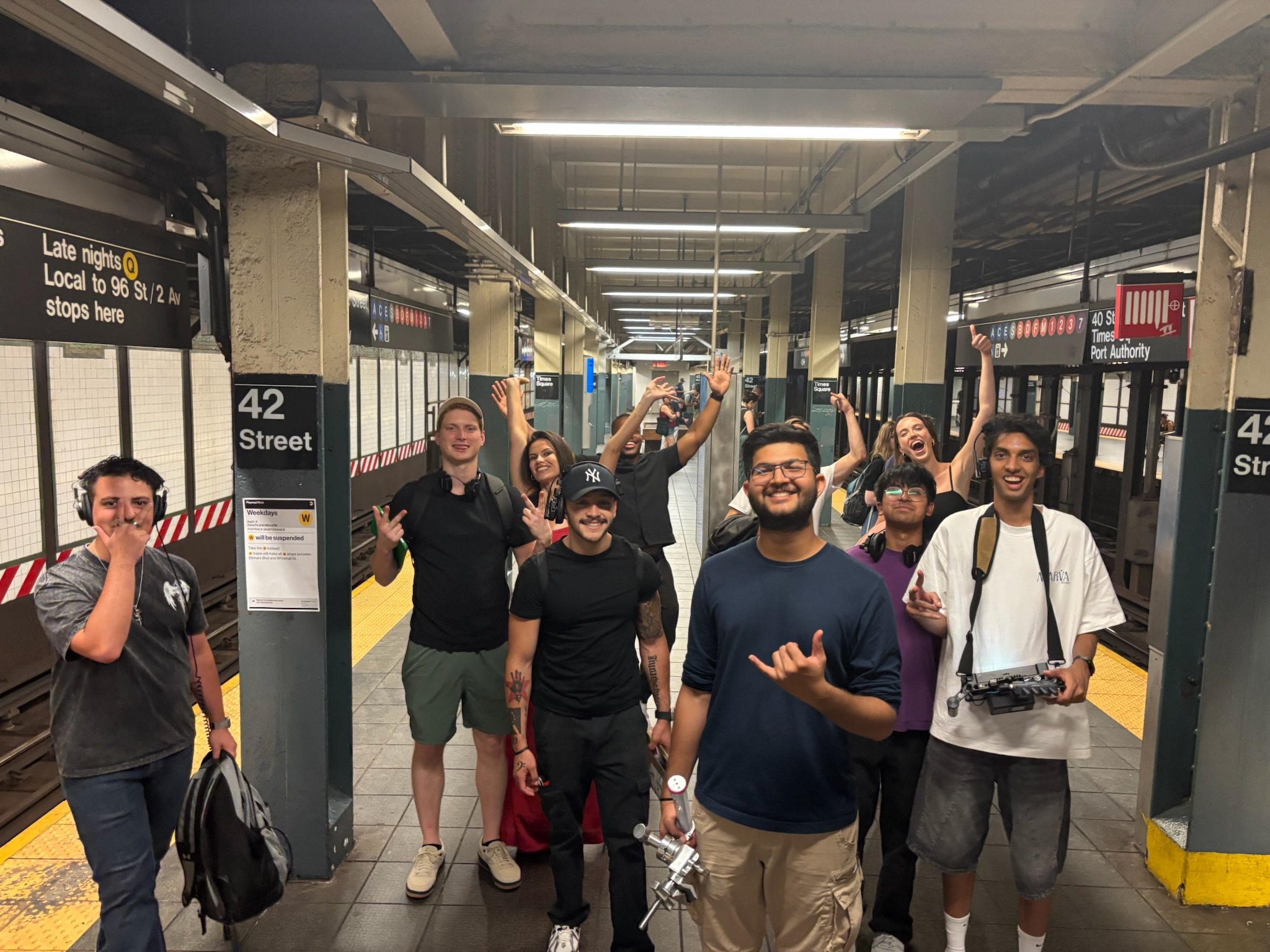
This is your largest production to date. What creative or technical challenge pushed you the furthest as a filmmaker?
The two biggest things that I had to improve on for this production were my stamina to handle the much longer shoot, and my leadership skills to manage the largest team we’ve had to put together. Creatively I felt like I was flowing better than ever, but the main things I always had to remind myself of are - get some sleep to be ready for the next day, and trust your team. When doing larger productions like this, the team you surround yourself with is critical and you have to trust them and allow them to operate at the best of their ability. Facilitating your team’s excellence allows you to be excellent. And we were able to do just that.
In future projects, do you plan to explore similar genre intersections, or are there other genres you're eager to explore ?
I think you will definitely see more intersection of genres in our future work. Maybe not so obvious as we did with Another Day in New York, with it being anthology style and having the separate stories split into chapters, but my brother and I like to think that the idea of genres can be limiting in of itself. All films mix tactics to achieve their ultimate goal of what they want the audience to feel or how they want the audience to react to what they’re seeing. So I think you’ll see us doing films of several different genres in the future.
Our real next goal, now that we’ve proven we can make a longer film, is to tell a full, rounded, feature length story. We have several ideas that we hope to explore moving forward.
If you could sum up the film’s core question in a single sentence that would make someone want to watch it immediately, what would it be?
Do you ever really know what’s happening in the apartment next door?