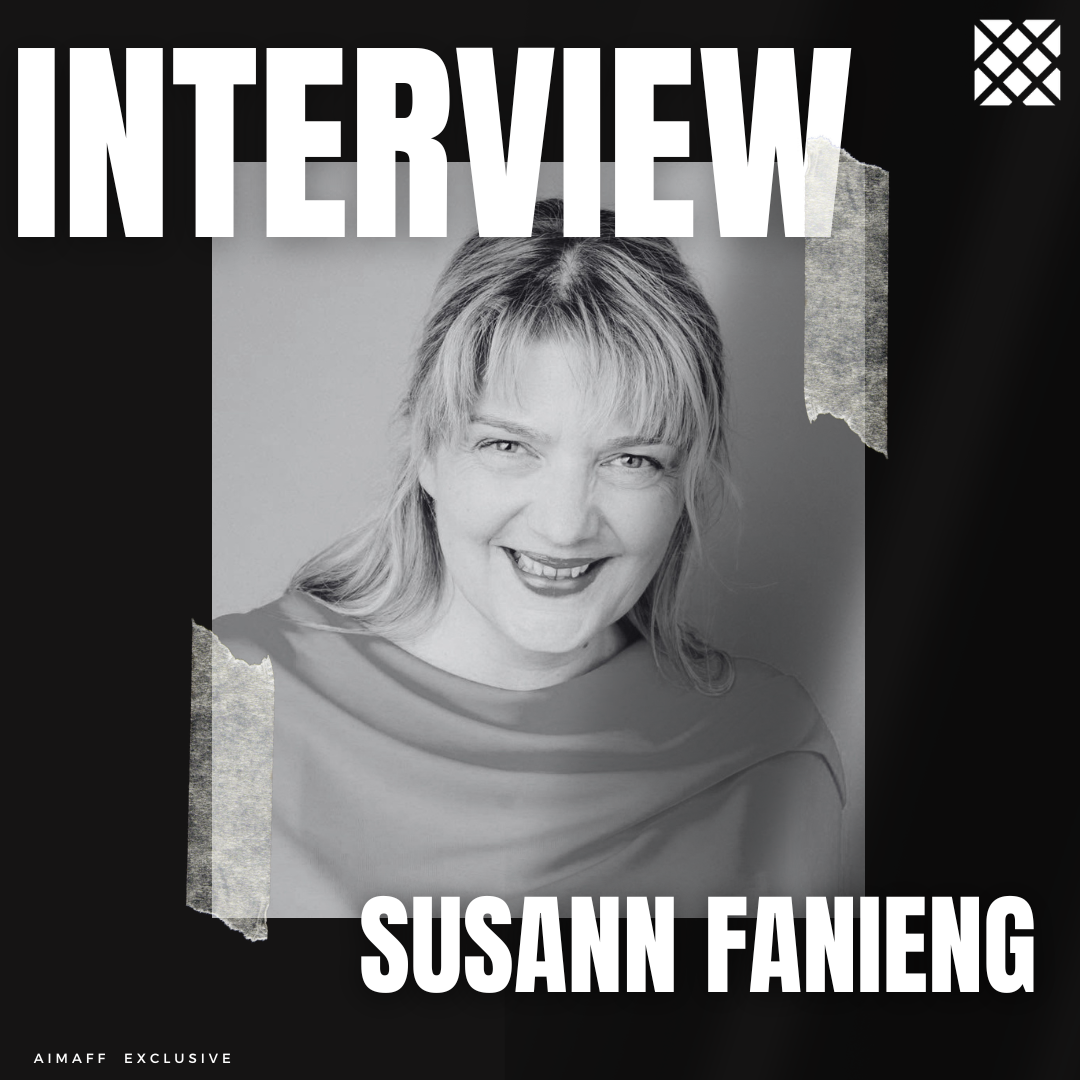
Susann Fanieng: The Stories Behind Our Deepest Wounds

Welcome Susann, we are very excited to have you today with us to discuss about your work.
Who is Susann Fanieng and how did the passion for creating begin?
My passion for filmmaking began in a way I never expected, during the COVID pandemic. I had just started my acting training when the lockdowns brought everything to a standstill. Looking for a creative outlet, I wrote a stage play that could have been performed either online or on stage under the social distancing rules at the time. Although it was never produced, I discovered how much I loved creating stories. That curiosity led me to complete a one year screenwriting course, where I wrote my first screenplay. Once it was finished, I wanted to see the story come to life, not just remain on paper. Together with fellow actors and film students, I turned it into my first short film and directed it myself.
Looking back, that was the beginning of a journey that continues today. At the heart of everything I do is the desire to share what I see in my mind, sometimes through words, sometimes through images. Whether I work as a screenwriter, director, actress, or novelist, the medium changes, but the passion remains the same. I tell stories. That is the heart of everything I do.
Can you tell us a bit about your previous work?
My previous work is as diverse as the stories I want to tell. Film is an important part of my creative work, but it is not the only one. For me, every project begins with a story. Some stories want to become a film, others a novel or a stage play. What fascinates me most is the creative process, finding the form that allows each story to be told in the best possible way. This approach is reflected in my work. Interference is my second short film, for which I wrote the screenplay and directed the production. The film has been nominated at several international film festivals. My third short film, The Dollhouse, is currently in post production.
Alongside filmmaking, I have won several awards for my short stories, completed my first novel, and I am currently developing a new stage play. I see every project as an opportunity to explore a different way of telling a story.
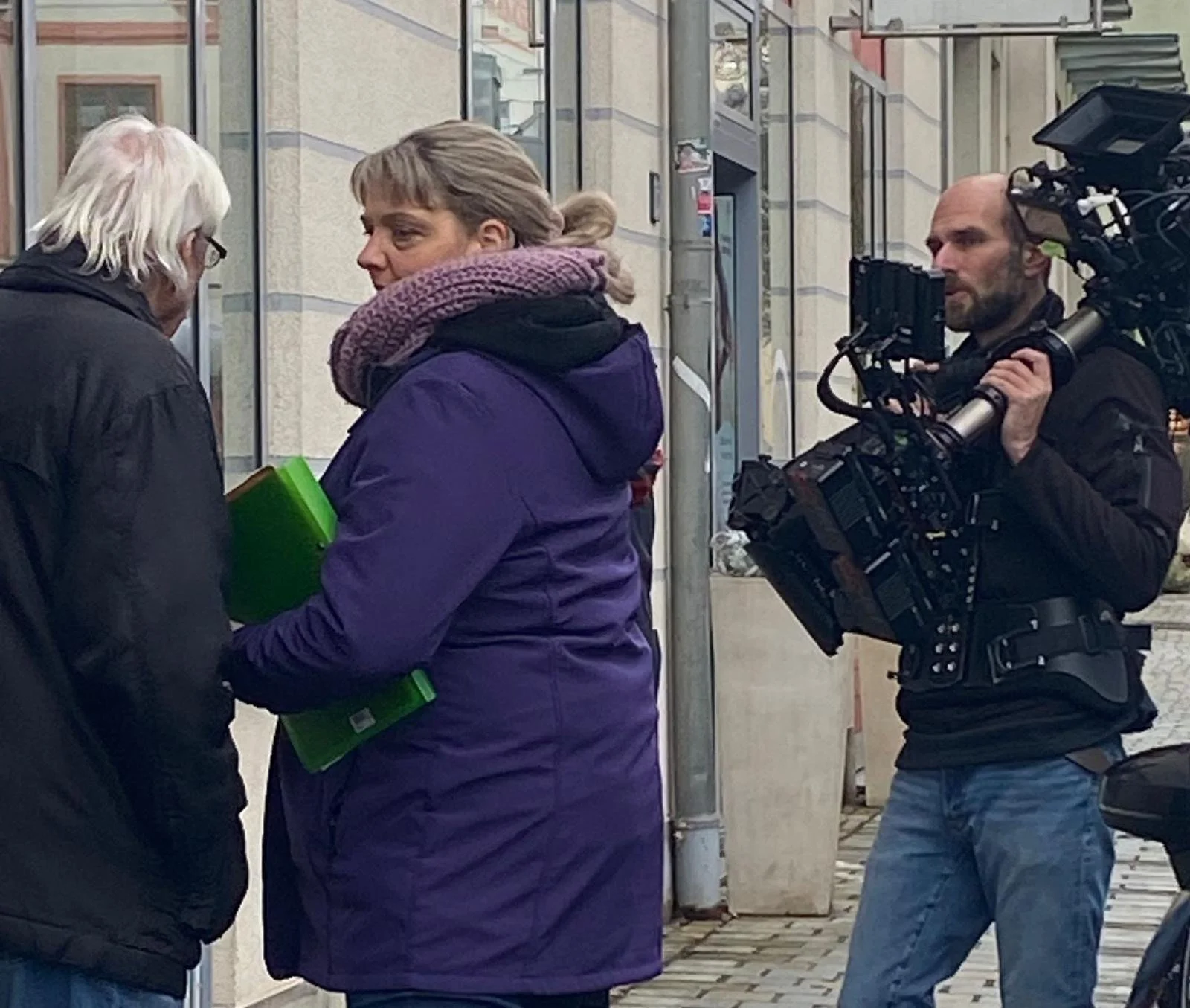
Every film begins with a spark. What was the first image, emotion, or question that inspired Interference?
The first spark for Interference came from producer and lead actress Sabrina Dietel. She told me about a dream involving a stalker and a woman who kills. More than the thriller premise itself, I was fascinated by the characters behind the story. To me, neither of them was simply a perpetrator or a victim. I wanted to understand why they act the way they do. I am less interested in asking whether someone is good or evil than in understanding how people become who they are. From the very beginning, it was important to me that Interference would be more than a thriller. Beneath the plot, I wanted to tell a story about loss, loneliness, and emotional trauma.
I am fascinated by the question of how people are shaped by their experiences and what happens when they are left alone with their pain. That idea became the emotional core that guided both the screenplay and my work as a director. For me, Interference is ultimately not the story of a stalker and a murderer, but of two people who needed help and never learned how to live with their pain.
CONVERSATION ABOUT: ‘‘Interference’’
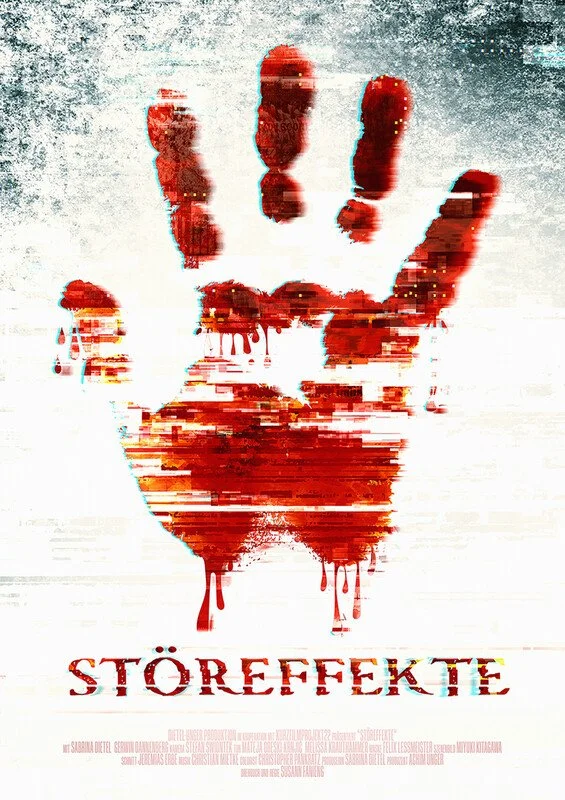
At its core, Interference explores what happens when unresolved trauma collides with unexpected human connection. What fascinated you most about that emotional intersection?
What fascinates me most in stories is the question of how people connect with one another, and why that connection sometimes fails precisely when they need it most. To me, trauma is not only about suffering. It changes the way people see the world and the people around them. Sometimes it takes away the very things they long for most: trust, closeness, and the ability to truly let another person in. That was the emotional question I wanted to explore in Interference.
At its heart, the film is not only about two traumatized people meeting, but about whether genuine human connection is still possible when both are prisoners of their own past. What moves me about this idea is that it reaches far beyond the story itself. Most of us carry experiences that shape who we become. They may not lead to the extremes shown in the film, but they influence how we love, how we trust, and how we see one another. That is what I wanted to reveal beneath the surface of the thriller.
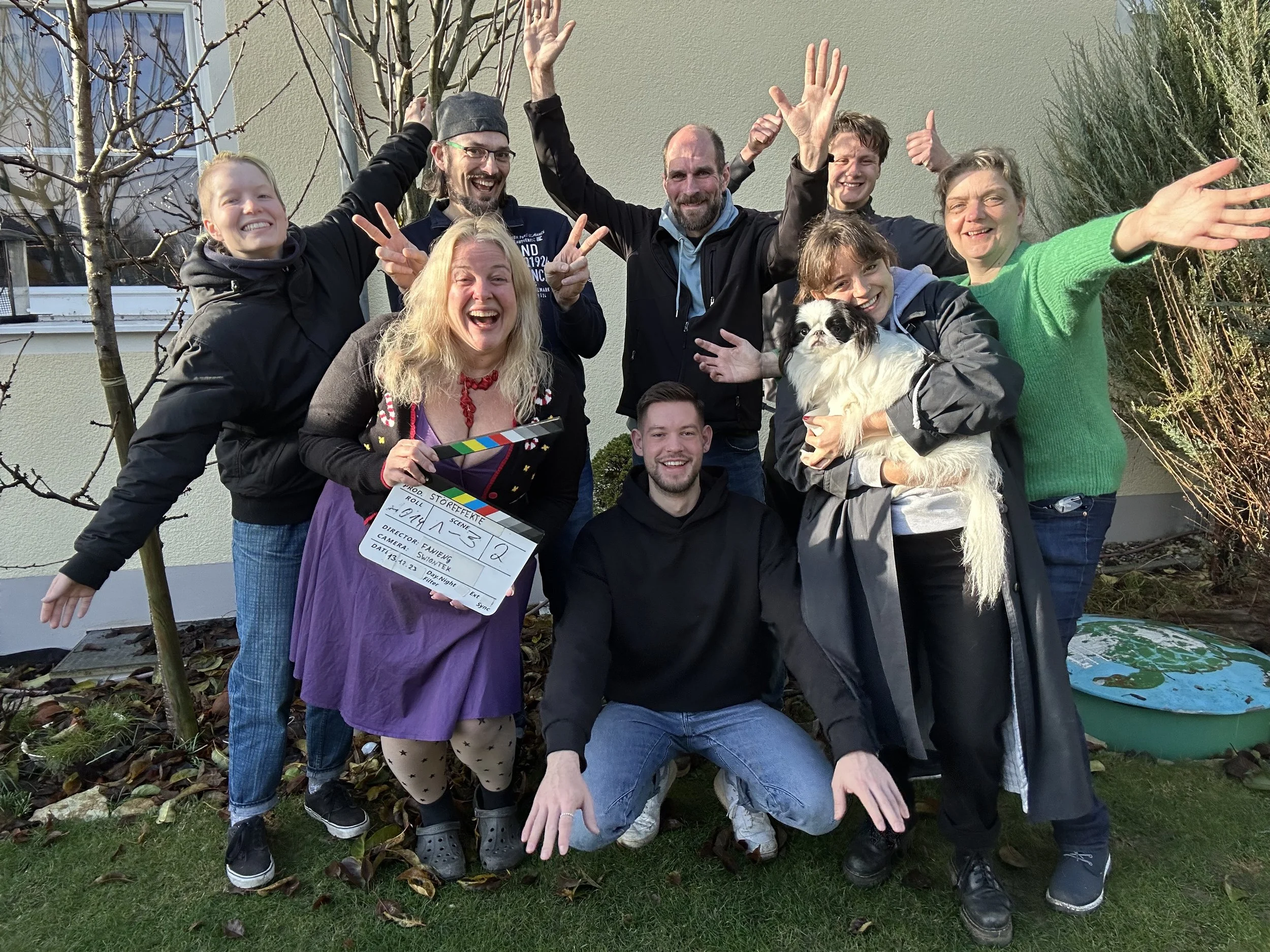
Johanna and Tim are connected by pain, yet they process it in completely different ways. How did you develop these two contrasting emotional journeys?
I am fascinated by the question of why the same pain can lead people in different directions. Not because one person’s suffering is greater than another’s, but because each of us searches for our own way of living with what has shaped us. Although Johanna and Tim seem to deal with their pain differently, to me they both grow from the same emotional wound. They are prisoners of their past, driven to extreme actions because a healthy way of dealing with their trauma no longer seems possible. What separates them is not the depth of their pain, but the direction it takes. Tim longs for love and human connection, while Johanna is driven by justice and the guilt she carries over her sister’s death.
What interested me most was how trauma changes our ability to connect with others. Some people can still put their feelings into words. Others lose that ability. And even when one person reaches out, a genuine connection can fail because the other can no longer receive it. To me, that is the tragedy. The deepest wounds change not only what people do. They also change whether people are still able to truly meet one another.
You have worked as a lawyer, actress, screenwriter, and director. How have these very different experiences shaped the filmmaker you’ve become today?
I believe my professional experiences have taught me one essential lesson. Behind every conflict, there is a human being. That insight has shaped the way I make films. As a lawyer, I learned that people rarely act without a reason. Even when they stand on opposite sides of a conflict, each believes they are pursuing a legitimate claim. I also realized that what people truly seek is often not a judgment. They want their suffering to be acknowledged, someone to take responsibility, or simply to hear the words, “I’m sorry.” I once had a client who did not win the case, yet left the courtroom feeling they had won because the other side had sincerely apologized. As an actress, I discovered that genuine emotions cannot be instructed. They need trust, time, and the freedom to develop. As a director, I try to create that space rather than dictate emotions. That understanding shapes every part of my work. It shapes the way I work with actors, the way I write, and ultimately the way I direct. I write down the film I see in my mind. For me, every film begins long before the first shot.
Were there any specific choices regarding lenses, framing, or camera movement that helped distinguish moments of reality from the characters’ psychological experiences?
For me, there was never a clear visual separation between reality and the characters inner experiences. In real life, we do not experience our emotions separately from reality. They constantly shape the way we perceive the world. I wanted the emotional layer to exist as subtext within the characters everyday actions. Rather than creating different realities, our visual language explored how the same reality can be experienced differently. Tim’s world feels quiet, restrained and almost frozen, while Johanna’s is more colorful, restless and constantly moving. Close ups and detail shots, such as a pair of eyes or a crumpled flower, bring small moments into sharp focus, reflecting how memories and emotions often remain with us as vivid fragments instead of complete pictures. Instead of telling the audience what to think, I wanted the camera to create a space where they could simply observe both characters. What they make of them is their own experience. I developed this visual approach together with our Director of Photography, Stefan Swiontek. I think in images, atmosphere and emotions rather than camera technology. I described how each scene should feel and what it should evoke. Stefan translated those ideas into a visual language.
In future projects, do you plan to explore similar genre intersections, or are there other genres you're eager to explore ?
I do not plan my future projects around genres. Stories always come first. They often begin with a small observation from everyday life or with a character who suddenly appears in my imagination and starts telling me their story. I am fascinated by the small moments between people that often go unnoticed in everyday life. Only when I truly understand what a story wants to say does its cinematic form begin to emerge. Then the visual language, atmosphere, rhythm and finally the genre reveal themselves. That is why I am open to many different genres. Not because I want to explore them for their own sake, but because every story brings its own cinematic form. My third short film, The Dollhouse is a mystery. I also admire the classic film noir films of the nineteen forties. I would love to create a film in which music plays a central dramatic role. Stop motion also fascinates me as an artistic form of expression. Whatever the genre, my interest always remains the same. I want to tell stories that look at people and their relationships with curiosity and invite audiences to look more closely before judging.
If you could sum up the film’s core question in a single sentence that would make someone want to watch it immediately, what would it be?
Perhaps the core question of the film can best be summed up by asking just one question: What if love left you not with hope, but with its abyss?