It’s Never About the Pants: Trinette Faint on Party Pants
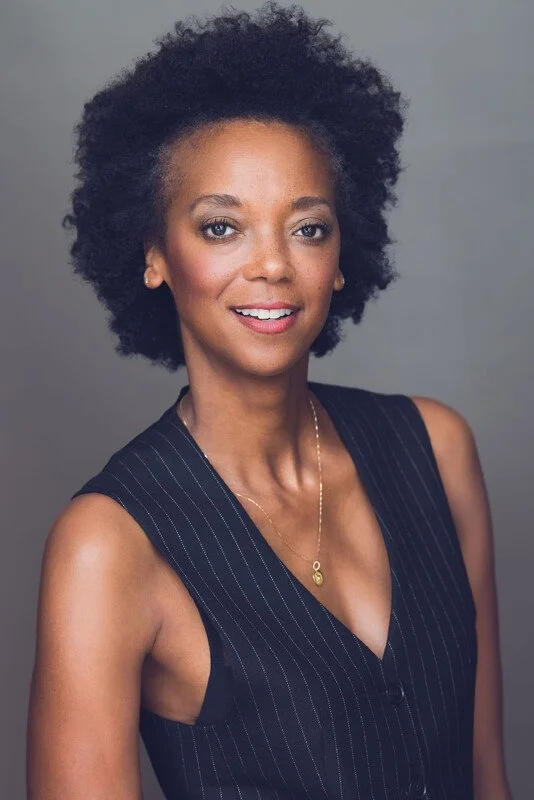
Welcome Trinette, we are very excited to have you today with us to discuss about your work.
Who is Trinette Faint and how did the passion for creating begin?
I’ve always been a creator. I began modeling, aged 16, in Chicago and fashion was my first foray into storytelling. It was in that world that I first understood storytelling and collaborating with a team to make a great photo. I never achieved commercial success as a model, but loved being surrounded by all the creativity and it stayed with me. Eventually, I began to write and published two novels (Collette’s Caleb & MidCoast Star), which led to screenwriting.
Can you tell us a bit about your previous work?
Prior to writing Party Pants I’d written a few other screenplays: my TV pilots, Collette’s Caleb & Peri Does Europe, and my dramatic feature Irish Morning. Prior to these, I published the aforementioned novels. I’ve also published essays in Suitcase and Vogue Knitting magazines. As for acting before Party Pants, I’d been a commercial actress and voiced national ads.
Party Pants is a wonderfully mischievous title. At first it sounds playful, but by the end it carries a much deeper meaning. How did you land on the title, and what does it represent to you?
The title just popped into my head after I wrote the story. I loved how playful it sounded, but represented much more. I had a similar experience as Fiona, in that I had a pair of pants (that I hardly wore) that fit worse than the year before. I was like, Why are they so tight? I’m still working out and eating well, so what’s going on here? Then a light bulb went off. Ah, menopause. My body was changing right before my eyes and I hadn’t noticed until I tried on those pants that I hadn’t worn in about six months. Every woman, no matter the age, but especially women in their 50s, has a pair of “party pants,” so I knew it would resonate.
CONVERSATION ABOUT: ‘‘PARTY PANTS’’
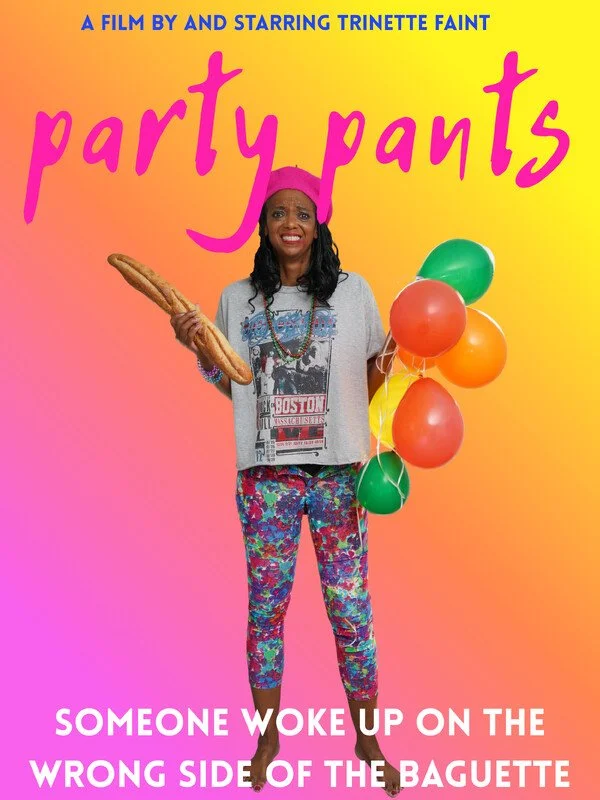
Beneath the comedy, Party Pants explores aging, identity, menopause, marriage, and self-worth. Why was humor the right vehicle for tackling such deeply personal subjects?
Some of my friends are in the same boat as Fiona - becoming empty nesters, going through menopause, questioning relationships, etc. It’s a natural evolution of how things change and how we adapt. In my view, humor was the only way to talk about these topics. I think initially Fiona's state of mind is funny, until some real truths are revealed that aren’t so funny. We watch comedies because we want to escape and be entertained, and it’s a wonderful way to start a conversation about more serious topics.
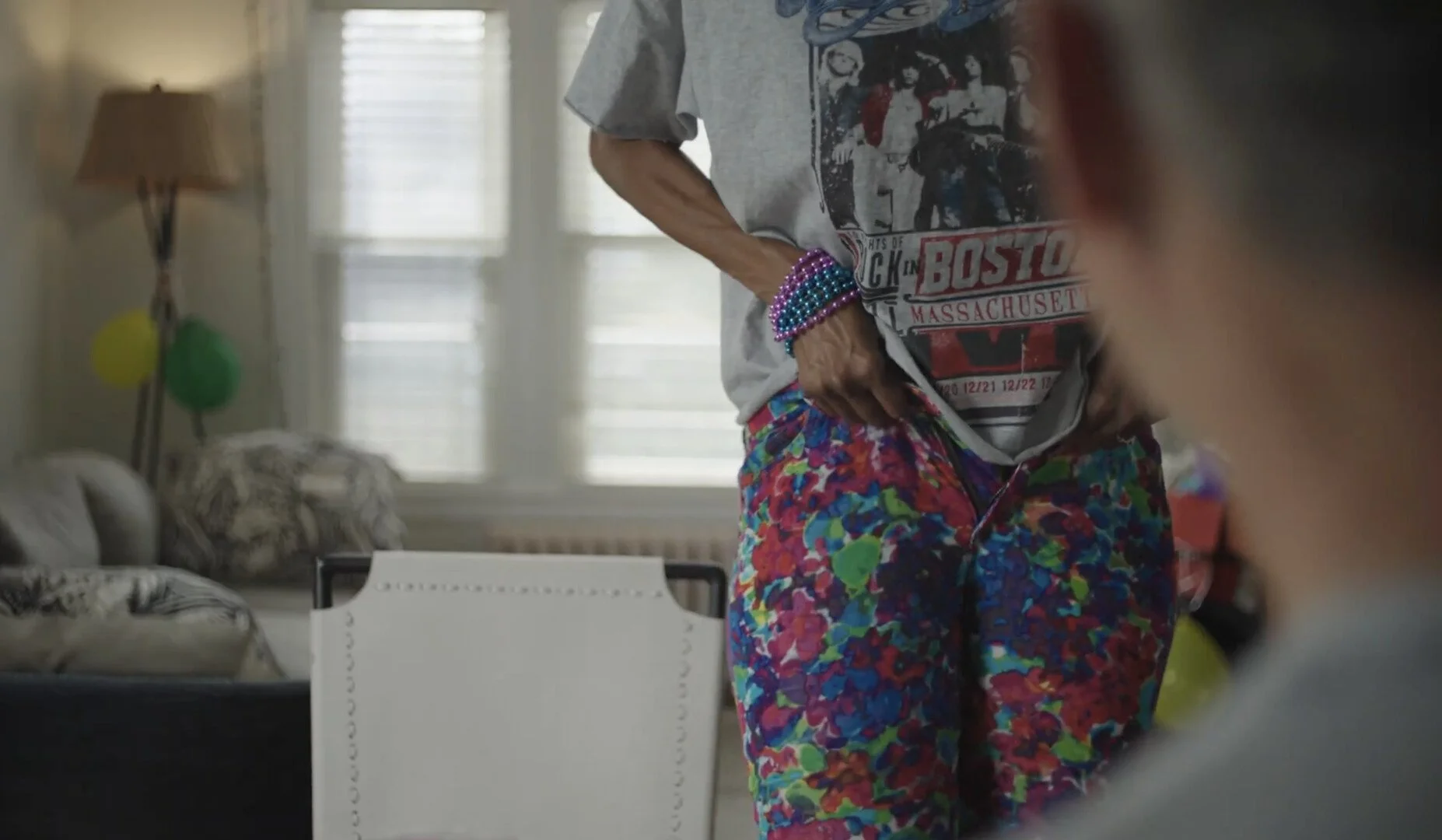
Menopause is still surprisingly underrepresented on screen, especially in comedy. Did you feel you were filling a gap in how women in their fifties are portrayed in film?
If there was any gap I was filling it was the fact that Fiona is Black. My POV as a writer is to place Black women at the center of stories, where they are living as abundantly and unapologetically as anyone else. Women are expected to always be put together and ageless, when that’s just not reality. I didn’t set out to fill a gap around menopausal storytelling, per se, but rather to write an interesting role for me to play, that spoke to genX women.
You wrote, co-directed, produced, and starred in Party Pants. Which of those roles proved the most challenging to juggle?
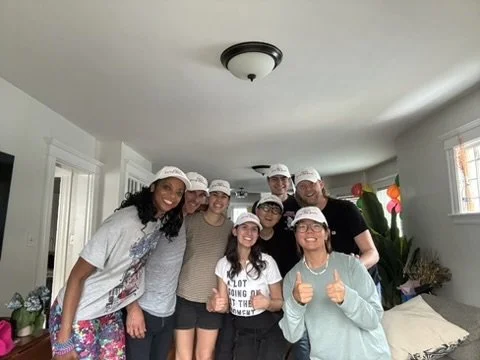
Producing, by far. Writing and acting were fairly “easy,” but producing was a bit of a beast. We had a limited window in which to shoot, and I began looking for crew last summer while I was in France for a few weeks. I self-financed it and we shot it in my home to keep costs down. I enjoyed every moment of pulling it together, but it was a lot of work, and financially challenging. My DP was my co-director, so it was wonderful to have her support and I learned so much from her.
As both an entrepreneur and filmmaker, how do you balance building a business with protecting your creative voice?
My creative voice is always my priority as it’s who I am at the end of the day. Not to say my business isn’t important, but I am a storyteller at heart, so I’m always working on sharpening my skills to enhance my creative voice.
In future projects, do you plan to explore similar genre intersections, or are there other genres you're eager to explore ?
In addition to the aforementioned screenplays I’d written before Party Pants, I’ve since written a romcom feature called Shotgun and a dramatic coming-of-age feature called The Ghost of My Father. Both are very different in tone and I’m equally excited to bring them to life. They are currently being read by interested producers, and The Ghost of My Father was recently accepted into a BAFTA and Oscar qualifying film festival. So I am confident both projects move forward in the near future. (Visit floor51productions.com to learn more about them.)
If you could sum up the film’s core question in a single sentence that would make someone want to watch it immediately, what would it be?
It’s never about the pants.