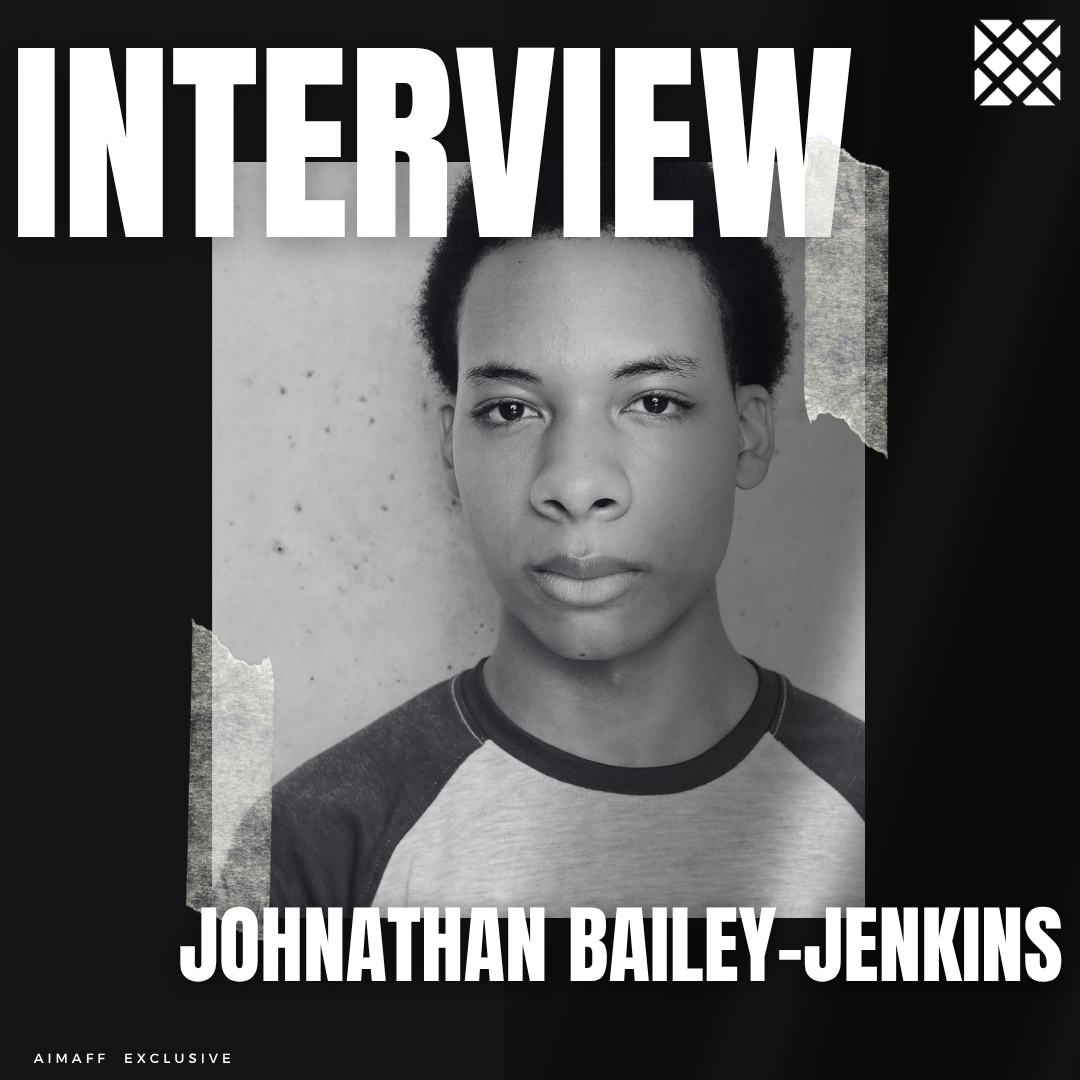
Johnathan Bailey-Jenkins: Holding On, Moving On
Welcome Johnathan, we are very excited to have you today with us to discuss about your work.
Who is Johnathan Bailey-Jenkins and how did the passion for creating begin?
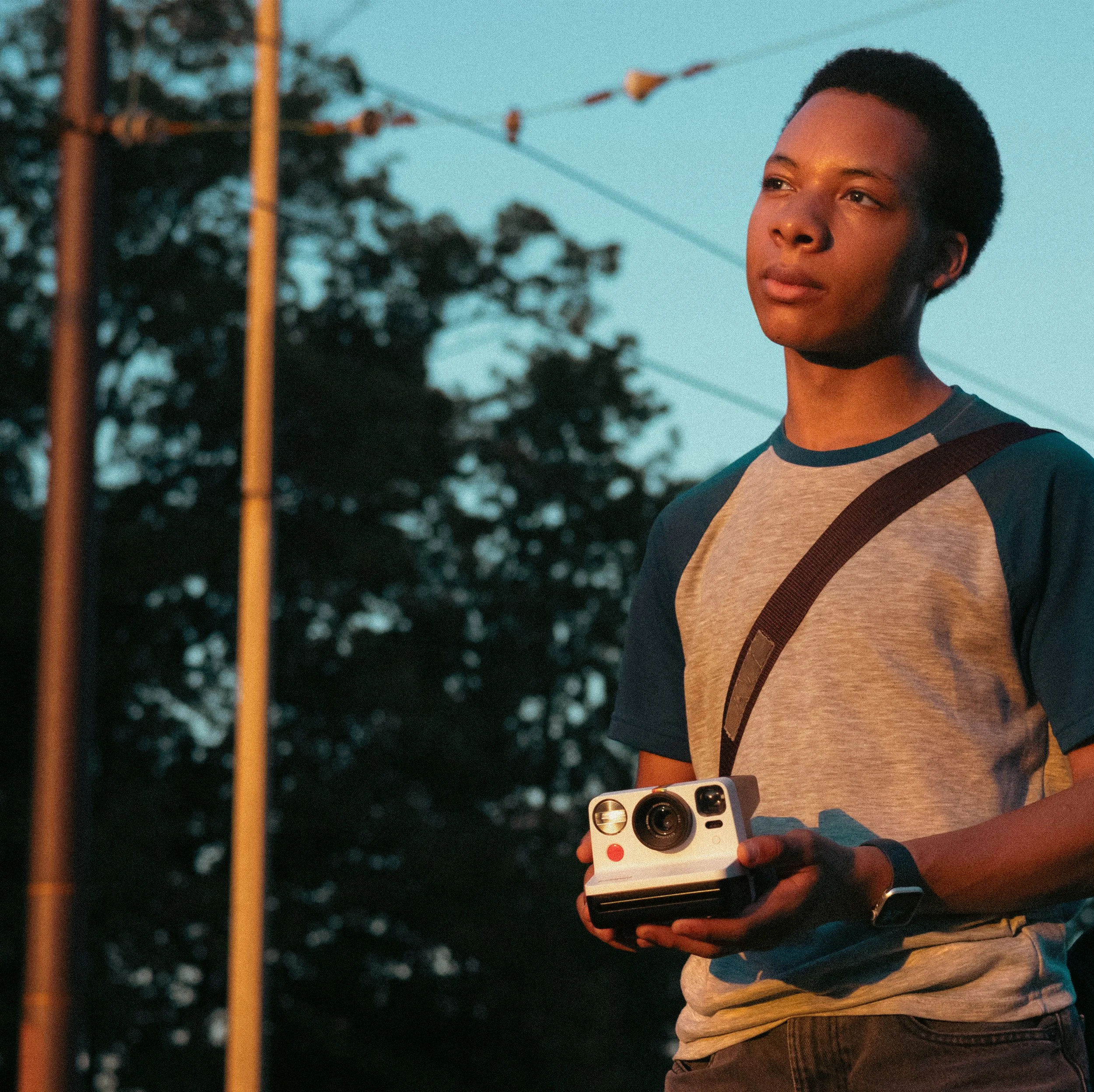
Well, I'm an artist! I'm a filmmaker, actor, and photographer from Cleveland, Ohio. My creative journey began with photography, specifically shooting on Polaroid. I fell in love with the tactile feel of them and the idea that a single image could tell an entire story. From there, my passion naturally grew into filmmaking, where I realized I could tell even bigger stories through moving images, and later into acting, which gave me a deeper appreciation for experiencing stories from a character's perspective. No matter the medium, I've always been drawn to creating work that connects with people. Each art form has shaped the way I see and interact with the world, and ultimately the kinds of stories I want to tell.
Moving On is your debut short film. What was the first spark, the image, emotion, memory, or personal experience, that made you realise this was the story you wanted to tell first?
I took a lot of inspiration from my own life. At the time I was preparing to leave my hometown to attend college in Savannah, Georgia, I was experiencing a mix of excitement, fear, and uncertainty. While the story is personal to me, I think it's something almost everyone can relate to, whether it's moving away from home, starting a new job, or simply beginning a new chapter in life.
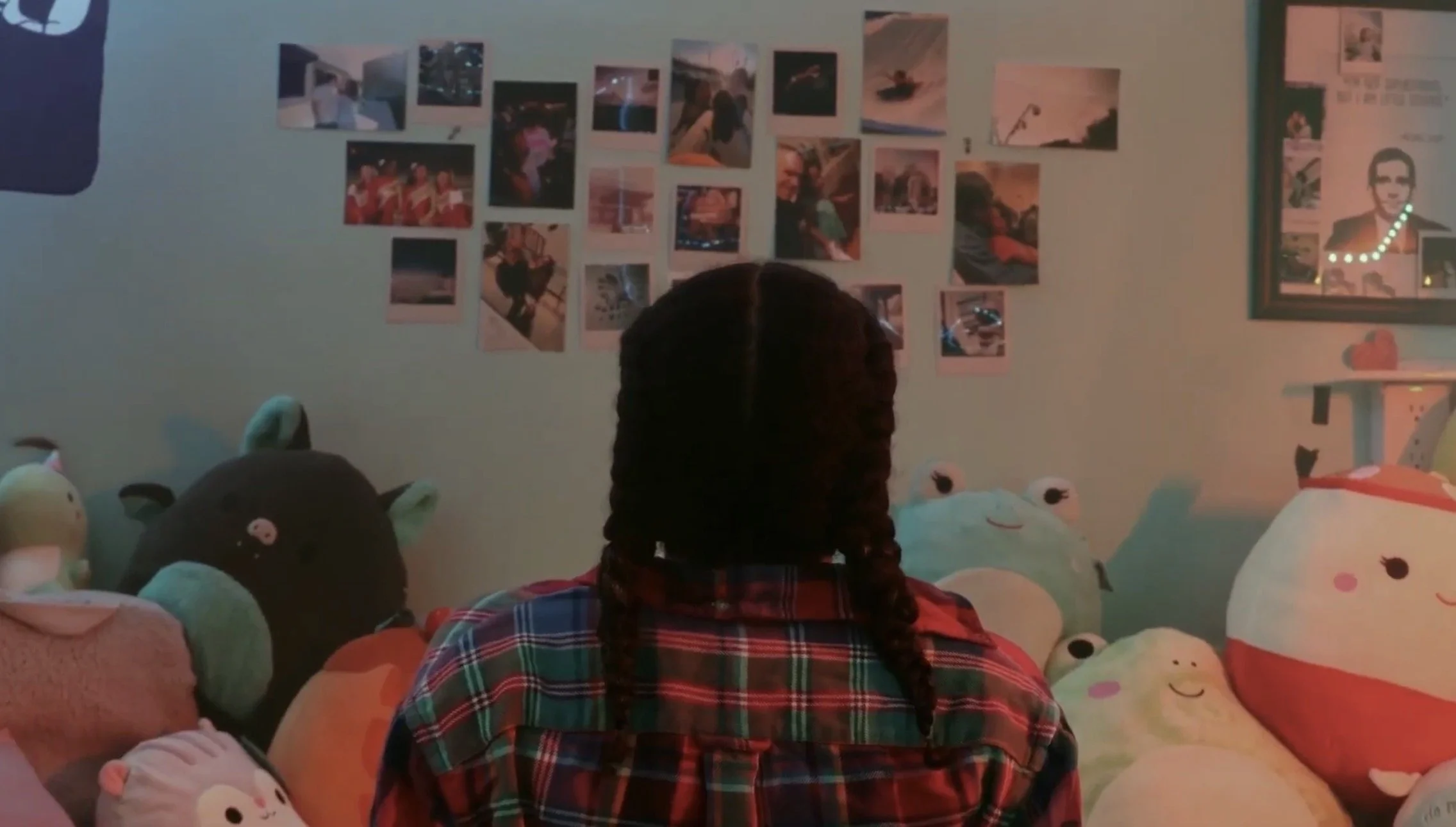
Visually, I drew a lot of inspiration from the video game Life Is Strange, especially its use of color, atmosphere, and quiet, reflective moments. One scene that particularly influenced me was when Bahji's character looks at her wall of photographs. I wanted that moment to capture the same sense of nostalgia and reflection that I felt while playing the game. Ultimately, I wanted to create a film that reminds people it's okay to feel attached to the past while still finding the courage to move forward.
Why did you choose an artist as your protagonist? Was there something about the creative mind that felt particularly suited to exploring change and uncertainty?
As an artist myself, it felt natural for the protagonist to be one too. I spend a lot of time daydreaming, and I’m also a very visual thinker, and I think that a lot of artists experience the world that way too. We often process our emotions through the things we create. Having an artist as the main character made it easier to explore change and uncertainty because creativity can become both a comfort and a way of holding onto the past.
CONVERSATION ABOUT: ‘‘MOVING ON’’
Nostalgia can be comforting, but it can also prevent us from moving forward. Were you interested in exploring that darker, more complicated side of nostalgia?
Definitely! I think nostalgia is beautiful because it allows us to reconnect with important moments in our lives, but it can also become something we hold onto too tightly. Sometimes we become so focused on recreating or returning to the past that we forget to appreciate where we are in the present.
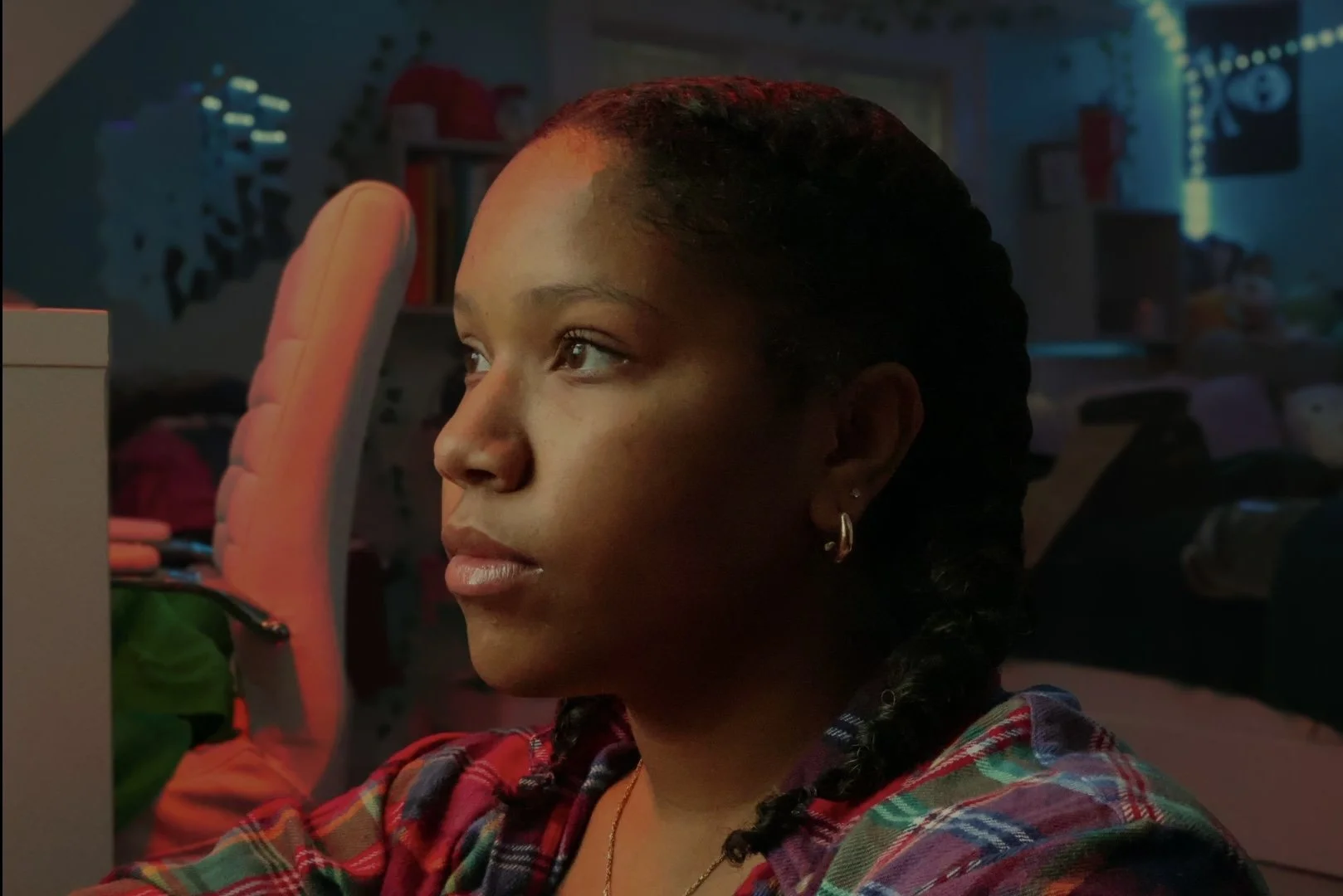
One of my favorite films, The Butterfly Effect, inspired my interest in exploring how memories and the past can shape the way we view our lives. While Moving On tells a very different story, I was drawn to the idea of how powerful our memories can be and how they influence our choices and emotions. I wanted to explore the quieter, more personal side of that idea. The film isn't about forgetting the past; it's about learning how to carry those memories with you without allowing them to prevent you from growing. You can see this through Bahji's character when she chooses to take her most valuable photographs with her. She isn't leaving her memories behind; she's learning how to bring them with her into a new chapter of her life.
What did you want audiences to understand about your protagonist without having her explicitly explain what she is feeling?
I wanted audiences to understand that she was conflicted. She isn't just sad, she's afraid of letting go because moving forward feels like leaving a part of herself behind. Instead of explaining those emotions through dialogue, I wanted people to understand them through her expressions, her actions, and the atmosphere around her.
I love when films leave certain things open to interpretation because every viewer brings their own experiences and emotions into what they watch. Someone who has experienced a major change in their life might connect with the film differently than someone who has experienced a different kind of loss or transition. I wanted Moving On to give audiences that same opportunity to find their own meaning within the story.
As an actor yourself, how did your experience in front of the camera shape the way you communicated with and directed your performers?
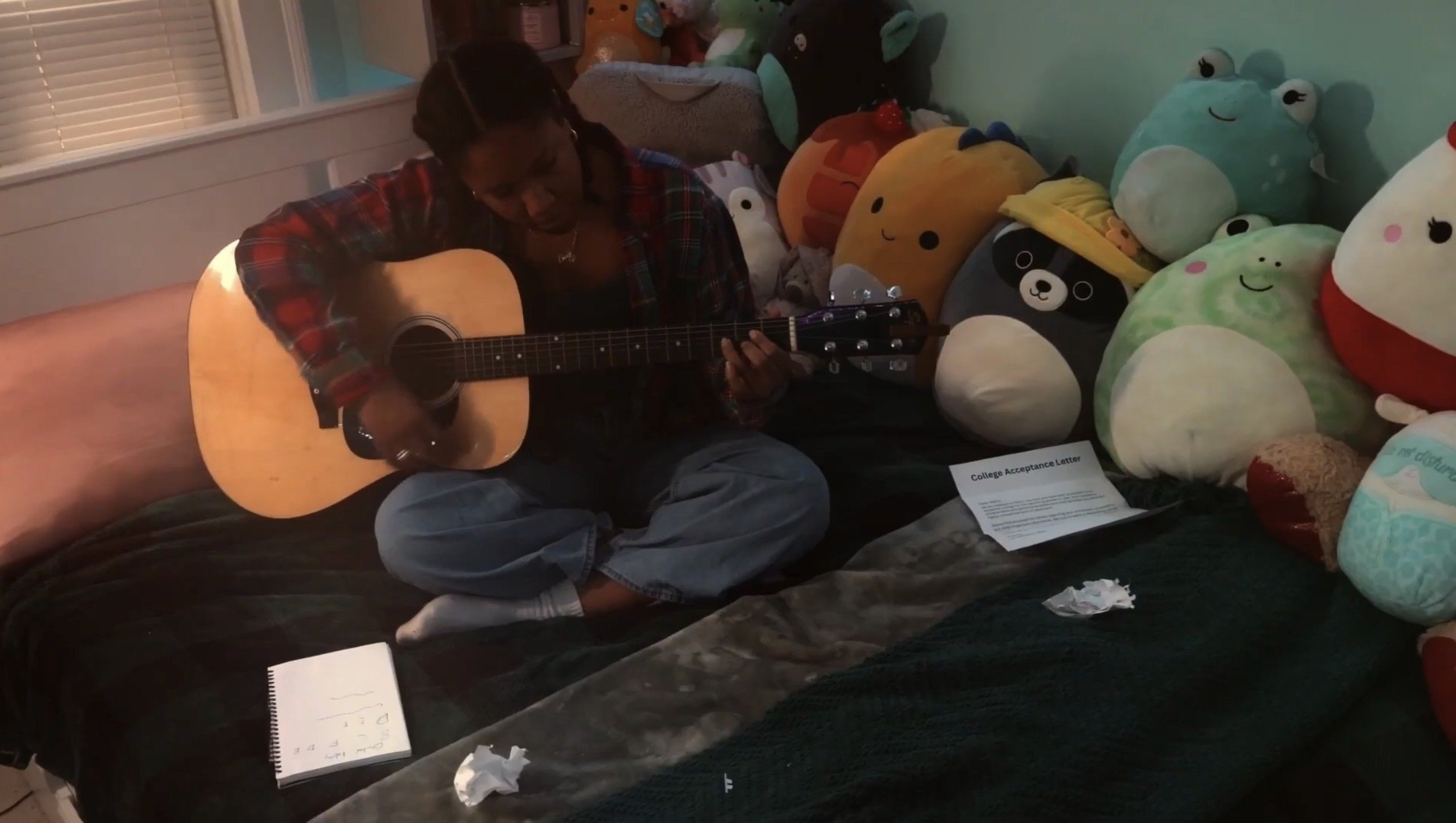
I used a lot of what I've learned from my acting coaches while directing. Since the cast and crew were just me and Bahji, the process became very collaborative. We were constantly sharing ideas, experimenting with different approaches, and just seeing what felt right. Being an actor also helped me understand how vulnerable performing can be, so I wanted to create an environment where ideas could be explored without pressure. I also wanted Bahji to feel comfortable bringing her own perspective to the character, because some of the best performances come from collaboration and trust between the actor and director.
Why was Moving On the right story to introduce yourself as a filmmaker?
Moving On is about beginning a new chapter, and in many ways that's exactly what this film represents for me. It's my debut short film, so it's also the beginning of my journey as a filmmaker. I wanted my first film to reflect the kinds of stories I'm passionate about telling, stories driven by visuals, and characters that audiences can see themselves in.
In future projects, do you plan to explore similar genre intersections, or are there other genres you're eager to explore ?
I definitely want to continue making emotionally driven films, but I'm also excited to explore different genres. Psychological thrillers and horror are genres that really interest me because they can explore human emotion in unique ways. I also just enjoy watching them. But no matter the genre, I always want my films to have strong visual storytelling and characters that feel real. I hope every project challenges me creatively while still leaving audiences with something to think about.
If you could sum up the film’s core question in a single sentence that would make someone want to watch it immediately, what would it be?
How do you move forward when the memories you're holding onto are the very thing keeping you in the past?